Alcohol Use Disorder (AUD) is a medical condition characterised by an inability to control or stop alcohol consumption despite negative consequences. This chronic condition affects millions of people across the UK and encompasses what was previously known as alcohol abuse, alcohol dependence, and alcoholism. The disorder exists on a spectrum ranging from mild to severe, with each stage presenting distinct challenges and health implications.
The stages of alcoholism typically progress from early-stage problem drinking through middle-stage dependency to late-stage chronic alcoholism. Physical dependence occurs when the body adapts to regular alcohol consumption, requiring increasing amounts to achieve the same effects and experiencing withdrawal symptoms when alcohol is unavailable. Psychological dependence involves the emotional and mental reliance on alcohol to cope with daily stressors, social situations, or underlying mental health conditions.
The impact on daily life and relationships can be profound, affecting work performance, family dynamics, social connections, and overall quality of life. Individuals may experience deteriorating relationships, financial difficulties, legal problems, and a gradual erosion of their support systems as the disorder progresses.
Physical symptoms of alcohol use disorder can manifest in various ways, depending on the severity and duration of alcohol consumption. Common physical indicators include:
Behavioural changes often become apparent as the disorder develops. These may include increased secrecy about drinking habits, neglecting responsibilities, drinking alone or at inappropriate times, and making excuses for alcohol consumption. Social withdrawal, mood swings, and aggressive behaviour are also common indicators.
Withdrawal symptoms occur when alcohol consumption is reduced or stopped abruptly. These can range from mild anxiety and irritability to severe complications such as tremors, sweating, nausea, hallucinations, and in extreme cases, life-threatening seizures. The severity of withdrawal symptoms often correlates with the extent of physical dependence.
Long-term health consequences of untreated alcoholism are extensive and can affect virtually every organ system. These include liver disease, cardiovascular problems, neurological damage, increased cancer risk, immune system suppression, and mental health deterioration including depression and anxiety disorders.
Genetic predisposition plays a significant role in alcohol use disorder, with research indicating that genetics account for approximately 40-60% of the risk. Individuals with a family history of alcoholism are at substantially higher risk of developing the condition themselves, though genetic predisposition does not guarantee the development of the disorder.
Environmental factors contribute significantly to alcohol use disorder risk. These include early exposure to alcohol, cultural attitudes towards drinking, peer pressure, and availability of alcohol. In the UK, the widespread social acceptance of alcohol consumption and its integration into many social activities can create environments that facilitate problematic drinking patterns.
Mental health conditions frequently co-occur with alcohol use disorder. Depression, anxiety, post-traumatic stress disorder, and bipolar disorder can increase vulnerability to developing alcohol dependency. Many individuals use alcohol as a form of self-medication to cope with untreated mental health symptoms, creating a cycle that exacerbates both conditions.
Social influences encompass various factors including socioeconomic status, education level, employment situation, and social support networks. Stressful life events, trauma, relationship problems, and social isolation can all contribute to increased risk of developing alcohol use disorder.
The NHS provides access to several evidence-based medications for treating alcohol dependency as part of comprehensive treatment programmes. These medications are typically prescribed by specialists in addiction medicine, psychiatrists, or GPs with appropriate training. Medication-assisted treatment is most effective when combined with psychological support, counselling, and social interventions. The three primary medications approved for alcohol dependency treatment in the UK are naltrexone, acamprosate, and disulfiram, each working through different mechanisms to support recovery.
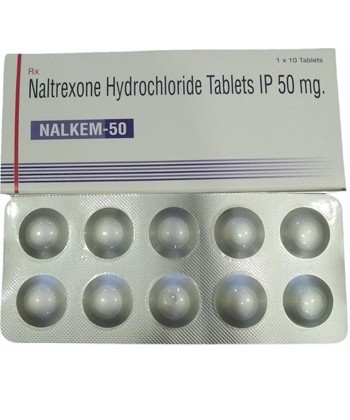
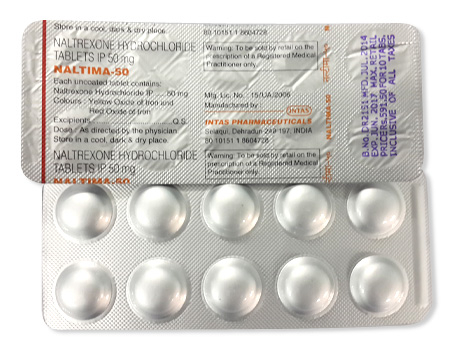
Naltrexone works by blocking opioid receptors in the brain that are involved in the rewarding effects of alcohol consumption. By blocking these receptors, naltrexone significantly reduces alcohol cravings and the pleasurable sensations associated with drinking. This mechanism helps individuals maintain abstinence or reduce their alcohol consumption by diminishing the reinforcing effects of alcohol.
The typical dosage of naltrexone is 50mg taken once daily, usually in the morning. Some patients may require dosage adjustments based on their response to treatment and any side effects experienced. The medication is most effective when taken consistently as part of a structured treatment programme.
Effectiveness rates for naltrexone are encouraging, with clinical studies showing that it can reduce heavy drinking days by approximately 25-30% and increase abstinence rates when compared to placebo treatments. The medication is particularly beneficial for individuals who experience strong cravings and have difficulty maintaining abstinence through willpower alone. Success rates improve significantly when naltrexone is combined with behavioural therapy and ongoing support.
Acamprosate works through a different mechanism of action, targeting brain chemistry imbalances that occur during alcohol withdrawal and early recovery. The medication helps stabilise the brain's neurotransmitter systems, particularly glutamate and GABA, which become disrupted through chronic alcohol use. By restoring this chemical balance, acamprosate helps reduce the physical and emotional discomfort associated with abstinence.
The primary benefit of acamprosate is helping individuals maintain abstinence once they have stopped drinking. Unlike some other medications, acamprosate does not reduce cravings but rather addresses the underlying neurochemical changes that make sustained abstinence difficult. This makes it particularly valuable for individuals who have achieved initial sobriety but struggle with maintaining long-term abstinence.
Common side effects of acamprosate are generally mild and may include diarrhoea, nausea, and abdominal discomfort. These effects typically diminish over time as the body adjusts to the medication. Treatment duration with acamprosate is usually recommended for six months to one year, though some individuals may benefit from longer-term treatment depending on their specific circumstances and response to therapy.
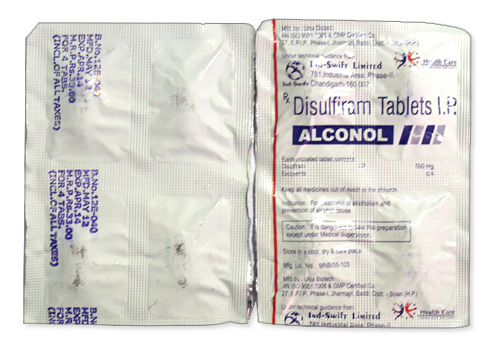
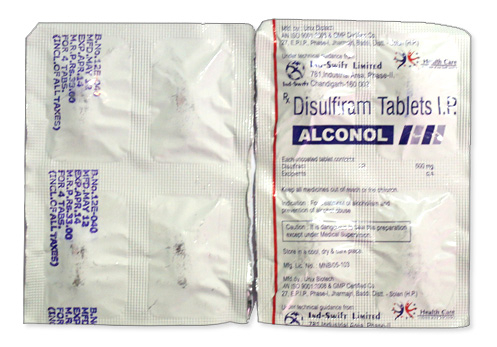
Disulfiram is a prescription medication that serves as an effective deterrent for alcohol consumption in individuals committed to maintaining sobriety. This medication works by blocking the enzyme acetaldehyde dehydrogenase, which is essential for the normal metabolism of alcohol in the body.
When alcohol is consumed whilst taking disulfiram, the medication causes a severe and unpleasant reaction known as the disulfiram-ethanol reaction. This occurs because alcohol cannot be properly metabolised, leading to a dangerous accumulation of acetaldehyde in the bloodstream. The resulting symptoms are deliberately uncomfortable and serve as a powerful psychological deterrent against drinking.
Disulfiram treatment requires careful medical supervision and monitoring. Patients must undergo regular check-ups to assess liver function, as the medication can affect hepatic enzymes. Healthcare providers will also monitor for any adverse reactions and ensure the patient understands the serious consequences of consuming alcohol whilst on this treatment. The medication should only be initiated when the patient has been alcohol-free for at least 12 hours.
Several important contraindications must be considered before prescribing disulfiram:
Nalmefene represents a targeted approach to alcohol reduction therapy, designed specifically for patients who wish to reduce their alcohol consumption rather than achieve complete abstinence. This medication offers a flexible treatment option that aligns with harm reduction principles.
The primary objective of nalmefene treatment is to significantly reduce the number of heavy drinking days experienced by patients. Clinical studies have demonstrated that nalmefene can effectively decrease both the quantity of alcohol consumed and the frequency of heavy drinking episodes. The medication works by modulating the brain's reward system, reducing the pleasurable effects associated with alcohol consumption.
Unlike abstinence-focused treatments, nalmefene employs a targeted reduction strategy that allows patients to maintain some level of alcohol consumption whilst working towards healthier drinking patterns. This approach can be particularly beneficial for individuals who are not ready for complete abstinence but recognise the need to reduce their alcohol intake. The medication is taken on an as-needed basis, typically 1-2 hours before anticipated drinking occasions.
Careful patient selection is crucial for the success of nalmefene treatment. Suitable candidates typically include adults with alcohol dependence who continue to have high drinking risk levels after an initial clinical assessment and who do not require immediate detoxification. Patients should demonstrate a genuine motivation to reduce their alcohol consumption and be capable of adhering to the prescribed treatment regimen.
Medical detoxification is often the first crucial step in alcohol addiction treatment, providing a safe and supervised environment for individuals to withdraw from alcohol. This process involves comprehensive medical monitoring and support to manage the potentially dangerous symptoms that can occur during alcohol withdrawal.
Supervised withdrawal ensures patient safety whilst the body eliminates alcohol and begins to readjust to functioning without it. Healthcare professionals closely monitor vital signs, neurological status, and overall physical condition throughout the detoxification period. Medications may be prescribed to alleviate withdrawal symptoms and prevent complications such as seizures or delirium tremens.
Timeline expectations for medical detox typically range from 3-7 days, though this can vary significantly depending on individual factors such as the severity of alcohol dependence, overall health status, and previous withdrawal experiences. The acute withdrawal phase usually peaks within 24-72 hours after the last drink, with symptoms gradually subsiding thereafter.
Nutritional support plays a vital role in alcohol detoxification and recovery, as chronic alcohol use often leads to significant vitamin and mineral deficiencies that require targeted supplementation.
Thiamine supplementation is critically important during alcohol detoxification to prevent serious neurological complications such as Wernicke's encephalopathy and Korsakoff's syndrome. Chronic alcohol consumption significantly depletes thiamine stores, and the rapid metabolism during detox can precipitate severe neurological damage if not properly addressed. High-dose thiamine is typically administered both during and after the acute detoxification phase.
Folic acid supplementation is essential as alcohol interferes with folate absorption and metabolism, leading to megaloblastic anaemia and other complications. Vitamin B complex provides comprehensive support for the nervous system and helps restore normal metabolic function. Magnesium supplementation is particularly important as deficiency is common in alcohol-dependent individuals and can contribute to seizures, muscle cramps, and cardiac arrhythmias during withdrawal.
Professional therapeutic interventions play a crucial role in addressing alcoholism. Cognitive behavioural therapy (CBT) helps individuals identify and change harmful thought patterns and behaviours associated with drinking. Motivational interviewing techniques enhance personal motivation for change, whilst group therapy provides peer support and shared experiences. Family therapy addresses relationship dynamics and helps rebuild trust within the family unit.
Peer support programmes offer invaluable assistance throughout recovery. Alcoholics Anonymous provides a well-established 12-step programme available across the UK. SMART Recovery offers an alternative approach focusing on self-management and motivation. Online support communities provide accessible help, particularly beneficial for those in remote areas or with mobility constraints. These networks create accountability and understanding amongst individuals facing similar challenges.
Comprehensive lifestyle changes support long-term recovery success. Effective stress management techniques, regular physical exercise, and proper nutrition help restore physical and mental wellbeing. Maintaining good sleep hygiene patterns aids recovery, whilst developing trigger avoidance strategies helps prevent relapse situations.
The NHS provides comprehensive alcoholism support through multiple pathways. Begin with a GP consultation to discuss concerns and treatment options. Your doctor can refer you to specialist alcohol services, including community alcohol teams that offer localised support. For severe cases, residential treatment programmes may be recommended. NHS services are free at the point of care and include:
Private clinics and rehabilitation centres offer alternative treatment pathways with potentially shorter waiting times. These facilities often provide intensive programmes and luxury amenities. Costs vary significantly, ranging from hundreds to thousands of pounds weekly. Some private health insurance policies may cover treatment, though coverage varies considerably between providers.
Crisis situations require immediate intervention. Contact emergency services (999) for severe withdrawal symptoms, alcohol poisoning, or suicidal thoughts. Specialist helplines like Drinkline (0300 123 1110) provide 24-hour confidential support and guidance.
Successful recovery requires long-term planning and commitment. Regular monitoring through healthcare providers helps track progress and adjust treatment plans. Relapse prevention strategies and family involvement create comprehensive support systems essential for sustained recovery.