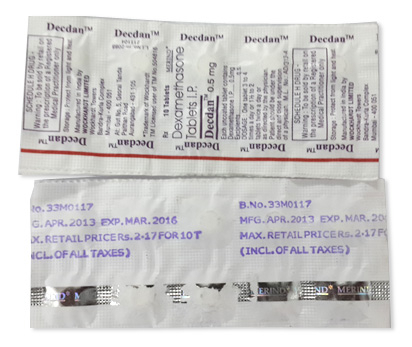
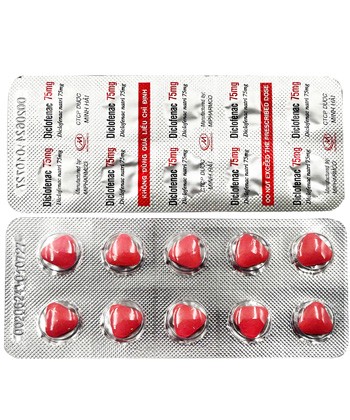
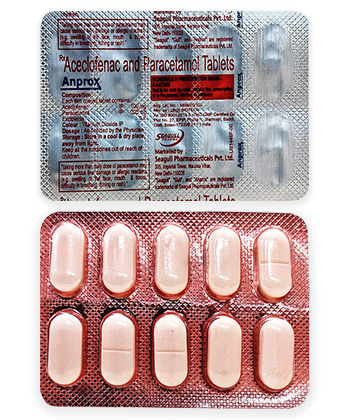
Analgesics, commonly known as painkillers, are medications specifically designed to reduce or eliminate pain without causing loss of consciousness. These essential medicines work by interfering with pain signals in the nervous system, providing relief from various types of discomfort ranging from mild headaches to severe chronic conditions.
Pain relief medications fall into three primary categories, each working through different mechanisms:
Different analgesics target various pathways in the body's pain response system. Non-opioid medications typically work by reducing inflammation at the site of injury or blocking pain signals before they reach the brain. Opioids bind to specific receptors in the brain and spinal cord, altering how pain is perceived.
Choosing the appropriate analgesic depends on several factors including pain severity, duration, underlying cause, and individual medical history. Always follow dosage instructions carefully and consult with a pharmacist or healthcare provider before combining different pain relief medications. Consider any existing medical conditions, current medications, and potential allergies when selecting pain relief options.
Paracetamol remains the first-choice analgesic for mild to moderate pain and fever reduction. Adults can safely take up to 1,000mg every four to six hours, with a maximum daily dose of 4,000mg. This medication is particularly suitable during pregnancy and for those who cannot tolerate NSAIDs. However, exceeding recommended doses can cause serious liver damage.
Ibuprofen effectively reduces both pain and inflammation, making it ideal for conditions such as sprains, strains, and arthritis. The standard adult dose ranges from 200-400mg every four to six hours, not exceeding 1,200mg daily without medical supervision. Naproxen offers longer-lasting relief, typically requiring only twice-daily dosing, making it suitable for chronic conditions.
Beyond pain relief, aspirin provides anti-inflammatory benefits and cardiovascular protection when used long-term at low doses. Standard pain relief dosing involves 300-600mg every four hours, with a maximum of 4,000mg daily.
Children's dosing must be calculated based on age and weight, with specific formulations available. Never give aspirin to children under 16 due to Reye's syndrome risk. Elderly patients require careful monitoring and often reduced doses due to increased sensitivity and potential drug interactions.
Common contraindications include:
When over-the-counter analgesics aren't sufficient, prescription pain medications offer stronger relief for moderate to severe pain conditions. These medicines are carefully regulated in the UK and require proper medical supervision to ensure safe and effective treatment.
Codeine remains one of the most commonly prescribed mild opioids in the UK, often combined with paracetamol or ibuprofen for enhanced pain relief. Co-codamol and co-dydramol are frequently prescribed combinations that provide effective treatment for conditions such as dental pain, post-operative discomfort, and chronic musculoskeletal conditions.
For more severe pain, healthcare providers may prescribe tramadol, which works differently from traditional opioids and can be particularly effective for neuropathic pain. Strong opioids including morphine, oxycodone, and fentanyl are reserved for severe pain conditions such as cancer pain or major trauma, and require specialist monitoring.
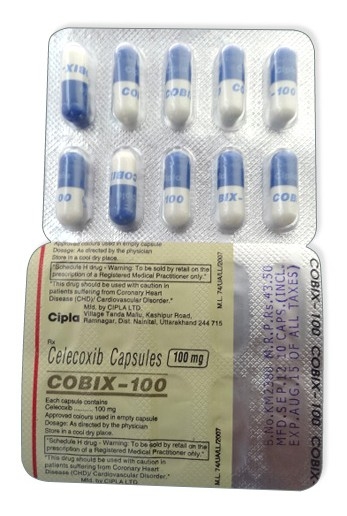
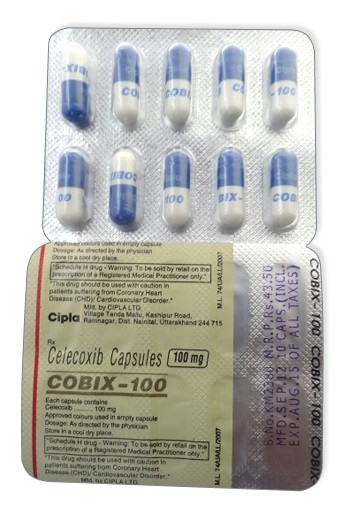
Prescription NSAIDs like diclofenac, naproxen, and celecoxib offer anti-inflammatory benefits beyond basic pain relief, making them valuable for conditions involving inflammation such as arthritis or injury-related swelling.
Muscle relaxants such as baclofen or tizanidine help manage pain associated with muscle spasms, whilst topical prescription analgesics provide localised relief with minimal systemic effects.
Working with healthcare providers ensures appropriate pain management through:
Prescription analgesics require careful handling and should always be used exactly as directed by your healthcare provider to maximise benefits whilst minimising risks.
Topical non-steroidal anti-inflammatory drugs offer targeted pain relief directly at the source of discomfort. Ibuprofen gel and diclofenac gel are particularly effective for treating localised muscle strains, joint pain, and sports injuries. These preparations deliver active ingredients through the skin to reduce inflammation and provide pain relief with minimal systemic absorption, making them suitable for those who may not tolerate oral NSAIDs well.
Capsaicin, derived from chilli peppers, works by depleting substance P, a neurotransmitter involved in pain signals. These products are particularly beneficial for treating neuropathic pain, including conditions such as diabetic neuropathy and post-herpetic neuralgia. Initial application may cause a warming or burning sensation, which typically diminishes with continued use as nerve endings become desensitised.
Menthol-based products provide immediate cooling relief through counter-irritation, which helps distract from underlying pain signals. These preparations are ideal for acute muscle strains, overexertion, and minor sports injuries. The cooling effect increases blood flow to the affected area, promoting natural healing whilst providing soothing relief.
Therapeutic heat patches offer sustained, controlled warmth that penetrates deep into tissues to relax muscles and improve circulation. These are particularly effective for chronic conditions such as arthritis, lower back pain, and muscle tension. Heat therapy helps reduce stiffness and promotes healing by increasing blood flow to the affected area.
Lidocaine provides local anaesthetic action by temporarily blocking nerve signals in the treated area. These products offer rapid relief for localised pain and are particularly useful for minor cuts, burns, insect bites, and superficial nerve pain. The numbing effect typically lasts several hours, providing sustained relief from discomfort.
Topical pain relief offers several advantages over oral medications, including targeted delivery to the affected area, reduced risk of systemic side effects, and the ability to combine with oral treatments when necessary. This approach is particularly beneficial for elderly patients or those taking multiple medications where drug interactions may be a concern.
Proper application ensures maximum effectiveness and safety. Clean and dry the affected area before applying a thin layer of gel or cream, rubbing gently until absorbed. Most topical preparations should be applied 3-4 times daily, though specific instructions vary by product. Always wash hands thoroughly after application unless treating the hands themselves.
Before first use, particularly with capsaicin or menthol-based products, conduct a small patch test on unaffected skin. Apply a small amount and wait 24 hours to check for adverse reactions. Discontinue use if redness, excessive irritation, or allergic reactions occur. Avoid application to broken or damaged skin unless specifically indicated.
For tension headaches, paracetamol or ibuprofen often provide effective relief. Migraine sufferers may benefit from early intervention with NSAIDs or specific anti-migraine preparations. Combination products containing paracetamol, aspirin, and caffeine can be particularly effective for both tension headaches and mild migraines. Consider timing of administration, as early treatment typically yields better results.
Acute muscle strains respond well to NSAIDs due to their anti-inflammatory properties, whilst chronic joint conditions may require a combination approach using both oral and topical treatments. Consider the location and nature of pain when selecting between ibuprofen, diclofenac, or aspirin. Topical preparations are excellent for localised pain without systemic effects.
Acute back pain often responds well to short-term NSAID use combined with appropriate movement and heat therapy. Chronic back pain may require a more comprehensive approach, potentially including regular low-dose anti-inflammatory medication, topical preparations, and heat patches. Paracetamol can be used continuously for chronic pain management with minimal side effects.
Dental pain typically responds well to ibuprofen due to its anti-inflammatory action, which addresses both pain and swelling. Paracetamol can be alternated with ibuprofen for severe pain, providing more consistent relief. Topical oral gels containing benzocaine or lidocaine offer temporary localised relief whilst awaiting dental treatment.
NSAIDs, particularly ibuprofen and naproxen, are highly effective for menstrual pain due to their ability to reduce prostaglandin production. Starting treatment before pain becomes severe provides better results. Heat patches or hot water bottles can complement oral medication for enhanced relief. Some women find alternating paracetamol with NSAIDs helpful for severe cramping.
Arthritis management often requires consistent, long-term treatment. Topical NSAIDs are excellent first-line treatments, particularly for hand and knee arthritis. Regular paracetamol use provides baseline pain control, whilst short courses of oral NSAIDs can address flare-ups. Heat therapy and capsaicin-based products may provide additional benefit for chronic symptoms.
Post-surgical pain management typically follows a stepped approach, beginning with regular paracetamol and adding NSAIDs as appropriate. The combination provides effective pain control whilst minimising individual drug requirements. Topical preparations may be suitable for surface procedures, whilst more significant surgery may require stronger prescription analgesics initially, gradually transitioning to over-the-counter options.
NSAIDs can interact with several common medications, including warfarin and other anticoagulants, increasing bleeding risk. They may also reduce the effectiveness of blood pressure medications and interact with some diabetes medications. Aspirin should not be combined with other NSAIDs due to increased risk of side effects. Always consult your pharmacist about potential interactions with existing medications.
Certain health conditions require careful consideration when selecting analgesics. NSAIDs should be avoided or used with caution in people with kidney disease, heart conditions, or stomach ulcers. Those with liver disease should limit paracetamol use. Aspirin is contraindicated in children under 16 due to Reye's syndrome risk. People with asthma may be sensitive to aspirin and some NSAIDs.
Paracetamol is generally considered safe during pregnancy and breastfeeding when used as directed. Aspirin should be avoided during pregnancy, particularly in the third trimester. Ibuprofen can be used whilst breastfeeding but should be avoided during pregnancy, especially after 30 weeks. Always consult with a healthcare professional before using any medication during pregnancy or whilst breastfeeding.
Combining alcohol with analgesics increases the risk of side effects. Paracetamol and alcohol together can cause liver damage, particularly with regular use or in those who drink heavily. NSAIDs combined with alcohol increase the risk of stomach irritation and bleeding. If you regularly consume alcohol, consult your pharmacist about appropriate pain relief options and safe usage guidelines.
Overuse of pain relief medications can lead to rebound headaches and decreased effectiveness. Warning signs include needing to use analgesics more frequently than recommended, requiring increasing doses for the same effect, or experiencing withdrawal symptoms when stopping. Regular daily use for more than three consecutive days for acute conditions warrants professional advice.
Seek immediate medical help for severe allergic reactions including difficulty breathing, swelling of face or throat, or severe skin reactions. Signs of overdose such as nausea, vomiting, confusion, or unusual drowsiness require urgent treatment. Severe stomach pain, black stools, or vomiting blood whilst taking NSAIDs may indicate serious complications requiring immediate medical attention.
Store all analgesics in a cool, dry place away from direct sunlight and out of reach of children. Check expiry dates regularly and dispose of expired medications safely through pharmacy return schemes. Heat patches and gels may be particularly sensitive to temperature extremes. Never use medications past their expiry date, as effectiveness may be reduced and safety cannot be guaranteed.