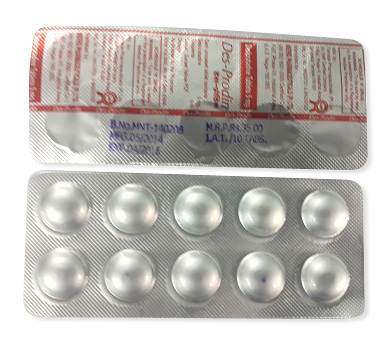
Allergic reactions occur when your immune system overreacts to substances that are normally harmless, known as allergens. When exposed to these triggers, your body releases histamine, a chemical that causes the characteristic symptoms of allergies including sneezing, itching, runny nose, watery eyes, and in severe cases, breathing difficulties or swelling.
Histamine plays a central role in allergic responses by binding to specific receptors throughout your body, particularly in the respiratory system, skin, and digestive tract. This binding process triggers the uncomfortable symptoms that can significantly impact your daily life and well-being.
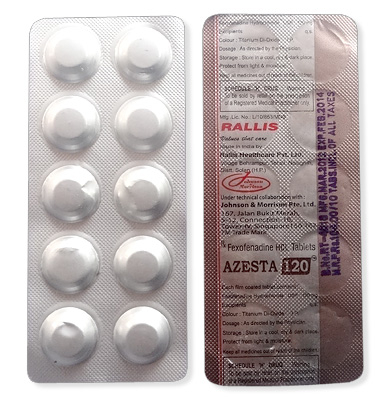
Antihistamines work by blocking histamine receptors, preventing the chemical from causing allergic symptoms. These medications can provide effective relief from both mild and moderate allergic reactions, helping you manage your symptoms and maintain your quality of life.
Seek immediate medical attention if you experience severe allergic reactions including difficulty breathing, rapid pulse, dizziness, or widespread swelling, as these may indicate anaphylaxis, a potentially life-threatening condition requiring emergency treatment.
First-generation antihistamines are the original class of allergy medications that effectively cross the blood-brain barrier, providing potent antihistamine effects alongside sedative properties. These medications work by blocking H1 histamine receptors throughout the body, offering comprehensive relief from allergic symptoms.
Chlorphenamine (Piriton) is widely used for treating hay fever, hives, and allergic skin conditions. It's particularly effective for acute allergic reactions and is available both over-the-counter and on prescription in various formulations including tablets, liquid, and injection.
Promethazine (Phenergan) offers dual benefits as both an antihistamine and anti-nausea medication. It's commonly prescribed for motion sickness, allergic reactions, and as a short-term sleep aid due to its pronounced sedative effects.
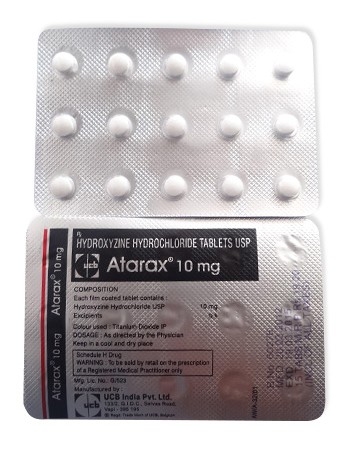
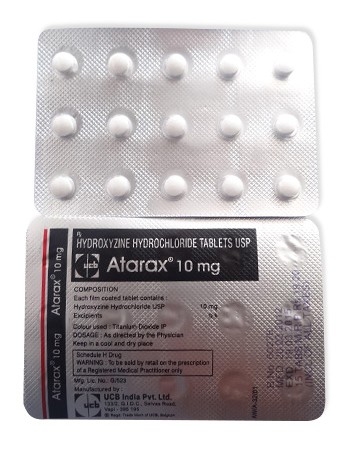
Hydroxyzine is primarily available on prescription and is often used for severe itching, anxiety-related conditions, and as a preoperative sedative. It provides longer-lasting relief compared to other first-generation antihistamines.
These medications are particularly useful for severe allergic reactions and sleep disorders, though they commonly cause drowsiness, dry mouth, and blurred vision. Adults typically take chlorphenamine 4mg every 4-6 hours, whilst promethazine doses range from 10-25mg depending on the condition being treated. Always follow dosing instructions carefully and avoid driving or operating machinery due to sedative effects.
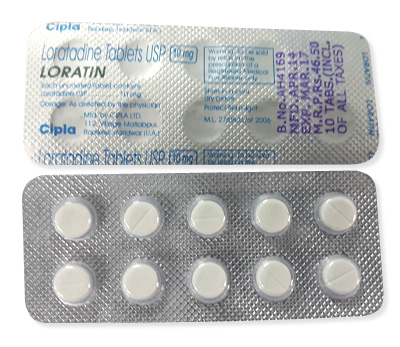
Second-generation antihistamines represent a significant advancement in allergy treatment, offering effective relief without the drowsiness commonly associated with older formulations. These modern medications work by selectively blocking histamine H1 receptors whilst having minimal effect on the central nervous system, making them ideal for daily use throughout allergy seasons.
Several trusted brands dominate the UK market, each offering reliable symptom control:
These medications excel in treating hay fever, pet allergies, dust mite reactions, and various skin allergies including chronic urticaria. Their long-lasting formulations typically provide 12-24 hour coverage, allowing once-daily dosing for most patients. Age-appropriate formulations ensure safe use across different demographics, with liquid preparations available for children and adjustable dosing based on age and weight requirements.
Topical antiallergic treatments provide targeted, localised relief for skin-related allergic reactions. These formulations deliver active ingredients directly to affected areas, offering rapid symptom control whilst minimising systemic exposure and potential side effects.
The UK market offers several effective topical options for various skin conditions:
These treatments effectively address insect bites, stings, contact dermatitis, and localised allergic skin reactions. Application methods vary by product type, with creams requiring gentle massage into affected areas 2-3 times daily, whilst lotions can be dabbed on without rubbing. Treatment duration typically ranges from several days to one week, depending on symptom severity. Topical treatments can often be safely combined with oral antihistamines for comprehensive allergy management, particularly during peak allergy seasons or severe reactions.
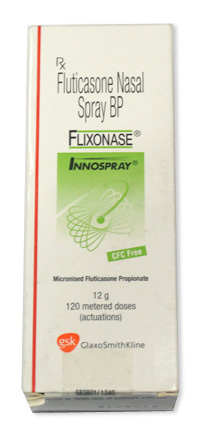
Nasal sprays and eye drops provide targeted, localised treatment for specific allergy symptoms, offering rapid relief directly where it's needed most. These topical preparations are particularly effective for hay fever sufferers experiencing nasal congestion, sneezing, itchy eyes, and watery discharge. By delivering medication directly to affected areas, these treatments can provide faster onset of action compared to oral medications whilst minimising systemic side effects.
Antihistamine nasal sprays work by blocking histamine receptors in the nasal passages, reducing inflammation and alleviating symptoms such as congestion, runny nose, and sneezing. Two primary antihistamine nasal sprays available in the UK include:
Azelastine is a potent antihistamine nasal spray that provides rapid relief from allergic rhinitis symptoms. It begins working within minutes and can provide up to 12 hours of protection. Azelastine is particularly effective for treating seasonal and perennial allergic rhinitis, offering both antihistamine and anti-inflammatory properties.
Levocabastine is another effective antihistamine nasal spray that provides fast-acting relief from nasal allergy symptoms. It's particularly useful for managing hay fever symptoms during peak pollen seasons and can be used as needed for symptom control.
Allergic conjunctivitis, characterised by red, itchy, and watery eyes, can be effectively treated with specialised eye drops designed to reduce inflammation and provide soothing relief:
Sodium cromoglicate eye drops work as a mast cell stabiliser, preventing the release of histamine and other inflammatory mediators. These drops are particularly effective for preventing allergic reactions and can be used regularly during allergy season for ongoing protection. They're suitable for adults and children and can be used long-term with minimal side effects.
Antazoline with xylometazoline combines an antihistamine (antazoline) with a decongestant (xylometazoline) to provide dual-action relief. This combination effectively reduces both the allergic response and associated swelling, providing comprehensive relief from red, itchy, and swollen eyes.
Correct administration is crucial for maximising the effectiveness of nasal sprays and eye drops. For nasal sprays, tilt your head slightly forward, insert the nozzle into one nostril whilst closing the other, and spray whilst breathing in gently. For eye drops, tilt your head back, pull down the lower eyelid to create a small pocket, and instil the recommended number of drops without touching the eye with the dropper tip.
Localised treatments offer several advantages over systemic medications, including faster onset of action, reduced risk of systemic side effects, and the ability to target specific symptoms precisely. These preparations are particularly beneficial for individuals who experience drowsiness with oral antihistamines or those who require immediate relief for acute symptoms.
When selecting antiallergic medications, it's essential to consider potential drug interactions and contraindications. Sedating antihistamines may enhance the effects of alcohol, sedatives, and certain antidepressants. Some antihistamines may interact with medications that affect heart rhythm or blood pressure. Always inform your pharmacist of all medications you're currently taking, including prescription medicines, over-the-counter treatments, and herbal supplements.
Different antiallergic medications have varying age restrictions and suitability for special populations. Many antihistamines are available in formulations specifically designed for children, whilst others are only suitable for adults. Elderly patients may require dose adjustments or alternative treatments due to increased sensitivity to certain medications and potential interactions with existing health conditions.
Pregnant and breastfeeding women require special consideration when choosing antiallergic treatments. Some antihistamines are considered safe during pregnancy, whilst others should be avoided. Topical treatments such as nasal sprays and eye drops are often preferred during pregnancy due to minimal systemic absorption. Always consult your pharmacist or GP before starting any new medication during pregnancy or whilst breastfeeding.
In some cases, combining different types of antiallergic medications may provide optimal symptom control. However, this should always be done under professional guidance to avoid duplication of active ingredients or potential interactions. Common combinations include:
Seek professional advice if symptoms persist despite appropriate treatment, if you experience side effects, or if you're unsure about which treatment is most suitable for your specific needs. Pharmacists can provide expert guidance on over-the-counter options, proper usage techniques, and potential interactions. Consult your GP if symptoms are severe, significantly impact your quality of life, or if you require prescription-strength treatments.
Severe allergic reactions (anaphylaxis) require immediate emergency medical attention. Seek urgent medical help if you experience difficulty breathing, swelling of the face, lips, tongue, or throat, rapid pulse, dizziness, or widespread skin reactions. These symptoms may indicate a life-threatening allergic reaction requiring immediate treatment with adrenaline and emergency medical care. Always call 999 or go to your nearest A&E department if you suspect anaphylaxis.