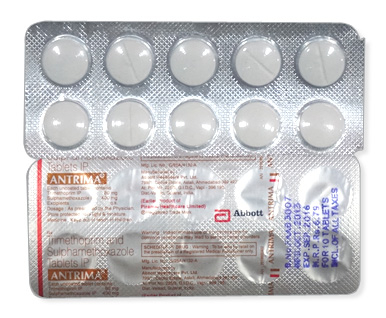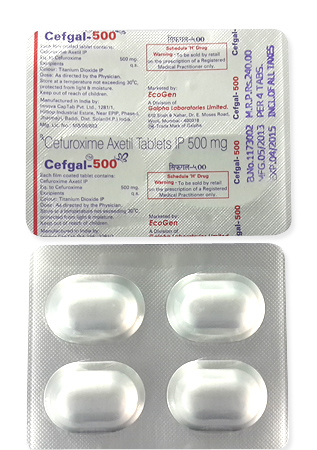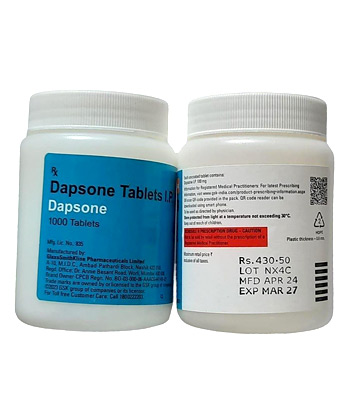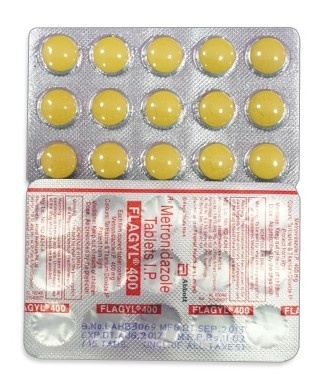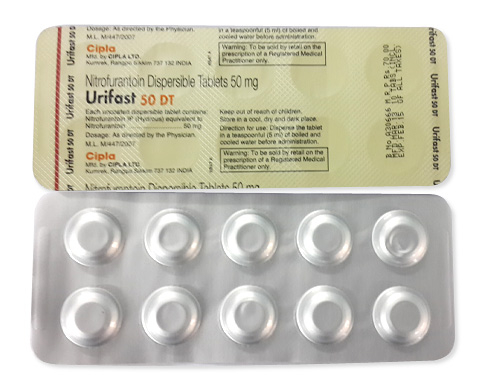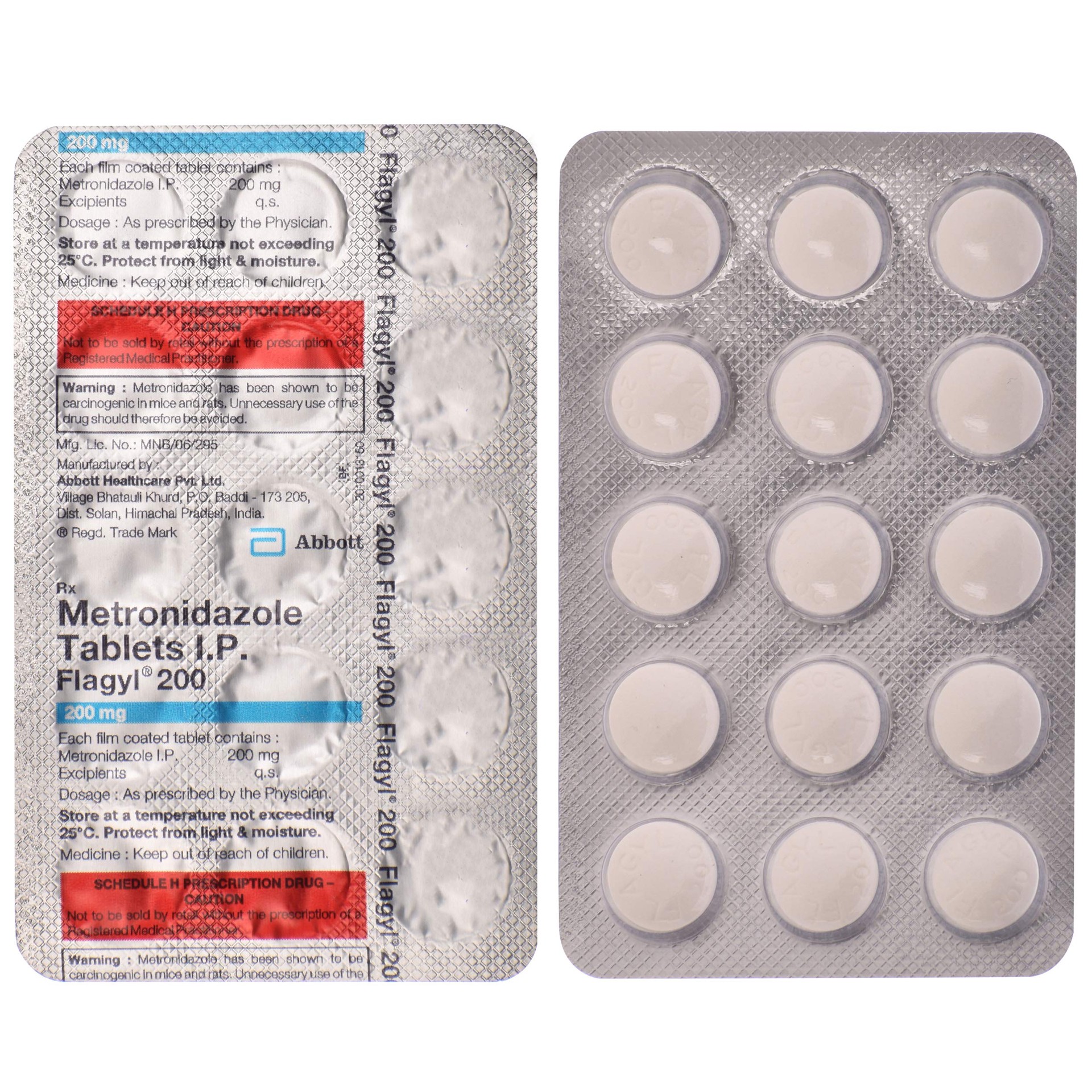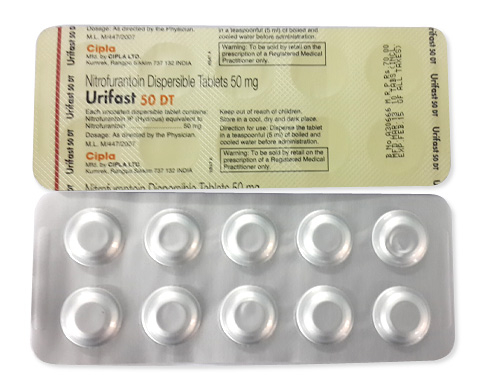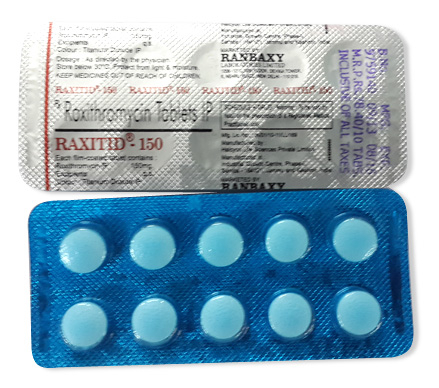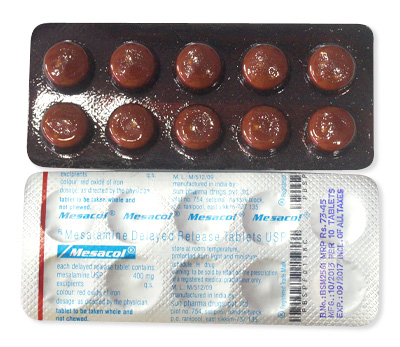
Antibacterial medicines are pharmaceutical treatments specifically designed to combat bacterial infections by either killing bacteria or preventing their growth and reproduction. These medications work through various mechanisms, including disrupting bacterial cell walls, interfering with protein synthesis, or blocking essential metabolic processes that bacteria need to survive.
Whilst the terms are often used interchangeably, antibiotics technically refer to naturally occurring substances that fight bacteria, whereas antibacterials encompass both natural and synthetic compounds. In modern pharmacy practice, both work to eliminate harmful bacteria from the body whilst preserving beneficial bacteria where possible.
British patients frequently seek treatment for various bacterial infections, including urinary tract infections, skin and soft tissue infections, respiratory tract infections such as pneumonia and bronchitis, and wound infections. Streptococcal throat infections and certain sexually transmitted infections also require antibacterial intervention.
Accurate diagnosis is crucial before commencing antibacterial treatment. Viral infections, which are common in the UK, particularly during winter months, do not respond to antibacterial medications. Inappropriate use can lead to antibiotic resistance and unnecessary side effects.
Consult your GP for suspected serious infections, persistent symptoms lasting more than a few days, or if you experience fever, severe pain, or signs of systemic illness. Your local pharmacist can provide guidance on minor infections and recommend appropriate over-the-counter treatments.
UK pharmacies commonly dispense amoxicillin, flucloxacillin, and clarithromycin for various bacterial infections. These prescription-only medicines (POMs) require a valid NHS or private prescription and should be taken exactly as directed by your healthcare provider to ensure effectiveness and prevent resistance.
Several antibacterial treatments are available without prescription for minor infections. These include topical antiseptics for cuts and grazes, antibacterial throat sprays, and certain eye treatments for minor bacterial conjunctivitis, subject to pharmacist consultation and approval.
Antibacterial creams and ointments containing ingredients such as chlorhexidine, povidone-iodine, or bacitracin are effective for treating minor skin infections, cuts, and wounds. These products help prevent bacterial colonisation whilst promoting healing.
Antiseptic wipes, solutions, and sprays are essential for wound care and infection prevention. Popular options include TCP, Dettol, and Savlon, which are trusted household names in British healthcare for their proven antibacterial properties.
Antibacterial hand sanitisers and soaps have become increasingly important for infection control. Alcohol-based sanitisers with at least 60% alcohol content are most effective against bacteria and viruses.
Some individuals prefer natural options such as tea tree oil, manuka honey, or colloidal silver products. Whilst these may have antibacterial properties, they should complement, not replace, conventional treatments for serious infections.
The UK pharmaceutical market offers a comprehensive range of antibacterial medications, each designed to target specific bacterial infections. Understanding the various types available helps ensure appropriate treatment selection for different conditions.
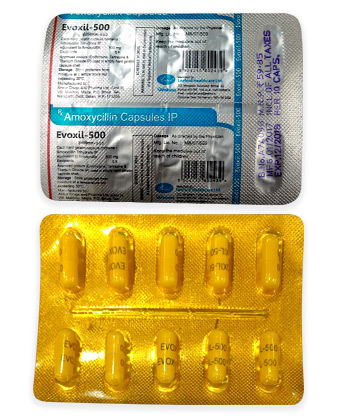
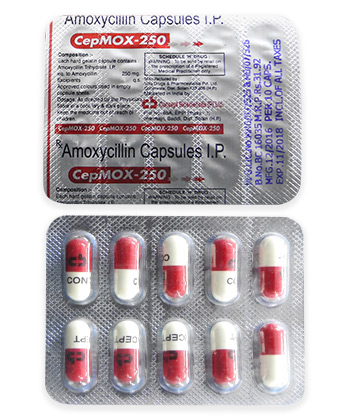
Penicillin antibiotics remain amongst the most frequently prescribed antibacterials in the UK. Amoxicillin is widely used for respiratory tract infections, dental abscesses, and urinary tract infections. Flucloxacillin proves particularly effective against staphylococcal infections and is commonly prescribed for skin and soft tissue infections. Both medications are available as capsules, oral suspensions, and in some cases, injectable forms.
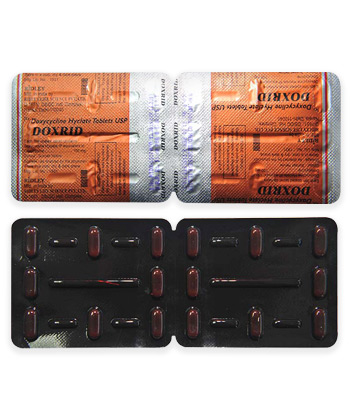
Macrolide antibiotics, including erythromycin and clarithromycin, serve as excellent alternatives for patients with penicillin allergies. These medications effectively treat respiratory infections, whooping cough, and certain sexually transmitted infections. Doxycycline, a tetracycline antibiotic, is frequently prescribed for acne, respiratory infections, and as prophylaxis for malaria when travelling abroad.
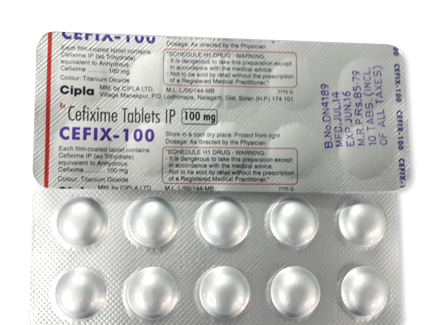
Cefalexin, a first-generation cephalosporin, provides broad-spectrum coverage for skin infections, urinary tract infections, and respiratory conditions. Ciprofloxacin, a quinolone antibiotic, is typically reserved for more serious infections due to its potent antibacterial properties and potential for resistance development.
For localised bacterial infections, topical antibacterials offer targeted treatment with minimal systemic absorption. Fusidic acid cream effectively treats impetigo and infected eczema, whilst mupirocin proves excellent for nasal MRSA eradication and small skin infections.
Popular brand names include Augmentin (co-amoxiclav), Klacid (clarithromycin), and Fucidin (fusidic acid), alongside numerous generic alternatives that provide cost-effective treatment options. Antibacterials are available in various strengths and formulations including tablets, capsules, liquids, creams, and ointments to suit different patient needs and preferences.
Safe and effective use of antibacterial medications requires careful adherence to prescribed guidelines and awareness of potential risks. Proper usage not only ensures optimal treatment outcomes but also helps prevent the development of antibiotic resistance.
Always complete the full course of antibacterial treatment, even if symptoms improve before finishing all tablets or doses. Stopping early can lead to incomplete bacterial elimination and potential resistance development. Take medications at evenly spaced intervals as directed—this maintains consistent drug levels in your system for maximum effectiveness.
Common side effects include nausea, diarrhoea, and stomach upset. Seek immediate medical attention for severe reactions such as difficulty breathing, severe skin rashes, or persistent vomiting. Inform your pharmacist about all other medications you're taking, as antibacterials can interact with warfarin, oral contraceptives, and certain supplements.
Children require carefully calculated doses based on weight and age. Elderly patients may need dose adjustments due to reduced kidney function. Pregnant and breastfeeding women should only use antibacterials deemed safe during these periods, with many requiring specialist medical supervision.
Antibiotic resistance is one of the most pressing public health challenges facing the UK today. When bacteria develop resistance to antibacterial medicines, infections become increasingly difficult to treat, leading to longer hospital stays, higher medical costs, and increased mortality rates. The UK has seen concerning rises in resistant infections, with conditions such as MRSA and carbapenem-resistant Enterobacteriaceae posing significant threats to patient safety. This resistance develops when antibacterials are used inappropriately, allowing bacteria to adapt and survive treatment.
Adhering strictly to your prescribed antibacterial regimen is crucial for both your recovery and preventing resistance development. Taking the full course as directed, even when you feel better, ensures all harmful bacteria are eliminated. Skipping doses or stopping treatment early can allow surviving bacteria to multiply and potentially develop resistance. Always take your medicine at the prescribed intervals and never alter the dosage without consulting your healthcare provider or pharmacist.
Antibacterials prescribed for you are specifically chosen based on your condition, medical history, and the type of infection you have. Sharing these medicines with family or friends is dangerous and ineffective, as their infection may be caused by different bacteria requiring different treatment. Additionally, they may have allergies or medical conditions that make certain antibacterials unsuitable for them.
Any remaining antibacterials after completing your prescribed course should be disposed of safely through your local pharmacy's medicine return service. Storing leftover antibacterials for future self-treatment is dangerous because different infections require specific antibacterial types and dosages. Using inappropriate antibacterials can worsen your condition and contribute to resistance development.
The NHS has implemented comprehensive antimicrobial stewardship programmes across the UK to optimise antibacterial use and combat resistance. These initiatives focus on ensuring patients receive the right antibacterial, at the right dose, for the right duration. By following healthcare professionals' guidance and supporting these programmes, you contribute to preserving antibacterial effectiveness for future generations.
Community pharmacists play a vital role in educating patients about proper antibacterial use and monitoring treatment outcomes. They provide essential counselling on administration techniques, potential side effects, and the importance of completing prescribed courses. Pharmacists also identify potential drug interactions and support antimicrobial stewardship by advising when over-the-counter treatments may be more appropriate than prescription antibacterials.
Certain symptoms indicate bacterial infections that require prescription antibacterials rather than over-the-counter treatments. These include persistent high fever, severe localised pain, signs of spreading infection such as red streaking, thick coloured discharge, or symptoms that worsen despite initial treatment. Respiratory symptoms accompanied by coloured sputum, urinary symptoms with blood or severe pain, and skin infections showing signs of cellulitis all warrant professional medical assessment.
Many minor infections and symptoms can be effectively managed with over-the-counter antibacterial products and supportive care. Mild cuts and grazes respond well to topical antibacterial creams, whilst minor throat irritation often improves with antiseptic gargles and pain relief. However, these treatments have limitations and should not be used as substitutes for prescription antibacterials when bacterial infections are severe or systemic.
Seek immediate medical attention through A&E or call 999 if you experience severe symptoms suggesting serious bacterial infection. These emergency signs include:
Regular monitoring during antibacterial treatment ensures optimal outcomes and early detection of complications. Your GP or pharmacist may schedule follow-up appointments to assess treatment response and adjust therapy if necessary. Some antibacterials require blood tests to monitor levels or check for side effects. Always attend scheduled appointments and contact your healthcare provider if symptoms persist or worsen during treatment.
The UK's Yellow Card Scheme allows patients and healthcare professionals to report suspected adverse drug reactions, contributing to medicine safety monitoring. Report any unexpected or severe side effects from antibacterial medicines to your pharmacist, GP, or directly through the MHRA Yellow Card website. This reporting helps identify new safety concerns and ensures continuous improvement in medicine safety standards.
Multiple NHS services provide access to antibacterial treatments and advice. Your local pharmacy offers minor ailment schemes and consultation services for appropriate conditions. GP surgeries provide comprehensive assessment and prescription services, whilst NHS 111 offers telephone and online advice for urgent but non-emergency situations. Walk-in centres and urgent care centres provide additional access points when your regular GP is unavailable.