Antibiotics are powerful medicines designed to fight bacterial infections by either killing bacteria or preventing their growth and reproduction. These essential medications work through various mechanisms, including disrupting bacterial cell wall synthesis, interfering with protein production, or damaging bacterial DNA. Understanding how antibiotics function is crucial for their proper use and effectiveness.
Antibiotics are classified into two main categories based on their action: bactericidal antibiotics, which directly kill bacteria, and bacteriostatic antibiotics, which halt bacterial growth and allow the body's immune system to eliminate the infection. It's important to note that antibiotics are completely ineffective against viral infections such as the common cold or flu, as viruses operate differently from bacteria and require the host cell's machinery to reproduce.
The discovery of penicillin by Alexander Fleming in 1928 marked a revolutionary moment in medical history, leading to the development of numerous life-saving antibiotic treatments. This breakthrough has since evolved into a sophisticated range of medications that have dramatically reduced mortality rates from bacterial infections across the UK and worldwide.
The NHS and UK pharmacies stock a comprehensive range of antibiotics, each designed to target specific types of bacterial infections. The choice of antibiotic depends on factors including the type of bacteria causing the infection, its location in the body, and individual patient considerations such as allergies or other medical conditions.
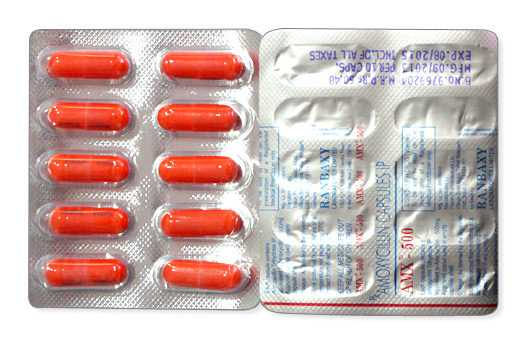
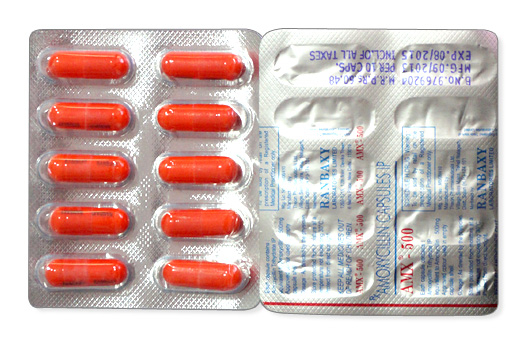
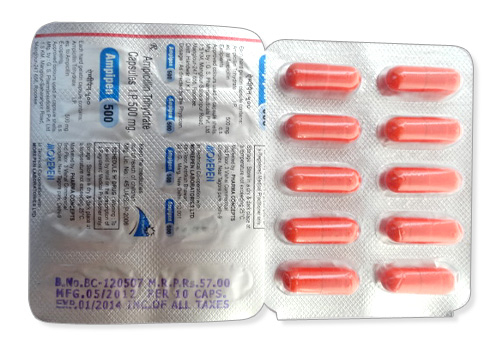
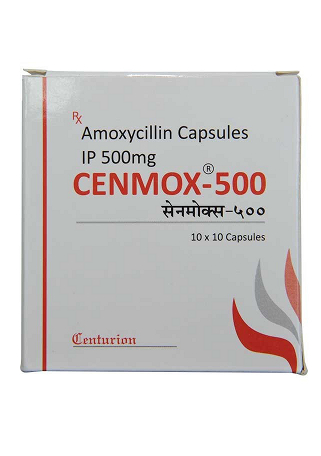
Penicillins remain amongst the most commonly prescribed antibiotics in the UK, including amoxicillin for respiratory tract infections, flucloxacillin for skin and soft tissue infections, and co-amoxiclav (amoxicillin combined with clavulanic acid) for more resistant bacterial strains.
Healthcare professionals in the UK frequently prescribe several other important antibiotic families:
Specialist antibiotics such as metronidazole for anaerobic bacterial infections and clindamycin for serious skin and bone infections are also available through UK healthcare providers when clinically appropriate.
Antibiotics are prescribed to treat a wide range of bacterial infections affecting various parts of the body. Understanding when these medications are appropriate helps ensure proper treatment and prevents antibiotic resistance.
Bacterial respiratory infections commonly treated with antibiotics include pneumonia, bacterial bronchitis, and sinusitis. These conditions often develop following viral infections or in individuals with compromised immune systems. Symptoms such as persistent fever, coloured sputum, and worsening breathing difficulties may indicate bacterial involvement requiring antibiotic treatment.
Antibiotics effectively treat urinary tract infections and cystitis, which cause painful urination and frequent bladder symptoms. Skin and soft tissue infections, including cellulitis and wound infections, respond well to appropriate antibiotic therapy. Ear infections, particularly bacterial otitis media in children, often require antibiotic treatment to prevent complications.
Antibiotics only work against bacterial infections, not viral illnesses like common colds, flu, or most sore throats. Your GP or pharmacist can help determine whether symptoms suggest bacterial infection requiring antibiotic treatment. Inappropriate antibiotic use contributes to resistance, making future infections harder to treat. Always complete prescribed courses even if feeling better, and never share antibiotics with others or save leftover medications.
Antibiotic resistance occurs when bacteria evolve to survive exposure to antibiotics that would normally kill them or stop their growth. This natural process has been accelerated by the misuse and overuse of antibiotics, creating "superbugs" that are increasingly difficult to treat. Methicillin-resistant Staphylococcus aureus (MRSA) and Clostridioides difficile are prime examples of resistant bacteria that pose significant health risks in healthcare settings.
The NHS has implemented strict guidelines for responsible prescribing, emphasising that antibiotics should only be prescribed when absolutely necessary and for the shortest effective duration. Healthcare professionals now follow antimicrobial stewardship programmes to ensure appropriate antibiotic selection and dosing.
Patient compliance with these principles is crucial for maintaining antibiotic effectiveness for future generations and preventing the spread of resistant infections.
Antibiotics can cause various side effects, with gastrointestinal disturbances being most common. Nausea, vomiting, diarrhoea, and abdominal cramping frequently occur due to disruption of normal gut bacteria. Allergic reactions range from mild skin rashes to severe anaphylaxis, particularly with penicillin-based antibiotics. Always inform your pharmacist or GP of any known drug allergies.
Drug interactions are significant concerns, especially with warfarin, oral contraceptives, and certain heart medications. Some antibiotics can reduce the effectiveness of the contraceptive pill, requiring additional precautions. During pregnancy and breastfeeding, only specific antibiotics deemed safe are prescribed, as some can affect foetal development or pass into breast milk.
Antibiotic-associated colitis and thrush (candidiasis) are potential complications from disrupted normal flora. Seek immediate medical advice if you experience severe diarrhoea, blood in stools, difficulty breathing, or signs of severe allergic reaction.
Store antibiotics in cool, dry conditions away from children, and return unused medications to your pharmacy for safe disposal. Never flush antibiotics down toilets or put them in household waste.
Antibiotics are prescription-only medicines (POMs) in the UK, requiring a valid prescription from a registered healthcare professional. NHS prescriptions are available through GPs, nurse prescribers, and hospital doctors following proper clinical assessment. Private prescriptions offer an alternative route through private healthcare providers, though costs are significantly higher.
Many pharmacies now offer consultation services for minor infections, with qualified pharmacist prescribers able to prescribe certain antibiotics without GP referral. Emergency supplies may be provided by pharmacists in specific circumstances when continuing treatment is clinically necessary and a prescription cannot be immediately obtained.
Always use reputable, UK-registered online pharmacies that require valid prescriptions and provide proper pharmaceutical oversight for antibiotic dispensing.