Antifungal medicines are specialised treatments designed to combat fungal infections by either killing fungi or preventing their growth and reproduction. These medications work by targeting the unique structures of fungal cells, particularly their cell walls and membranes, which differ significantly from human cells.
Antifungal treatments address a wide range of infections including athlete's foot, ringworm, thrush, nail infections, and more serious systemic conditions. The choice between topical and systemic antifungals depends on the infection's location and severity - topical treatments work directly on the skin's surface, whilst systemic medications circulate through the bloodstream to treat internal or widespread infections.
Seek medical advice if symptoms persist beyond two weeks of treatment, worsen despite medication, or if you experience fever alongside the infection. Common indicators requiring antifungal treatment include persistent itching, scaling, redness, unusual discharge, or circular patches on the skin.
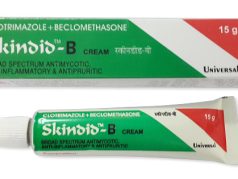
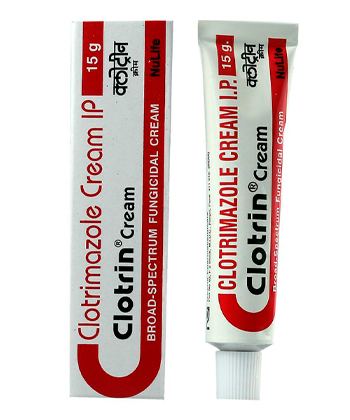
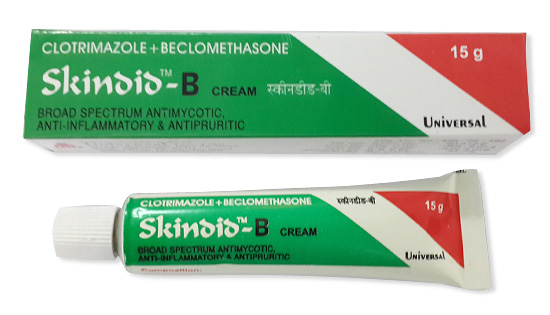
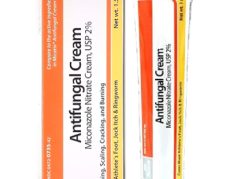
Topical antifungal preparations including creams, ointments, and lotions provide effective treatment for superficial skin infections. These formulations deliver active ingredients directly to the affected area, offering targeted relief with minimal systemic absorption.
These treatments effectively address athlete's foot, ringworm, and jock itch when applied as directed. Most conditions require twice-daily application for 2-4 weeks, continuing for one week after symptoms clear. Many formulations are available over-the-counter, though stronger concentrations may require prescription. Common side effects include mild skin irritation or burning sensation, which typically subsides with continued use.
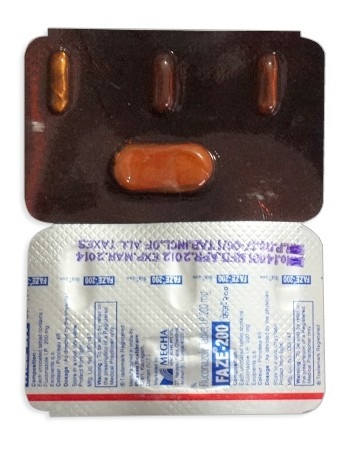
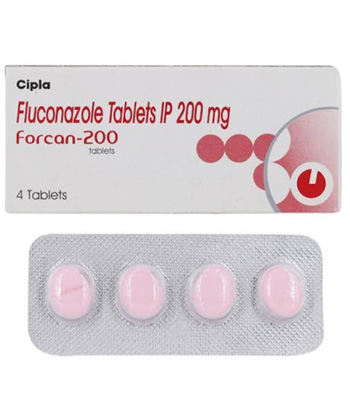
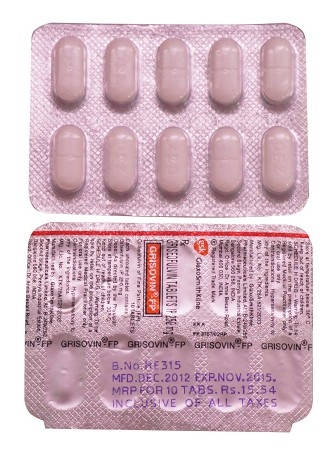
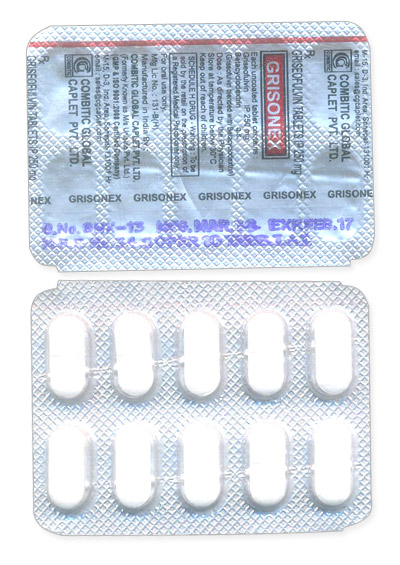
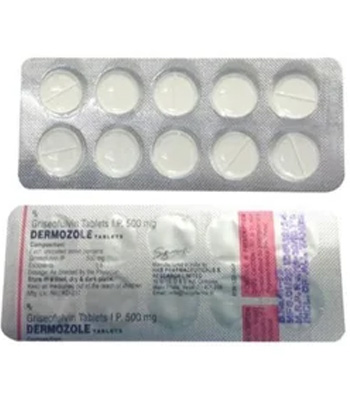
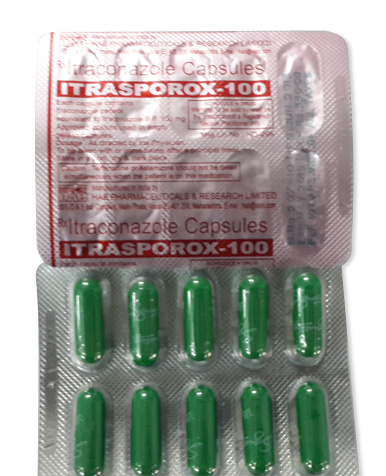
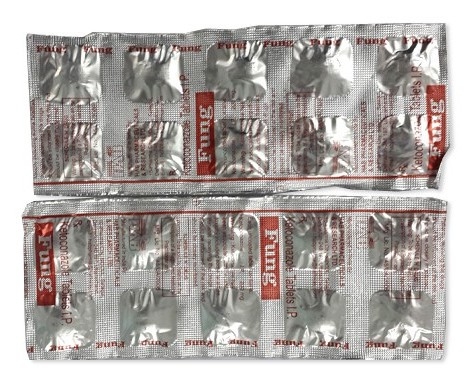
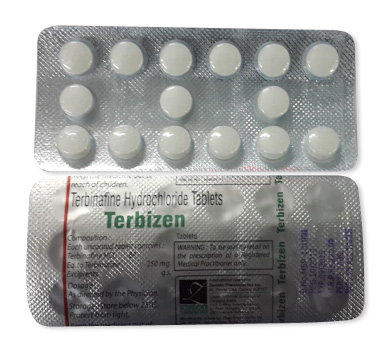
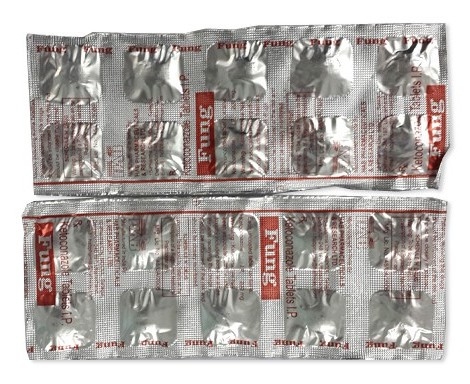
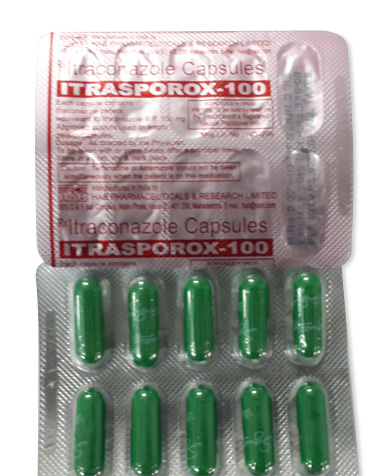
Prescription oral antifungal tablets are essential for treating severe or systemic fungal infections that cannot be effectively managed with topical treatments alone. These medicines work from within the body to combat fungal infections throughout the system.
The most commonly prescribed oral antifungals in the UK include:
Treatment courses vary significantly depending on the condition being treated. Thrush may require just a single dose, whilst nail infections typically need 6-12 weeks of continuous treatment. Systemic infections may require several months of therapy under careful medical supervision.
Important considerations include potential drug interactions with warfarin, certain heart medications, and other prescription drugs. Regular liver function monitoring may be required during extended treatment courses, and these medications are not suitable for everyone, particularly those with certain liver conditions.
Vaginal thrush and yeast infections are common conditions affecting many women, with effective over-the-counter treatments readily available at UK pharmacies. These infections typically cause itching, discharge, and discomfort that can be successfully treated with appropriate antifungal products.
Treatment options are available in several convenient forms including vaginal pessaries, external creams for symptom relief, and oral tablets for internal treatment. Popular and trusted brands include Canesten Thrush range, Diflucan One, and Gyno-Daktarin, each offering proven efficacy against vaginal fungal infections.
Patients can choose between single-dose treatments for convenience or multi-day treatment courses for persistent infections. Single-dose options like fluconazole tablets provide quick relief, whilst 3-6 day courses may be more suitable for recurrent conditions.
Special consideration is required during pregnancy, where certain treatments may not be suitable. Oral antifungals are generally avoided during pregnancy, with topical treatments being preferred. Always consult your pharmacist or GP if symptoms persist beyond treatment, occur frequently, or if you're unsure about the most appropriate treatment option.
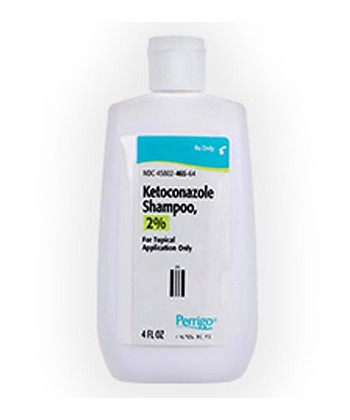
Medicated antifungal shampoos are specially formulated treatments designed to combat fungal infections affecting the scalp and hair. These therapeutic products contain active ingredients that target the underlying fungal causes of various scalp conditions whilst maintaining the health of your hair and scalp. Unlike regular cosmetic shampoos, medicated variants are classified as medicines and are specifically designed to treat diagnosed conditions rather than simply cleanse.
Antifungal shampoos effectively treat a range of scalp conditions caused by fungal overgrowth. Dandruff, characterised by flaky, itchy scalp, often responds well to antifungal treatment as it's frequently caused by Malassezia fungus. Seborrhoeic dermatitis, a more severe inflammatory condition causing red, scaly patches, requires consistent antifungal therapy to manage symptoms and prevent flare-ups. Scalp ringworm (tinea capitis), particularly common in children, requires prompt antifungal treatment to prevent spread and hair loss.
Several effective antifungal shampoos are available in UK pharmacies. Nizoral contains ketoconazole, a potent antifungal agent effective against a broad spectrum of fungi. Selsun shampoo utilises selenium sulphide to control fungal growth and reduce scalp inflammation. Head & Shoulders Clinical Strength offers enhanced formulations with higher concentrations of active ingredients for more persistent conditions. Each product has specific indications and may be more suitable for particular types of scalp conditions.
Correct application is crucial for treatment success. Apply the shampoo to wet hair, creating a rich lather and ensuring thorough coverage of the entire scalp. Leave the product on for the recommended contact time, typically 3-5 minutes, to allow the active ingredients to work effectively. Rinse thoroughly with warm water. Frequency varies by product and condition severity, but typically ranges from twice weekly to daily use during the acute phase, reducing to maintenance frequency once symptoms improve.
Antifungal shampoos can often be used alongside other scalp treatments for enhanced effectiveness. Topical antifungal creams may be applied to particularly affected areas between shampoo applications. However, always consult with a pharmacist or healthcare provider before combining treatments to avoid potential interactions or irritation. Some conditions may require systemic antifungal medications in conjunction with topical shampoo therapy for optimal results.
Several situations warrant immediate professional consultation. Seek medical advice if symptoms worsen despite treatment, if you develop signs of bacterial infection such as pustules or spreading redness, or if the condition affects large areas of the body. Pregnant or breastfeeding women should consult healthcare providers before using antifungal treatments. Children under 12 years often require different treatment approaches and professional guidance.
Treatment-resistant fungal infections may indicate the need for alternative therapies or investigation of underlying conditions. Signs include persistent symptoms after completing a full treatment course, rapid recurrence of infection, or spreading to new areas despite appropriate treatment. Immunocompromised individuals are particularly susceptible to resistant infections and require specialist medical management.
Correct storage ensures medication effectiveness and safety. Store antifungal products in cool, dry places away from direct sunlight and heat sources. Keep medications in original packaging with intact labels and check expiry dates regularly. Ensure products are stored safely away from children and pets. Avoid contaminating tubes or bottles by using clean, dry hands when applying treatments.
Treatment failure can occur for various reasons including incorrect application, inadequate treatment duration, or misdiagnosis. If initial treatment proves ineffective, consider whether the application technique is correct, the treatment duration sufficient, and compliance consistent. Alternative antifungal agents with different mechanisms of action may be necessary, or the condition may require systemic rather than topical treatment.
Preventing reinfection is as important as treating the initial condition. Effective prevention strategies include:
Completing the entire prescribed treatment course is essential even when symptoms improve or disappear. Fungal infections require time to eliminate completely, and premature discontinuation often leads to recurrence or resistance development. Continue treatment for the recommended duration beyond symptom resolution to ensure complete eradication of the fungal infection.
Certain populations require modified treatment approaches. Elderly patients may have thinner, more sensitive skin requiring gentler formulations or reduced application frequency. Children often need age-appropriate formulations and careful supervision during treatment. Pregnant and breastfeeding women should use only treatments confirmed safe during pregnancy and lactation. Always consult healthcare providers for guidance when treating these special populations.