Antiparasitic medicines are specialised treatments designed to eliminate parasites that have invaded the human body. These medications work through various mechanisms, including disrupting the parasites' cellular structure, interfering with their metabolic processes, or preventing their reproduction. In the UK, parasitic infections, whilst less common than in tropical regions, still affect thousands of people annually, particularly children in nurseries and schools.
Several types of parasites can affect humans in Britain, with intestinal worms being the most prevalent. Threadworms (pinworms) are especially common in children, whilst roundworms, whipworms, and hookworms may affect individuals who have travelled abroad or come into contact with contaminated soil or food. Additionally, protozoan parasites such as Giardia can cause gastrointestinal distress.
Common symptoms indicating a parasitic infection include:
It's crucial to seek medical advice if symptoms persist for more than a few days or if multiple family members are affected. Healthcare providers can perform specific tests, including stool samples or tape tests for threadworms, to confirm the presence of parasites. Antiparasitic treatments are highly targeted, with different medications effective against specific types of parasites, ensuring optimal treatment outcomes whilst minimising side effects.
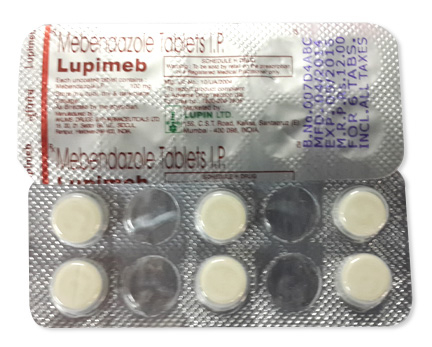
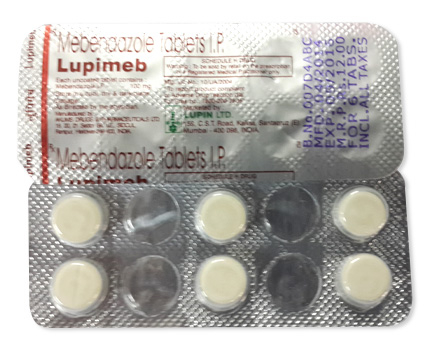
Mebendazole, available under brand names such as Ovex and Vermox, represents the first-line treatment for threadworm and roundworm infections in the UK. This medication works by preventing worms from absorbing glucose, effectively starving them. It's particularly effective against Enterobius vermicularis (threadworms) and Ascaris lumbricoides (roundworms), making it suitable for most common intestinal worm infections encountered in Britain.
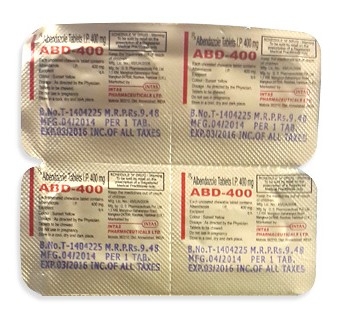
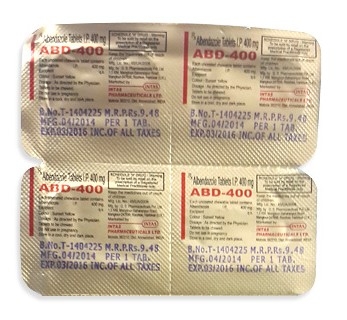
Albendazole offers broader spectrum activity against various intestinal parasites, including whipworms, hookworms, and some tapeworm species. This medication disrupts the parasites' microtubule formation, leading to their eventual death. Piperazine, though less commonly used today, remains effective for roundworm and threadworm infections by paralysing the worms, allowing natural bowel movements to expel them.
For threadworm infections, mebendazole is typically administered as a single 100mg dose for adults and children over two years, with a second dose recommended after two weeks to prevent reinfection. Treatment duration varies depending on the specific parasite and medication used, with some infections requiring longer courses of up to three days.
Special consideration must be given to children under two years and pregnant women, as many antiparasitic medications are contraindicated in these populations. Alternative treatments or hygiene measures may be recommended instead. Always consult with a pharmacist or GP before administering antiparasitic medications to ensure appropriate treatment selection and dosing.
Malaria prevention and treatment requires careful consideration of the specific strain, geographical location, and individual patient factors. In the UK, several anti-malarial medications are available through prescription and travel clinics to protect travellers visiting endemic regions.
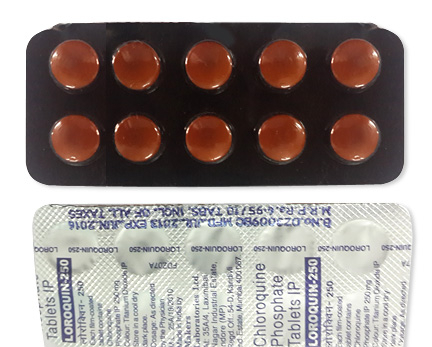
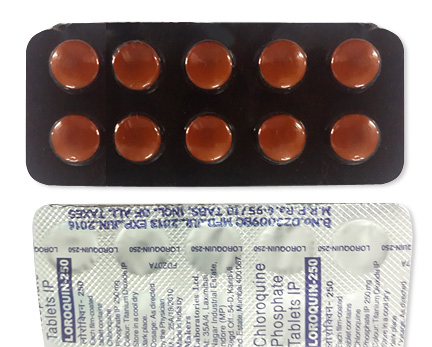
Chloroquine remains effective for malaria prevention in areas without resistant strains, primarily parts of Central America and the Middle East. This medication is typically taken weekly, starting one to two weeks before travel and continuing for four weeks after return. Whilst generally well-tolerated, chloroquine may cause gastrointestinal upset and, rarely, retinal toxicity with prolonged use.
Doxycycline serves as an excellent prophylactic option for most malaria-endemic areas, including regions with chloroquine-resistant strains. This daily antibiotic offers additional protection against other travel-related infections. However, it may increase photosensitivity and cause gastrointestinal irritation. Women should be aware it may reduce contraceptive pill effectiveness.
Mefloquine provides weekly dosing convenience for areas with multi-drug resistant malaria strains. However, it's contraindicated in individuals with psychiatric disorders, epilepsy, or cardiac conduction problems due to potential neuropsychiatric side effects including anxiety, depression, and sleep disturbances.
This combination therapy offers excellent efficacy with minimal side effects, making it suitable for most travellers. The daily regimen begins one to two days before travel and continues for seven days post-return. Key considerations include:
Protozoal infections can affect the gastrointestinal tract, urogenital system, and other organs. Effective treatment requires accurate diagnosis and appropriate antimicrobial selection based on the specific parasite and infection site.
Metronidazole remains the gold standard treatment for giardiasis, amoebiasis, and trichomoniasis. This nitroimidazole antibiotic disrupts protozoal DNA synthesis, providing excellent tissue penetration. Patients must avoid alcohol consumption during treatment and for 48 hours afterwards due to disulfiram-like reactions causing severe nausea and vomiting.
Tinidazole offers similar efficacy to metronidazole but with improved patient compliance due to shorter treatment courses and reduced gastrointestinal side effects. This medication effectively treats trichomonas infections, giardiasis, and amoebiasis. Like metronidazole, alcohol must be avoided during therapy. Tinidazole may interact with anticoagulants, requiring careful monitoring of clotting parameters.
Nitazoxanide provides broad-spectrum antiprotozoal activity, particularly effective against cryptosporidium and resistant giardia strains. This medication works by interfering with protozoal energy metabolism. Treatment protocols typically involve:
Healthcare professionals should monitor treatment response and consider drug interactions, particularly with highly protein-bound medications, when prescribing antiprotozoal treatments.
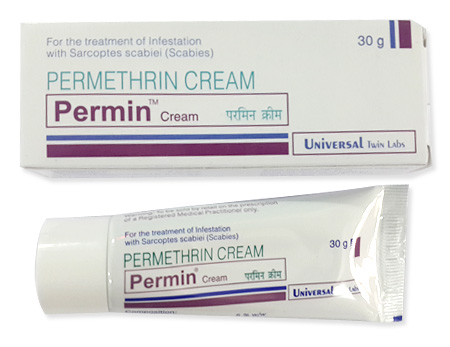
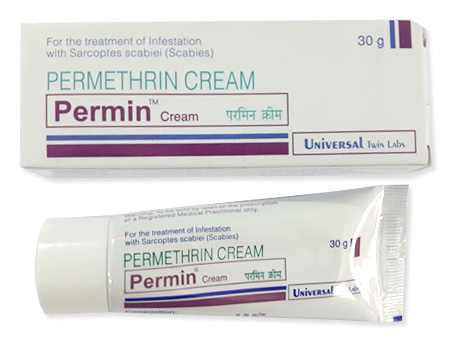
Permethrin is a highly effective synthetic pyrethroid insecticide available as a cream or lotion for treating both scabies and head lice infestations. This topical treatment works by paralysing and killing parasites through disruption of their nervous system. Permethrin 5% cream is the gold standard treatment for scabies in the UK, whilst 1% preparations are commonly used for head lice. The medication is well-tolerated by most patients and provides excellent cure rates when applied correctly according to manufacturer guidelines.
Malathion 0.5% aqueous lotion represents an alternative first-line treatment for head lice, particularly useful when resistance to other treatments is suspected. This organophosphate compound effectively eliminates both live lice and their eggs through cholinesterase inhibition. Malathion preparations are alcohol-free, making them suitable for patients with asthma or sensitive scalps. The treatment requires application to dry hair and scalp, allowing the product to remain in contact for 12 hours before washing out with ordinary shampoo.
Benzyl benzoate 25% application offers an established alternative for scabies treatment, particularly in cases where permethrin may not be suitable. This aromatic ester demonstrates excellent scabicidal properties and has been used successfully for decades in the UK. The treatment involves application to the entire body from the neck down, with particular attention to areas between fingers, wrists, and other common infestation sites. Benzyl benzoate may cause temporary skin irritation, but this typically resolves quickly after treatment completion.
Proper application technique is crucial for successful parasite elimination. Before applying any topical antiparasitic product, ensure the skin is cool and dry. For scabies treatments, apply to the entire body from the neck down, paying special attention to fingernails, between fingers, wrists, elbows, and genital areas. Head lice treatments should cover the entire scalp and hair length. Always follow the specific contact time recommended for each product, as insufficient exposure may result in treatment failure and potential resistance development.
Successful parasite elimination requires comprehensive treatment of all household members and appropriate environmental management. Close contacts should be examined and treated simultaneously, even if asymptomatic, to prevent reinfection cycles. Environmental measures include washing clothing, bedding, and towels in hot water (60°C minimum) and tumble drying on high heat settings. Items that cannot be washed should be sealed in plastic bags for at least 72 hours to eliminate any surviving parasites.
Antiparasitic medications require careful storage to maintain their efficacy and ensure safety. Store all products at room temperature away from direct sunlight and moisture, typically in a secure medicine cabinet. Keep medications in their original packaging with intact labelling to prevent confusion and ensure proper identification. Always check expiry dates before use, as expired antiparasitic treatments may be less effective. Store products safely away from children and pets, and never transfer medications to unmarked containers.
Treatment success depends entirely upon completing the full prescribed course, even if symptoms appear to resolve early. Incomplete treatment is a primary cause of treatment failure and may contribute to resistance development. Most topical antiparasitic treatments require repeat applications after 7-14 days to eliminate parasites that may have hatched from surviving eggs. Follow-up treatments are essential components of the therapeutic regimen, not optional additional steps.
Preventing reinfection requires ongoing vigilance and appropriate behavioural modifications. Key prevention strategies include:
Seek professional medical advice if symptoms persist despite appropriate treatment, if adverse reactions develop, or if you are unsure about proper treatment selection. Pregnant or breastfeeding women should always consult their GP or pharmacist before using antiparasitic treatments. Individuals with compromised immune systems, extensive skin conditions, or multiple allergies require specialist assessment before treatment commencement. If treating infants under 6 months or if widespread secondary bacterial infection is suspected, immediate medical consultation is essential.
Report any unexpected side effects or treatment failures to your pharmacist or GP promptly. Serious adverse reactions should be reported to the MHRA through the Yellow Card Scheme, contributing to ongoing medication safety monitoring. Common side effects may include temporary skin irritation, itching, or mild burning sensations. However, severe reactions such as widespread rash, difficulty breathing, or persistent inflammation require immediate medical attention.
Special populations require tailored treatment approaches and enhanced monitoring. Elderly patients may have thinner, more sensitive skin requiring modified application techniques or alternative treatment options. Immunocompromised individuals may experience more severe infestations requiring extended treatment courses or combination therapies. Patients with chronic skin conditions such as eczema or psoriasis need careful product selection to avoid exacerbating underlying conditions. These populations should always receive individualised treatment recommendations from qualified healthcare professionals.