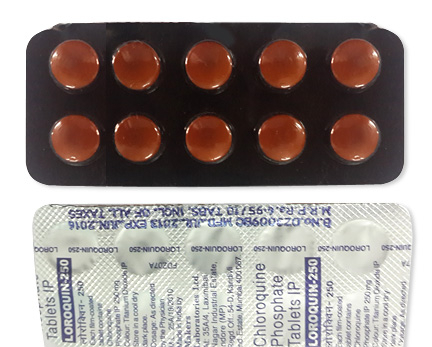
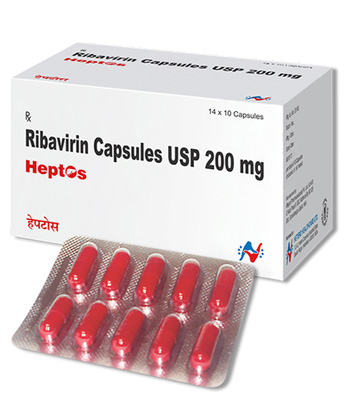
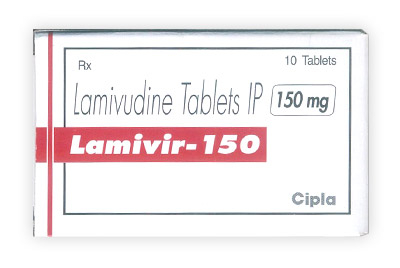
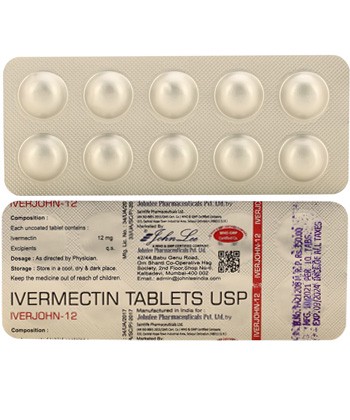
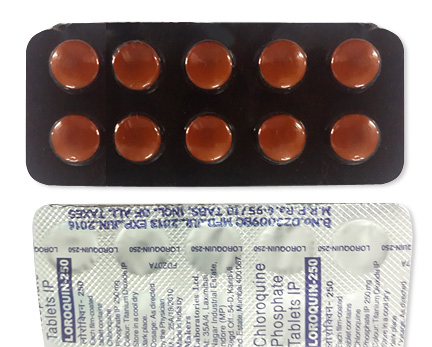
Antiviral medications are specialised pharmaceutical compounds designed to treat viral infections by targeting specific stages of the viral life cycle. Unlike other treatments, antivirals work by either preventing viruses from entering healthy cells, stopping viral replication within infected cells, or boosting the body's natural immune response to fight off the infection more effectively.
The fundamental difference between antivirals and antibiotics lies in their target organisms. Whilst antibiotics are effective against bacterial infections by disrupting bacterial cell walls or essential processes, antivirals specifically target viruses, which are much smaller infectious agents that require host cells to reproduce. This distinction is crucial because antibiotics have no effect on viral infections, making antiviral medications essential for treating conditions caused by viruses.
Antiviral treatment becomes necessary when viral infections pose significant health risks, cause severe symptoms, or affect individuals with compromised immune systems. Early intervention with appropriate antiviral therapy can reduce the duration and severity of symptoms, prevent complications, and decrease the risk of transmission to others.
Antiviral medications are prescribed to treat a wide range of viral infections commonly encountered in the UK. These treatments are particularly valuable for managing both acute and chronic viral conditions that can significantly impact quality of life.
Respiratory viral infections represent one of the most frequent applications for antiviral therapy. These include common colds caused by rhinoviruses, respiratory syncytial virus (RSV) infections, and various other upper respiratory tract infections that can lead to complications if left untreated, particularly in vulnerable populations such as the elderly or those with underlying health conditions.
Herpes virus infections are another major category effectively managed with antiviral medications. This includes both oral and genital herpes caused by herpes simplex viruses (HSV-1 and HSV-2), as well as shingles resulting from the reactivation of the varicella-zoster virus. Antiviral treatment for these conditions can significantly reduce outbreak duration, alleviate symptoms, and help prevent transmission.
Influenza and seasonal flu represent critical areas where antiviral intervention can make a substantial difference in patient outcomes. When administered within the first 48 hours of symptom onset, influenza antivirals can reduce the severity and duration of illness, making them particularly valuable during flu seasons or pandemic situations.
Other common viral conditions treated with antiviral medications include:
Tamiflu (Oseltamivir) is a widely prescribed antiviral medication effective against influenza A and B viruses. Available as capsules or oral suspension, the standard adult dose is 75mg twice daily for five days. Most effective when started within 48 hours of symptom onset, Tamiflu can reduce flu duration by 1-2 days and lessen symptom severity. Common side effects include nausea and vomiting, which can be minimised by taking with food. Always complete the full course as prescribed by your healthcare provider.
Relenza (Zanamivir) is administered via inhalation using a special device called a Diskhaler, delivering medication directly to the respiratory tract. The standard dose is two inhalations twice daily for five days. Clinical studies demonstrate effectiveness in reducing flu symptoms when treatment begins within 36 hours of onset. Particularly suitable for patients who cannot tolerate oral medications, though not recommended for individuals with underlying respiratory conditions such as asthma or COPD.
Antiviral treatment for influenza should ideally commence within 48 hours of symptom onset for maximum effectiveness. However, treatment may still benefit hospitalised patients or those at high risk of complications even when started later. Early intervention is crucial for reducing both symptom duration and the risk of serious complications.
Prophylactic antiviral use involves taking medication to prevent influenza infection, particularly recommended during outbreaks in high-risk settings such as care homes. Treatment typically lasts 7-10 days following exposure or throughout the outbreak period. This approach is especially valuable for individuals who cannot receive vaccination or during vaccine shortages.
Priority groups for antiviral treatment include adults over 65, pregnant women, young children, and individuals with chronic conditions such as diabetes, heart disease, or immunocompromised states. These groups face increased risk of severe complications and hospitalisation from influenza infection.
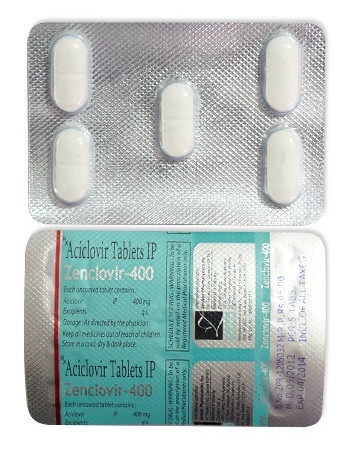
Aciclovir tablets represent the gold standard treatment for herpes simplex virus infections, including genital herpes and cold sores. Standard dosing varies from 200mg five times daily to 400mg three times daily, depending on the condition and severity. Treatment duration typically ranges from 5-10 days for initial episodes, with shorter 3-5 day courses for recurrent outbreaks. Early treatment initiation provides optimal results, ideally within 72 hours of symptom onset.
Valaciclovir offers enhanced bioavailability compared to aciclovir, requiring less frequent dosing for improved patient compliance. Converted to aciclovir in the body, it achieves higher drug levels with typical dosing of 500mg twice daily. The convenience of reduced dosing frequency makes it particularly suitable for suppressive therapy in recurrent infections.
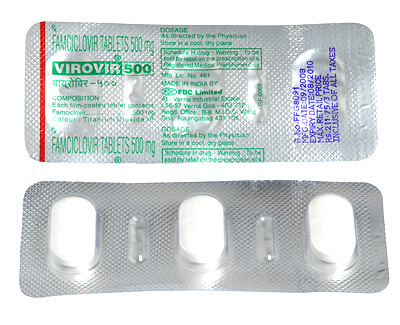
Famciclovir provides an effective alternative for herpes treatment, particularly beneficial for patients who may not respond optimally to aciclovir. Standard dosing is 250mg three times daily, with excellent oral absorption and convenient dosing schedule for various herpes virus infections.
Aciclovir cream is a widely available over-the-counter treatment for cold sores caused by the herpes simplex virus. Applied at the first sign of symptoms, this topical antiviral can reduce healing time and severity of outbreaks. The cream should be applied five times daily for up to ten days, providing targeted relief whilst minimising systemic exposure to the active ingredient.
Penciclovir cream offers an alternative topical treatment for cold sores, requiring less frequent application than aciclovir. Applied every two hours during waking hours for four days, this prescription-only medicine can effectively reduce the duration of cold sore episodes when treatment begins early in the outbreak cycle.
Topical antivirals are generally preferred for localised infections like cold sores due to reduced systemic side effects and targeted action. However, oral antivirals may be more effective for severe or recurrent infections, offering better bioavailability and systemic protection against viral replication.
Paxlovid is a combination antiviral treatment available through NHS prescription for eligible COVID-19 patients at high risk of severe illness. Treatment must commence within five days of symptom onset and consists of three tablets taken twice daily for five days. Patients must be aged 18 or over and meet specific clinical criteria including underlying health conditions or immunocompromised status. Close monitoring for drug interactions is essential due to ritonavir's effects on liver enzymes.
Molnupiravir serves as an alternative oral antiviral for COVID-19 treatment when Paxlovid is unsuitable or contraindicated. This medication works by introducing errors into viral RNA replication and is prescribed as four capsules twice daily for five days. It's particularly useful for patients with significant drug interaction concerns or contraindications to Paxlovid components.
Remdesivir is an intravenous antiviral reserved for hospitalised COVID-19 patients requiring oxygen therapy or mechanical ventilation. Administered by healthcare professionals in hospital settings, this treatment helps reduce recovery time and severity in patients with severe coronavirus infections requiring intensive medical supervision.
Antiviral medications can cause various side effects depending on the specific drug and route of administration. Common reactions include:
Patients should report persistent or severe adverse reactions to their healthcare provider promptly for appropriate management.
Antivirals, particularly those containing ritonavir, can significantly interact with other medications by affecting liver enzyme activity. Common interactions include warfarin, certain antidepressants, and some cardiac medications. Healthcare providers must review all current medications before prescribing antivirals to prevent potentially dangerous drug interactions and ensure patient safety.
Special consideration is required when prescribing antivirals to vulnerable populations. Elderly patients may require dose adjustments due to reduced kidney function, whilst pregnant women need careful risk-benefit assessment. Immunocompromised patients may require extended treatment courses or different dosing regimens to achieve optimal therapeutic outcomes whilst minimising adverse effects.
Most antiviral medications require NHS prescription through GP consultation or hospital referral. COVID-19 antivirals are accessible through specialist COVID Medicine Delivery Units or hospital services for eligible patients meeting clinical criteria and risk factors.
Private prescriptions offer alternative access to antiviral treatments when NHS criteria aren't met. Private healthcare providers can prescribe antivirals following clinical assessment, though patients bear the full cost of both consultation and medication.
Many pharmacies offer consultation services for minor viral infections, providing advice on over-the-counter antivirals like aciclovir cream. Pharmacists can assess symptoms and recommend appropriate treatments or referral to GP services when necessary.
Antivirals should be stored according to manufacturer instructions, typically in cool, dry conditions away from direct sunlight. Refrigeration may be required for certain liquid formulations or reconstituted medications.