Asthma is a chronic respiratory condition that affects the airways in your lungs, causing them to become inflamed, narrow, and produce excess mucus. This makes breathing difficult and can trigger coughing, wheezing, and shortness of breath. When asthma symptoms occur, the muscles around the airways tighten, further restricting airflow and making it challenging to breathe normally.
Common asthma symptoms include persistent coughing (especially at night), wheezing sounds when breathing, chest tightness, and difficulty catching your breath. Various triggers can worsen asthma symptoms, such as allergens like pollen, dust mites, pet dander, respiratory infections, cold air, exercise, stress, and certain medications.
You should seek immediate medical help if you experience severe breathing difficulties, cannot speak in full sentences due to breathlessness, or if your reliever inhaler isn't providing relief. Proper asthma management is crucial for maintaining quality of life, preventing serious attacks, and allowing you to participate fully in daily activities, work, and exercise.
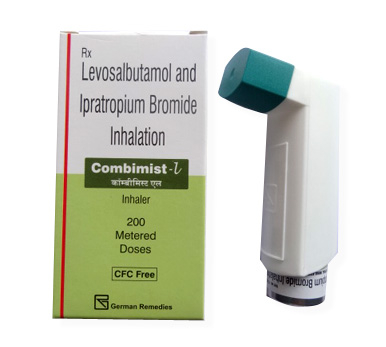
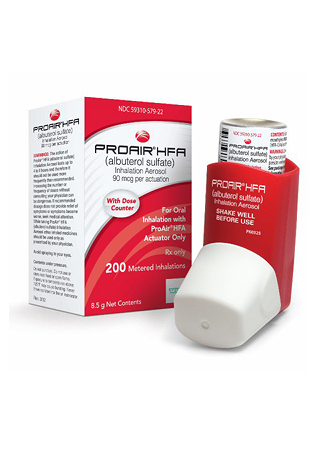
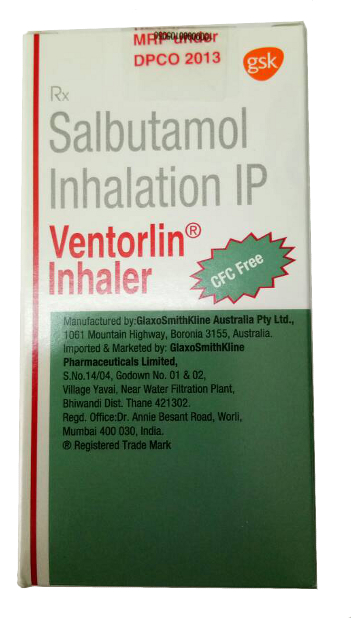
Reliever inhalers, also known as bronchodilators, are essential medications designed to provide quick relief during asthma attacks. These inhalers work by rapidly relaxing the muscles around your airways, allowing them to open wider and making breathing easier within minutes of use. They're your first line of defence when asthma symptoms strike unexpectedly.
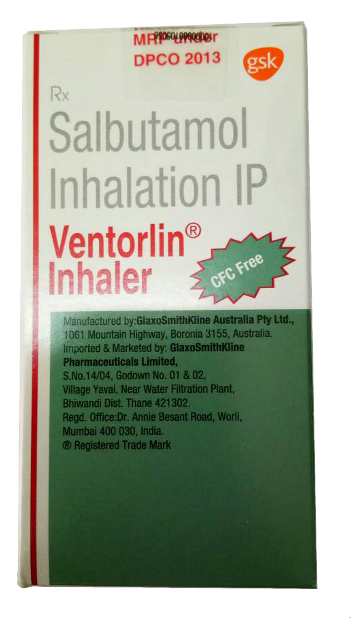
Salbutamol inhalers, available as brands like Ventolin and Airomir, are the most frequently prescribed reliever medications in the UK. Terbutaline inhalers, such as Bricanyl, offer an alternative option with similar quick-acting bronchodilator effects. Both medications belong to the beta-2 agonist family and work by stimulating receptors in the airway muscles.
Proper inhaler technique is crucial for effective medication delivery. Always shake your inhaler before use, breathe out fully, seal your lips around the mouthpiece, press down whilst breathing in slowly and deeply, then hold your breath for 10 seconds. Use your reliever inhaler when you first notice asthma symptoms developing, before they become severe.
Store inhalers at room temperature, away from direct sunlight and extreme temperatures. Always check expiry dates regularly and ensure you have a spare inhaler available. Keep one at home, carry one with you, and consider having another at work or school for emergencies.
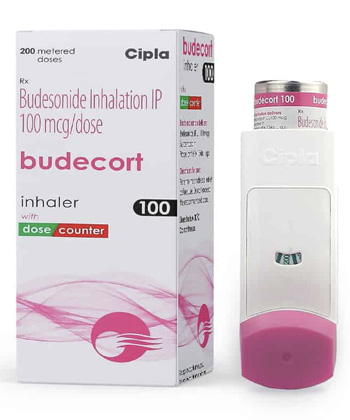
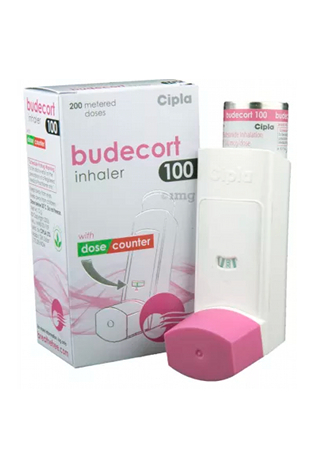
Preventer inhalers are the cornerstone of long-term asthma management, designed to reduce inflammation in the airways and prevent asthma symptoms from occurring. These corticosteroid-based medications work by suppressing the inflammatory response that causes airway narrowing, mucus production, and breathing difficulties.
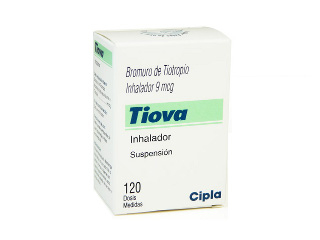
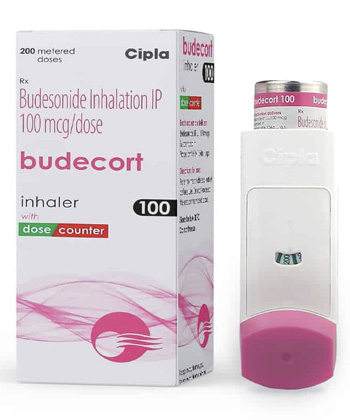
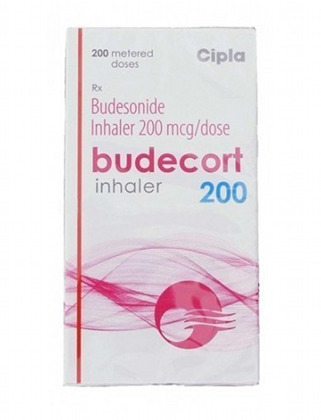
Several effective preventer inhalers are available on prescription in the UK. Beclometasone inhalers, including Clenil and Qvar, are widely prescribed first-line treatments that effectively reduce airway inflammation. Budesonide inhalers such as Pulmicort offer excellent anti-inflammatory properties with a good safety profile. Fluticasone inhalers like Flixotide provide potent inflammation control for moderate to severe asthma.
Consistent daily use of preventer inhalers is crucial for optimal asthma control. Regular use helps maintain open airways, reduces the frequency of asthma attacks, and decreases reliance on reliever medications. Most patients notice significant improvement in symptoms within 2-4 weeks of regular use.
Common side effects include oral thrush and hoarse voice. To minimise these risks, always rinse your mouth thoroughly with water after each use and consider using a spacer device to improve medication delivery whilst reducing oral deposition.
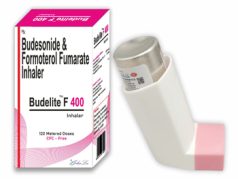
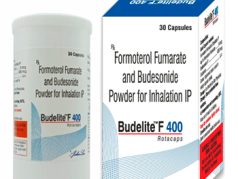
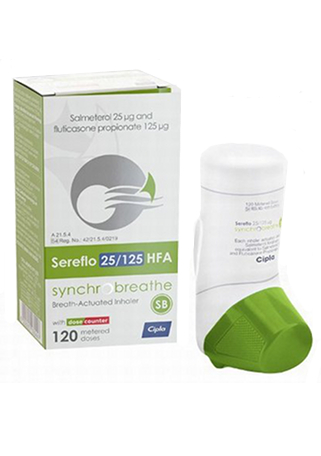
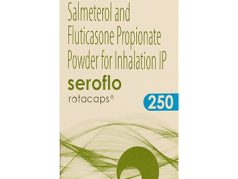
Combination inhalers represent an advanced dual-action treatment approach, incorporating both a long-acting bronchodilator and an anti-inflammatory corticosteroid in a single device. This innovative approach simplifies treatment regimens whilst providing comprehensive asthma management for patients requiring both medications.
Three main combination inhalers are commonly prescribed in the UK:
Combination inhalers offer several significant benefits including improved treatment adherence due to simplified dosing, enhanced symptom control through complementary mechanisms of action, and reduced risk of medication errors. The dual-action approach targets both the underlying inflammation and airway constriction simultaneously.
All combination inhalers require prescription from a healthcare professional and regular monitoring to ensure optimal dosing and effectiveness. Your pharmacist will provide comprehensive inhaler technique training and ongoing support to maximise treatment benefits.
When inhalers alone aren't sufficient to control asthma symptoms, oral medications provide an essential additional treatment option. These systemic treatments work throughout the body to reduce inflammation and manage severe asthma episodes effectively.
Prednisolone is a corticosteroid tablet prescribed for acute asthma exacerbations or severe ongoing symptoms. This powerful anti-inflammatory medication helps reduce airway swelling and mucus production rapidly. Typically prescribed as a short course of 5-7 days, prednisolone can significantly improve breathing and prevent hospitalisation when taken as directed by your healthcare provider.
Montelukast belongs to a class of medicines called leukotriene receptor antagonists, which work by blocking chemicals that cause airway inflammation and tightening. Taken once daily in the evening, this medication is particularly effective for exercise-induced asthma and provides 24-hour symptom control when used alongside regular inhaled treatments.
For individuals whose asthma is triggered by allergens such as pollen, dust mites, or pet dander, antihistamines can provide valuable symptom relief. Non-drowsy formulations like cetirizine or loratadine help control allergic reactions that might otherwise worsen asthma symptoms, creating a comprehensive approach to respiratory health management.
Healthcare professionals typically recommend oral asthma medications when inhaled treatments aren't providing adequate control, during severe symptom flare-ups, or as part of a step-up treatment plan. These medications are also considered for patients with aspirin-sensitive asthma or those requiring additional anti-inflammatory support.
Always inform your pharmacist about all medications you're taking, including over-the-counter remedies and supplements. Some oral asthma medications may interact with other treatments or require monitoring. It's crucial to take these medications exactly as prescribed and never stop them abruptly without consulting your healthcare provider, particularly with corticosteroids like prednisolone.
Proper asthma management extends beyond medications to include essential accessories and monitoring tools that enhance treatment effectiveness and help you maintain optimal respiratory health. These devices and resources are vital components of comprehensive asthma care.
Spacer devices are essential accessories that attach to metered-dose inhalers (MDIs) to improve medication delivery to the lungs. By creating a chamber between the inhaler and your mouth, spacers allow more time for proper inhalation and reduce the need for precise timing. This results in better drug deposition in the airways rather than the mouth and throat, maximising therapeutic benefit whilst minimising side effects such as oral thrush.
Peak flow meters are simple, portable devices that measure how quickly you can blow air out of your lungs. Regular monitoring helps identify patterns in your asthma control and can detect deteriorating lung function before symptoms become severe. Many patients find peak flow readings particularly useful for recognising early warning signs and adjusting treatment according to their asthma action plan.
Proper inhaler technique is crucial for effective asthma management. Training devices and technique aids help ensure you're using your inhaler correctly to receive the full benefit of your medication. Many pharmacies offer inhaler technique reviews and provide educational materials to help maintain proper administration skills.
A personalised asthma action plan is a written guide developed with your healthcare provider that outlines daily management strategies and emergency procedures. This essential document includes information about regular medications, trigger avoidance, peak flow targets, and step-by-step instructions for managing worsening symptoms or asthma attacks.
Maintaining adequate emergency supplies ensures you're prepared for unexpected situations. Consider keeping spare inhalers at home, work, and in your car, along with a written copy of your asthma action plan. When travelling, especially abroad, ensure you have:
Asthma is a variable condition that requires ongoing monitoring and periodic treatment adjustments. Schedule regular reviews with your GP or asthma nurse to assess symptom control, inhaler technique, and medication effectiveness. These appointments provide opportunities to update your asthma action plan, discuss any concerns, and ensure your treatment remains optimal for your current needs and lifestyle.