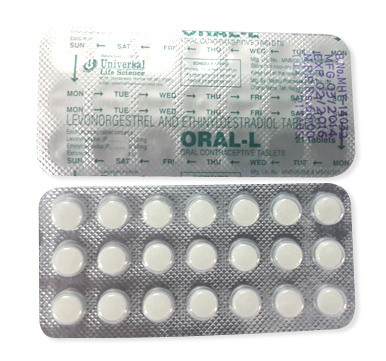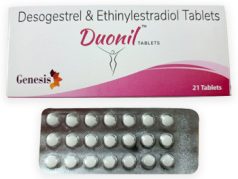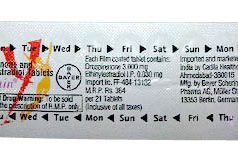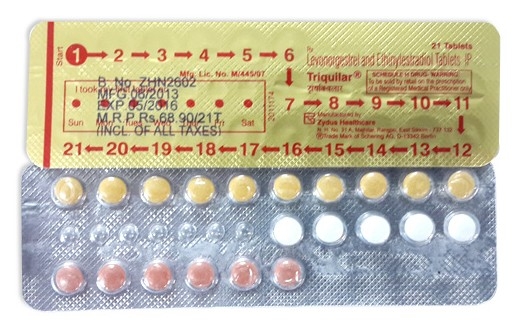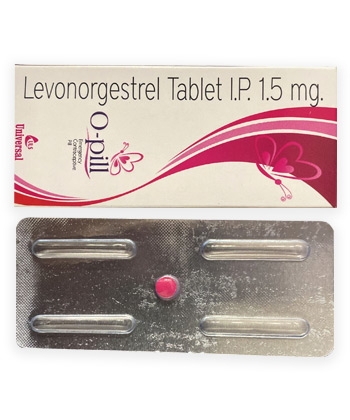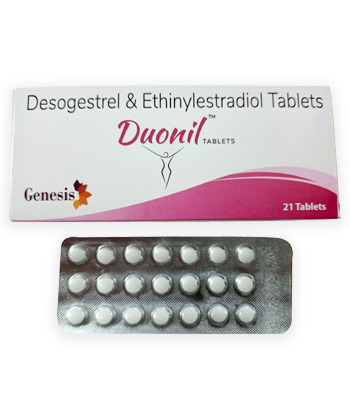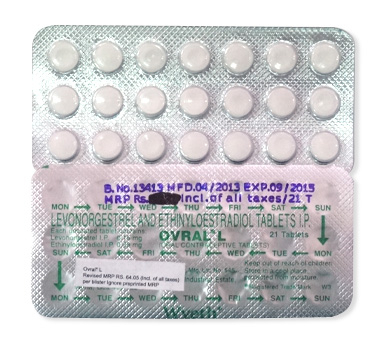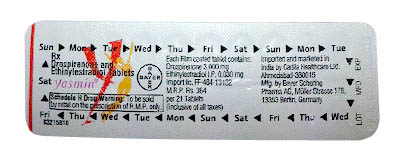
Combined contraceptive pills are one of the most popular birth control methods in the UK, working through hormone regulation by combining synthetic versions of oestrogen and progestogen. These hormones prevent ovulation, thicken cervical mucus, and thin the womb lining to provide over 99% effectiveness when taken correctly.
Several trusted brands are available through UK pharmacies and GP surgeries, including Microgynon, Rigevidon, Yasmin, and Cilique. Each formulation contains different hormone combinations and dosages, allowing healthcare providers to prescribe the most suitable option for individual needs.
Combined pills offer additional advantages including regulated menstrual cycles, reduced period pain, and often improvement in acne and excess hair growth. Many women experience lighter, more predictable periods whilst using this contraceptive method.
Common side effects may include nausea, breast tenderness, mood changes, and breakthrough bleeding during initial months. Women over 35 who smoke, those with blood clot history, or certain medical conditions should avoid combined pills. Always take tablets at the same time daily, and consult your pharmacist immediately if you miss a pill to maintain contraceptive protection.
Progestogen-only pills, commonly known as mini pills, contain only synthetic progestogen hormone without oestrogen. They work primarily by thickening cervical mucus, making it difficult for sperm to reach the egg, and may also suppress ovulation in some cycles.
These pills are particularly suitable for women who cannot take oestrogen-containing contraceptives, including breastfeeding mothers, smokers over 35, and those with certain health conditions such as high blood pressure or migraine with aura.
UK pharmacies stock several progestogen-only brands including Cerazette, Cerelle, and Noriday. When taken correctly within the same three-hour window daily, mini pills achieve over 99% effectiveness in preventing pregnancy.
Potential side effects include irregular bleeding, mood changes, and breast tenderness. Many women find their periods become lighter or may stop altogether, which is medically safe and often welcomed.
Long-Acting Reversible Contraceptives (LARC) are highly effective birth control methods that provide extended protection without daily attention. These methods include contraceptive implants, intrauterine devices (IUDs), and contraceptive injections, all offering exceptional effectiveness rates exceeding 99% when properly administered.
The Nexplanon implant is a small, flexible rod inserted under the skin of your upper arm that releases hormones to prevent pregnancy for up to three years. This discrete method offers numerous benefits including immediate reversibility upon removal and reduced menstrual bleeding for many users. The insertion procedure is quick and performed by a trained healthcare professional using local anaesthetic.
IUDs are T-shaped devices inserted into the uterus, available in both hormonal and non-hormonal options:
The Depo-Provera injection provides three months of contraceptive protection with a single administration. This method is particularly suitable for women who prefer not to take daily pills or cannot use oestrogen-containing contraceptives. Regular appointments every 12 weeks are required to maintain effectiveness.
LARC methods are ideal for various lifestyles, offering convenience and reliability. Potential side effects vary by method but may include changes in menstrual patterns, mood variations, or temporary discomfort during insertion. Fertility typically returns quickly after discontinuation, making these excellent options for temporary or long-term family planning.
Barrier methods provide hormone-free contraception by physically preventing sperm from reaching an egg. These methods offer the additional benefit of immediate fertility return and can be combined with other contraceptive options for enhanced protection.
Condoms are the only contraceptive method that provides dual protection against both unwanted pregnancy and sexually transmitted infections (STIs). Available throughout UK pharmacies, both male and female condoms offer reliable protection when used correctly. Male condoms are worn over the penis, whilst female condoms are inserted into the vagina before intercourse, providing an alternative for those with latex allergies through non-latex options.
These reusable dome-shaped devices are inserted into the vagina before intercourse to cover the cervix. They must be used with spermicide to enhance effectiveness and should remain in place for at least six hours after intercourse. A healthcare professional will fit these devices to ensure proper sizing and provide usage instructions.
Contraceptive sponges contain spermicide and are inserted into the vagina before intercourse. These single-use devices offer moderate effectiveness rates and provide 24-hour protection regardless of frequency of intercourse. Spermicides are available as creams, gels, or foams that chemically disable sperm.
Barrier methods work by creating a physical barrier that prevents sperm from reaching the egg. Key advantages include:
Proper usage is essential for effectiveness. These methods can be combined with hormonal contraceptives or fertility awareness methods for additional protection, making them versatile options for comprehensive family planning strategies.
Emergency contraception provides a crucial safety net when regular contraceptive methods fail or unprotected intercourse occurs. In the UK, several effective options are available through both pharmacies and healthcare providers, each with specific timeframes for optimal effectiveness.
Two main types of emergency contraceptive pills are available in the UK: levonorgestrel and ulipristal acetate. Levonorgestrel, available as Levonelle, is most effective when taken within 72 hours of unprotected intercourse, though it can be used up to 96 hours afterwards with reduced effectiveness. Ulipristal acetate, marketed as ellaOne, offers a longer window of effectiveness and can be taken up to 120 hours (5 days) after unprotected intercourse whilst maintaining higher efficacy rates throughout this period.
The effectiveness of emergency contraception decreases with time, making prompt action essential. Levonorgestrel is approximately 95% effective when taken within 24 hours, dropping to around 85% effectiveness between 25-48 hours, and further declining to 58% between 49-72 hours. EllaOne maintains approximately 95% effectiveness throughout its 120-hour window, making it the preferred option when more than 72 hours have passed.
Emergency contraception is widely accessible across the UK through multiple channels. Levonelle is available without prescription from pharmacies for individuals aged 16 and over, whilst ellaOne requires a prescription from a GP, family planning clinic, or some pharmacies offering emergency hormonal contraception services. Many pharmacies provide private consultation areas where trained pharmacists can assess suitability and provide appropriate advice.
Both medications are available free of charge through NHS services including GP surgeries, family planning clinics, sexual health clinics, and some pharmacies. Private purchase is also possible, with costs varying between pharmacies. Emergency contraception is available regardless of age through NHS services, ensuring comprehensive access for all who require it.
The emergency copper IUD represents the most effective form of emergency contraception, preventing over 99% of pregnancies when fitted within 5 days of unprotected intercourse. In some circumstances, it can be fitted up to 5 days after the earliest estimated ovulation date. This method requires fitting by a trained healthcare professional at a family planning clinic, sexual health clinic, or GP surgery offering IUD services.
The emergency IUD offers the additional benefit of providing ongoing contraception for up to 10 years if the user wishes to continue with this method. It's particularly suitable for individuals seeking long-term contraception or those who cannot use hormonal emergency contraception due to medical contraindications.
Emergency contraception should be considered in various situations where pregnancy risk exists:
During consultation, healthcare providers or pharmacists will discuss the timing of unprotected intercourse, current contraceptive methods, medical history, and any medications that might affect emergency contraception effectiveness. They'll also provide information about ongoing contraception options and sexually transmitted infection testing when appropriate. Follow-up pregnancy testing may be recommended if the next period is late, lighter than usual, or if pregnancy symptoms develop.
Natural family planning (NFP) and fertility awareness methods offer hormone-free approaches to both preventing and achieving pregnancy. These methods involve understanding and tracking natural fertility signs to identify fertile and infertile phases of the menstrual cycle.
Basal body temperature (BBT) tracking involves taking your temperature at the same time each morning before getting out of bed. A woman's basal temperature typically rises by 0.2-0.6°C after ovulation due to progesterone release, indicating the fertile period has passed. This method requires consistent daily temperature recording using a special fertility thermometer accurate to 0.1°C.
Cervical mucus monitoring involves observing daily changes in cervical secretions throughout the menstrual cycle. During fertile periods, cervical mucus becomes clear, stretchy, and resembles raw egg white, facilitating sperm survival and transport. Outside fertile periods, mucus is typically thicker, cloudier, or absent altogether. Learning to recognise these changes requires practice and ideally professional guidance.
Modern fertility awareness has been enhanced by digital tools and smartphone applications that help track multiple fertility indicators simultaneously. These tools can record temperature patterns, cervical mucus observations, cervical position changes, and menstrual cycle information to provide personalised fertility predictions.
Some advanced fertility monitors use additional indicators such as hormone levels in urine or saliva to provide more comprehensive fertility tracking. However, it's important to note that whilst these tools can be helpful aids, they don't replace the need for proper education in fertility awareness methods and should be used alongside, not instead of, professional guidance.
The calendar method, which relies solely on calculating fertile periods based on previous cycle lengths, is generally less reliable than methods incorporating multiple fertility signs. Calendar methods assume regular cycles and consistent ovulation timing, which may not apply to all women, particularly those with irregular cycles, during breastfeeding, or approaching menopause.
When used correctly and consistently, fertility awareness methods can achieve effectiveness rates comparable to other contraceptive methods. However, effectiveness depends heavily on proper training, consistent observation, and careful interpretation of fertility signs. Typical use effectiveness may be lower due to human error or inconsistent application.
Many couples combine natural family planning with barrier contraception during identified fertile periods to increase contraceptive effectiveness whilst maintaining the hormone-free approach. This sympto-thermal method combines temperature tracking, cervical mucus observation, and sometimes additional indicators like cervical position for more accurate fertility awareness.
Barrier methods such as condoms, diaphragms, or cervical caps can be used during fertile periods identified through fertility awareness methods, providing additional protection whilst allowing couples to maintain intimate relationships throughout the cycle. This approach can be particularly appealing to couples who prefer natural methods but desire additional security.
Effective use of natural family planning methods requires proper education and ongoing support. In the UK, certified fertility awareness instructors and family planning clinics offer training in these methods. The training typically covers:
Many couples find that fertility awareness methods provide valuable insights into reproductive health and can be beneficial whether trying to conceive or avoid pregnancy. These methods can help identify potential fertility issues, irregular cycles, or hormonal imbalances that might warrant medical attention. Professional guidance ensures couples can use these methods safely and effectively according to their reproductive goals.