Cancer occurs when cells in the body begin to grow uncontrollably due to genetic mutations that disrupt normal cell division and death processes. These malignant cells can invade nearby tissues and spread to other parts of the body through the bloodstream or lymphatic system, forming secondary tumours or metastases.
In the United Kingdom, the most commonly diagnosed cancers include breast cancer, lung cancer, prostate cancer, bowel cancer, and skin cancer (melanoma). According to Cancer Research UK, these five types account for more than half of all new cancer cases annually. Each type requires specific diagnostic approaches and tailored treatment strategies based on the cancer's stage, location, and individual patient factors.
Modern cancer treatment employs several therapeutic approaches:
These medications work by interfering with cancer cell reproduction, cutting off blood supply to tumours, or marking cancer cells for immune system destruction. Early detection through NHS screening programmes significantly improves treatment outcomes, making adherence to prescribed medication regimens crucial for successful cancer management.
UK oncologists prescribe various chemotherapy medications based on cancer type, stage, and patient-specific factors. These drugs are carefully selected and monitored through NHS cancer services, ensuring patients receive evidence-based treatments according to NICE guidelines.
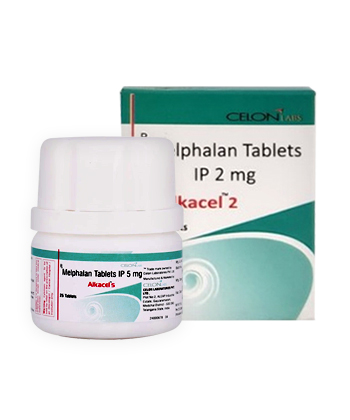
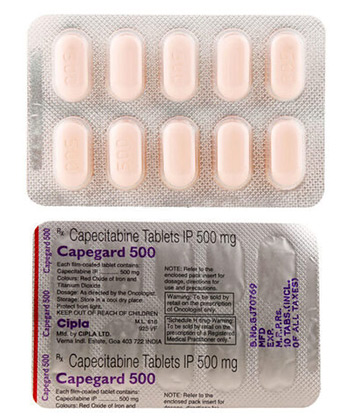
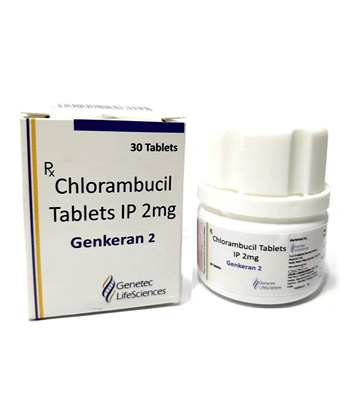
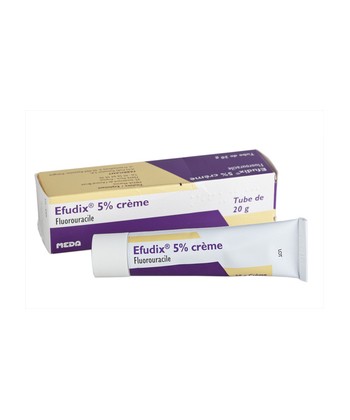
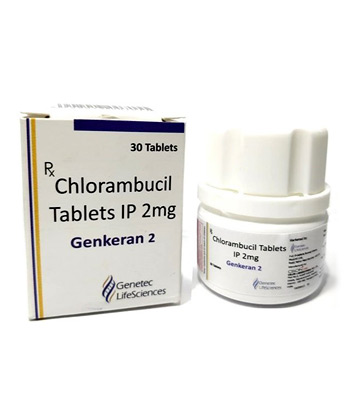
Several oral chemotherapy medications are commonly prescribed across UK cancer centres. Capecitabine is frequently used for colorectal and breast cancers, converting to an active drug within cancer cells. Temozolomide treats brain tumours and certain types of advanced melanoma, crossing the blood-brain barrier effectively. Chlorambucil is prescribed for chronic lymphocytic leukaemia and certain lymphomas, offering a gentler treatment option for older patients or those unable to tolerate more intensive therapies.
These medications target rapidly dividing cancer cells by damaging their DNA or interfering with cell division processes. Treatment typically follows specific cycles with rest periods allowing healthy cells to recover whilst maintaining pressure on cancer cells.
Community pharmacies play a vital role in supporting chemotherapy patients by providing medication counselling, monitoring for side effects, managing drug interactions, and offering practical advice on handling cytotoxic medications safely at home. Specialist oncology pharmacists work closely with local pharmacies to ensure continuity of care.
Targeted cancer therapies represent a revolutionary advancement in oncology treatment, offering a more precise approach compared to traditional chemotherapy. Whilst conventional chemotherapy affects all rapidly dividing cells, targeted therapies specifically attack cancer cells by interfering with particular proteins or genes that drive tumour growth and survival.
Several breakthrough targeted therapies have transformed cancer treatment outcomes in the UK:
Modern cancer care increasingly relies on genetic testing to identify specific mutations within tumours. This precision medicine approach enables oncologists to select the most effective targeted therapy for individual patients, significantly improving treatment success rates whilst minimising unnecessary side effects.
These advanced treatments are available through both NHS cancer services and private healthcare systems across the UK. The NHS provides access to NICE-approved targeted therapies, ensuring patients receive cutting-edge treatments based on their specific cancer profile and clinical need.
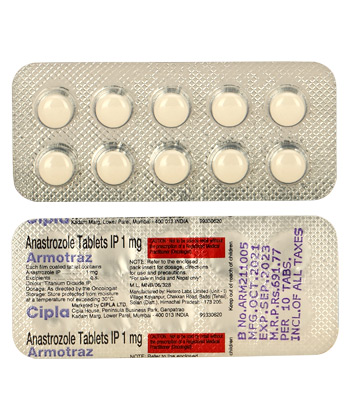
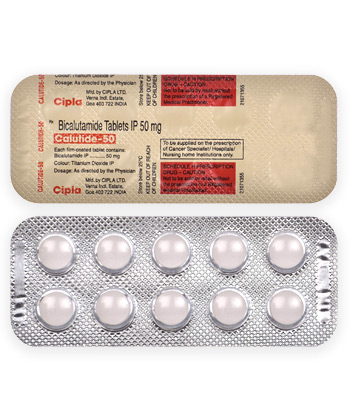
Hormone therapy plays a crucial role in treating cancers that depend on hormones for growth, particularly breast and prostate cancers. This treatment approach works by blocking the body's natural hormones or interfering with their ability to fuel cancer cell development.
Key hormone therapy treatments available in the UK include:
Hormone therapy typically requires long-term treatment, often lasting five to ten years. Regular monitoring is essential to assess treatment effectiveness and manage potential side effects, which may include hot flushes, mood changes, and bone density reduction. Healthcare providers conduct routine blood tests and bone scans to ensure patient safety throughout treatment.
Treatment adherence is vital for optimal outcomes. Patients should maintain open communication with their healthcare team regarding side effects, as various strategies and supportive medications are available to improve quality of life during hormone therapy treatment.
Cancer treatment often brings challenging side effects that require careful management to maintain patient comfort and treatment adherence. Modern supportive care focuses on preventing and managing these complications whilst preserving quality of life throughout the treatment journey.
Nausea and vomiting are amongst the most common and distressing side effects of cancer treatment. Effective anti-emetic medications include:
Cancer-related pain requires a multimodal approach, ranging from paracetamol and NSAIDs for mild discomfort to stronger opioids for severe pain. Treatment-related complications such as mucositis, neuropathy, and immunosuppression require specific interventions including protective mouthwashes, neuropathic pain medications, and infection prevention strategies.
Nutritional supplements help address treatment-related appetite loss and malabsorption. Focus remains on maintaining functional independence, managing fatigue, and providing psychological support to ensure the best possible quality of life during treatment.
The NHS provides comprehensive access to cancer medications through established pathways designed to ensure timely and appropriate treatment delivery. Understanding these systems helps patients navigate their care journey more effectively.
Cancer medications are typically prescribed through specialist oncology units following multidisciplinary team decisions. Most cancer treatments are exempt from prescription charges under NHS regulations. Hospital pharmacies coordinate with community pharmacies to ensure seamless medication supply, whilst shared care protocols enable GPs to participate in ongoing treatment monitoring.
Specialist cancer pharmacies provide enhanced services including:
Various charities offer financial assistance for cancer-related expenses, whilst patient assistance programmes help with medication access. Home delivery services are available for oral cancer treatments, reducing hospital visits. Pharmaceutical counselling remains essential, providing ongoing monitoring for drug interactions, adherence support, and early identification of treatment complications to optimise therapeutic outcomes.