Hypertension, often called the "silent killer," affects over 14 million adults in the UK, frequently presenting without obvious symptoms until serious complications develop. Blood pressure readings consist of two measurements: systolic pressure (when the heart beats) and diastolic pressure (when the heart rests between beats). Normal blood pressure is typically below 120/80 mmHg, whilst readings consistently above 140/90 mmHg indicate hypertension.
Multiple risk factors contribute to high blood pressure, including advancing age, family history, obesity, excessive salt intake, lack of physical activity, smoking, and excessive alcohol consumption. If left untreated, hypertension significantly increases the risk of stroke, heart attack, kidney disease, and heart failure.
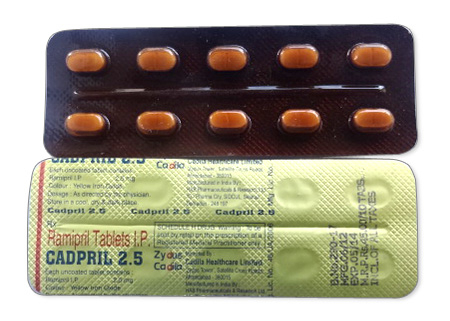
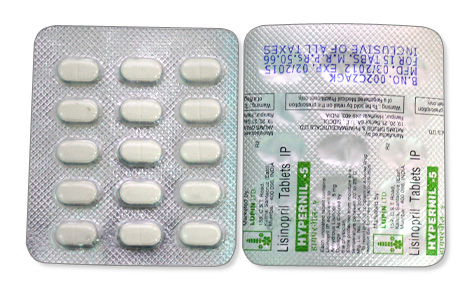
Several effective medication classes are available through UK pharmacies:
Lifestyle modifications including regular exercise, maintaining a healthy weight, reducing salt intake, and limiting alcohol consumption are crucial alongside medication. Regular blood pressure monitoring and prompt medical consultation for persistently elevated readings are essential for preventing complications.
Heart failure occurs when the heart cannot pump blood effectively throughout the body, affecting approximately 920,000 people in the UK. This condition develops when the heart muscle becomes weakened or stiffened, compromising its ability to fill with blood or pump adequately. Heart failure can be classified as systolic dysfunction (reduced pumping ability) or diastolic dysfunction (impaired filling), and may present as acute episodes requiring immediate medical attention or chronic, long-term conditions.
Common symptoms include persistent shortness of breath, particularly during exertion or when lying flat, unexplained fatigue, ankle and leg swelling, and significantly reduced exercise tolerance. Risk factors include previous heart attacks, longstanding high blood pressure, diabetes, coronary artery disease, and certain medications or infections that damage the heart muscle.
Effective treatments available in the UK include:
Successful management requires strict medication adherence, regular monitoring by healthcare professionals, and significant lifestyle modifications including salt restriction, fluid management, and gradual exercise programmes tailored to individual capabilities.
Coronary artery disease (CAD) develops when the coronary arteries that supply blood to the heart muscle become narrowed due to atherosclerosis—the buildup of fatty deposits, cholesterol, and other substances forming plaques within artery walls. This progressive condition restricts blood flow to the heart, potentially leading to chest pain (angina) and increased risk of heart attack.
Angina manifests in several forms, each requiring different management approaches. Stable angina occurs predictably during physical exertion or emotional stress and typically subsides with rest. Unstable angina is more serious, occurring unpredictably and potentially signalling an impending heart attack. Variant angina, also known as Prinzmetal's angina, results from coronary artery spasm and often occurs at rest.
Key risk factors include smoking, diabetes, high cholesterol, high blood pressure, obesity, sedentary lifestyle, and family history of heart disease. Symptoms typically present as chest pain or discomfort, often described as pressure, squeezing, or burning sensation. Pain may radiate to the left arm, jaw, neck, or back, frequently accompanied by breathlessness, nausea, or sweating.
Distinguishing between stable angina and heart attack warning signs is crucial. Stable angina episodes are typically brief and respond to rest or medication, whilst heart attack symptoms persist longer, are more severe, and may include cold sweats and overwhelming anxiety.
Emergency protocols emphasise the importance of using GTN spray at the first sign of chest pain, with medical attention sought if symptoms persist after three doses. Cardiac rehabilitation programmes play a vital role in recovery and long-term management.
Understanding cholesterol requires knowledge of its different components and their roles in cardiovascular health. Low-density lipoprotein (LDL) cholesterol, often termed "bad" cholesterol, contributes to arterial plaque formation. High-density lipoprotein (HDL) cholesterol, the "good" cholesterol, helps transport cholesterol away from arteries to the liver for disposal. Triglycerides, another blood fat, can also contribute to cardiovascular risk when elevated.
Atherosclerosis begins when LDL cholesterol penetrates artery walls, becoming oxidised and triggering an inflammatory response. This process leads to plaque formation, gradually narrowing arteries and reducing blood flow. Over time, these plaques may rupture, causing blood clots that can completely block arteries, resulting in heart attacks or strokes.
UK healthcare professionals utilise the QRISK3 calculator to assess cardiovascular risk, incorporating factors such as age, gender, ethnicity, medical history, and lifestyle factors. This tool helps determine the 10-year risk of developing cardiovascular disease and guides treatment decisions according to NICE guidelines.
NICE recommends considering statin therapy for primary prevention when the 10-year cardiovascular risk exceeds 10%. Target cholesterol levels vary based on individual risk factors, with high-risk patients typically aiming for total cholesterol below 4.0 mmol/L and LDL cholesterol below 2.0 mmol/L. For patients with established cardiovascular disease, more aggressive targets may apply, often requiring combination therapy with multiple lipid-lowering medications to achieve optimal cholesterol control and reduce future cardiovascular events.
Statins remain the cornerstone of cholesterol management in the UK, with extensive evidence supporting their cardiovascular benefits. The most commonly prescribed statins include Atorvastatin, Simvastatin, and Rosuvastatin, each offering proven efficacy in reducing LDL cholesterol levels and cardiovascular events. These medications work by inhibiting HMG-CoA reductase, the key enzyme in cholesterol synthesis, typically reducing LDL cholesterol by 30-50%.
For patients requiring additional cholesterol reduction or those intolerant to statins, several alternative medications are available:
Medication therapy should be complemented by comprehensive lifestyle modifications, including a Mediterranean-style diet rich in fruits, vegetables, and wholegrains, whilst limiting saturated fats. Regular physical activity of at least 150 minutes of moderate-intensity exercise weekly is recommended. Essential monitoring includes baseline and follow-up liver function tests, particularly during the first 12 weeks of statin therapy, with subsequent annual monitoring for most patients.
Atrial fibrillation (AF) represents the most prevalent cardiac arrhythmia in the UK, affecting over one million people. This irregular heart rhythm occurs when the heart's upper chambers (atria) beat chaotically, disrupting normal blood flow. AF is classified into three main types: paroxysmal (episodes lasting less than 7 days), persistent (continuous episodes lasting more than 7 days), and permanent (accepted long-term AF where rhythm control is no longer pursued).
Common symptoms include palpitations, breathlessness, chest discomfort, dizziness, and fatigue. However, some patients may be asymptomatic, making routine screening important, particularly in older adults or those with cardiovascular risk factors.
Stroke risk stratification using the CHA2DS2-VASc scoring system is fundamental to AF management. This tool considers factors including congestive heart failure, hypertension, age, diabetes, previous stroke, vascular disease, and female sex. Concurrently, bleeding risk assessment using the HAS-BLED score helps balance anticoagulation benefits against potential bleeding complications.
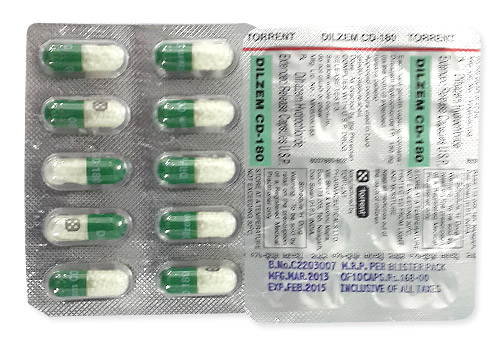
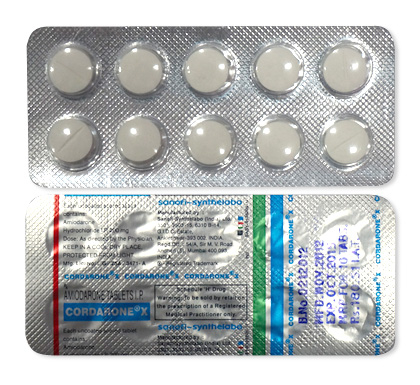
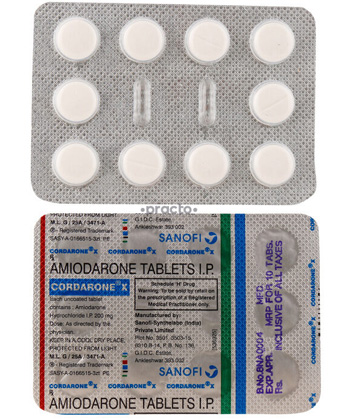
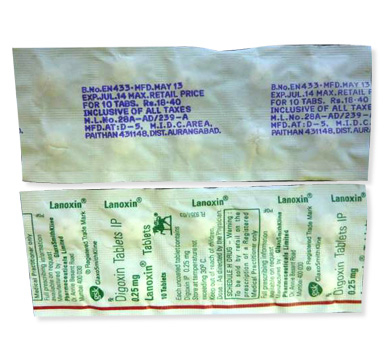
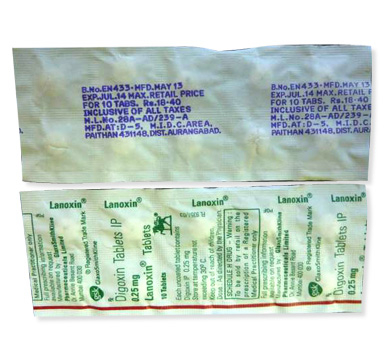
AF management follows two primary approaches: rate control and rhythm control. Rate control medications include beta-blockers (such as bisoprolol or metoprolol), calcium channel blockers (diltiazem or verapamil), and digoxin for patients with heart failure. Rhythm control drugs encompass amiodarone for various AF types, flecainide for structurally normal hearts, and dronedarone as an alternative to amiodarone with fewer side effects.
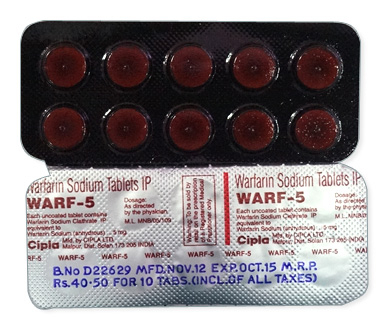
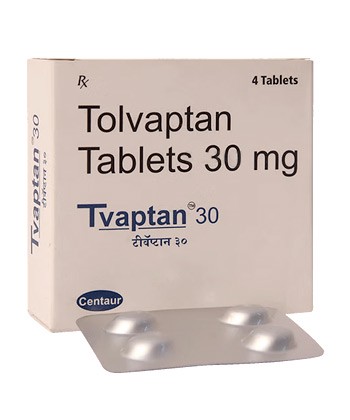
Anticoagulation therapy is crucial for stroke prevention, with options including traditional warfarin requiring regular INR monitoring, and direct oral anticoagulants (DOACs) such as apixaban, rivaroxaban, dabigatran, and edoxaban, which offer more predictable anticoagulation without routine monitoring requirements. Regular assessment of renal function, drug interactions, and adherence is essential for optimal outcomes.
Stroke occurs when blood supply to part of the brain is interrupted, classified as either ischaemic (85% of cases, caused by blocked blood vessels) or haemorrhagic (15% of cases, caused by bleeding in the brain). Rapid recognition using the FAST assessment is crucial: Face drooping, Arm weakness, Speech difficulties, and Time to call emergency services. Additional signs may include sudden severe headache, vision loss, or coordination problems.
Major stroke risk factors include atrial fibrillation, hypertension, diabetes mellitus, smoking, high cholesterol, and previous cardiovascular events. Age, family history, and certain ethnic backgrounds also increase risk. Prevention strategies focus on managing modifiable risk factors through medication and lifestyle changes.
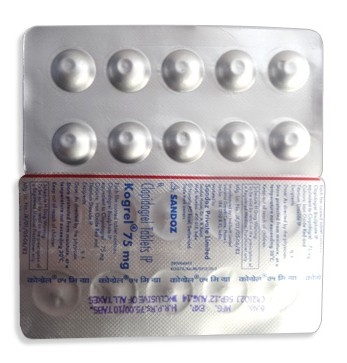
Stroke prevention medications vary based on underlying risk factors:
Following a stroke, comprehensive rehabilitation involving physiotherapy, occupational therapy, and speech therapy is vital for optimal recovery. Long-term medication adherence for secondary prevention significantly reduces recurrent stroke risk. Regular monitoring includes blood pressure checks, cholesterol levels, HbA1c in diabetic patients, and anticoagulation parameters when appropriate. Patient education regarding medication importance, lifestyle modifications, and recognition of warning signs ensures optimal long-term outcomes.