Cholesterol is a waxy, fat-like substance that occurs naturally in your body and is essential for normal cellular function. Your liver produces most of the cholesterol your body needs, whilst the remainder comes from dietary sources. Whilst cholesterol serves important functions in hormone production and cell membrane maintenance, elevated levels in the blood can lead to serious cardiovascular complications, making cholesterol management crucial for long-term health.
Cholesterol travels through your bloodstream in particles called lipoproteins, which are classified into different types based on their density and function. Low-density lipoprotein (LDL), often referred to as "bad" cholesterol, can accumulate in artery walls and contribute to cardiovascular disease. High-density lipoprotein (HDL), known as "good" cholesterol, helps transport cholesterol away from arteries to the liver for disposal. Total cholesterol represents the combined measurement of all cholesterol types in your blood.
Several factors can contribute to elevated cholesterol levels, including genetics, diet, physical activity, age, and underlying health conditions. High cholesterol significantly increases your risk of developing coronary heart disease, stroke, and peripheral arterial disease. When cholesterol builds up in arterial walls, it forms plaques that can narrow or block blood vessels, potentially leading to heart attacks or strokes. Other risk factors include smoking, diabetes, high blood pressure, and family history of cardiovascular disease.
The NHS recommends maintaining specific cholesterol targets for optimal cardiovascular health. For healthy adults, total cholesterol should ideally be below 5.0 mmol/L, with LDL cholesterol under 3.0 mmol/L. Individuals with existing cardiovascular disease or diabetes may require more stringent targets, typically with total cholesterol below 4.0 mmol/L and LDL below 2.0 mmol/L. HDL cholesterol levels should exceed 1.0 mmol/L for men and 1.2 mmol/L for women to provide adequate cardiovascular protection.
The NHS recommends cholesterol screening for all adults aged 40 and over as part of the cardiovascular health check programme. However, testing may be advised earlier for individuals with risk factors such as family history of heart disease, diabetes, or other cardiovascular risk factors. Following initial assessment, monitoring frequency depends on your results and risk profile, with annual checks typically recommended for those on cholesterol-lowering medication and every five years for individuals with normal levels.
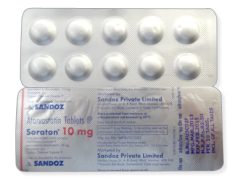
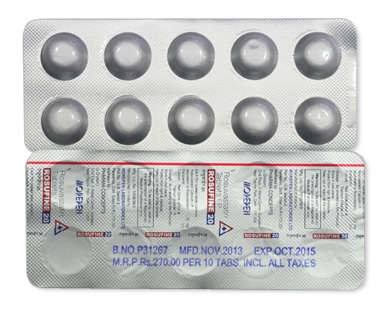
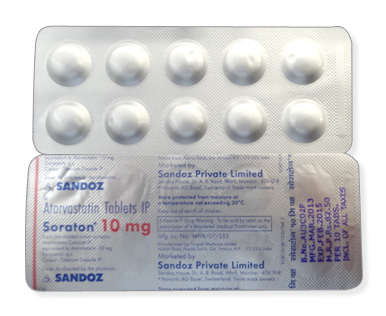
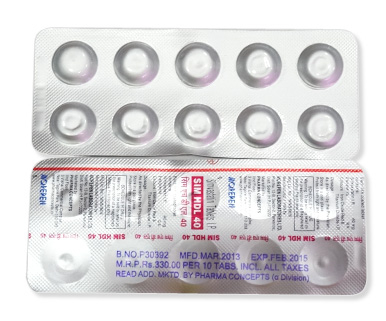
Statins represent the most commonly prescribed class of cholesterol-lowering medications in the UK and are considered the gold standard for cardiovascular risk reduction. The three primary statins available through NHS prescriptions include atorvastatin, simvastatin, and rosuvastatin. Atorvastatin is often the first-line choice due to its proven effectiveness and safety profile, whilst rosuvastatin is typically reserved for patients requiring more intensive cholesterol reduction. Simvastatin remains widely used and is available in various strengths to accommodate individual treatment needs.
Statins function by inhibiting HMG-CoA reductase, the key enzyme responsible for cholesterol synthesis in the liver. By blocking this enzyme, statins effectively reduce the liver's cholesterol production, prompting liver cells to increase their uptake of LDL cholesterol from the bloodstream. This mechanism not only lowers total and LDL cholesterol levels but also provides additional cardiovascular benefits, including plaque stabilisation and improved endothelial function, contributing to overall heart health improvement.
Whilst statins are generally well-tolerated, some patients may experience side effects that require monitoring and management. The most commonly reported adverse effects include:
Serious complications such as rhabdomyolysis (severe muscle breakdown) are rare but require immediate medical attention. Patients should inform their healthcare provider about any muscle pain or weakness whilst taking statins.
In the United Kingdom, all statin medications are classified as prescription-only medicines (POMs) and require a valid prescription from a qualified healthcare professional. UK pharmacies stock various formulations and strengths of atorvastatin, simvastatin, and rosuvastatin to meet diverse patient needs. These medications are available under both brand names and generic formulations, with the NHS typically favouring cost-effective generic options where clinically appropriate.
Healthcare professionals consider multiple factors when determining whether to prescribe cholesterol-lowering medication, including your 10-year cardiovascular risk assessment using tools such as QRISK. Statins are typically recommended for individuals with a cardiovascular risk of 10% or higher over the next decade, regardless of baseline cholesterol levels. Prescription is also considered for patients with existing cardiovascular disease, diabetes, familial hypercholesterolaemia, or those who haven't achieved target cholesterol levels through lifestyle modifications alone. Your GP will assess your individual circumstances and discuss the potential benefits and risks before recommending treatment.
A range of over-the-counter products are available to support healthy cholesterol levels alongside prescribed medications and lifestyle modifications. These supplements can play a valuable role in comprehensive cholesterol management when used appropriately.
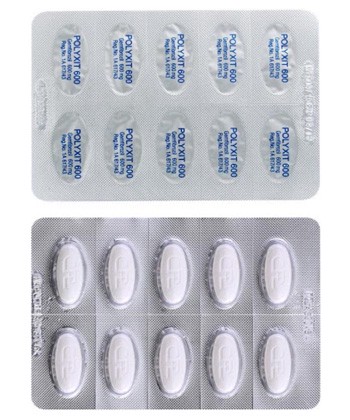
Plant sterols and stanols are naturally occurring compounds that can help reduce cholesterol absorption in the digestive system. These supplements are available in capsule form and have been shown to lower LDL cholesterol by up to 10% when taken regularly as part of a balanced diet.
These over-the-counter products work most effectively when combined with dietary improvements, regular exercise, and weight management. It's important to consult with a pharmacist or healthcare professional before starting any new supplement regimen, particularly if you're already taking cholesterol-lowering medications.
Natural supplements offer additional support for cardiovascular health and cholesterol management. Many of these products contain well-researched ingredients that have demonstrated benefits for heart health in clinical studies.
Garlic supplements are amongst the most researched natural products for cardiovascular support, with studies suggesting they may help reduce total cholesterol levels and support healthy blood pressure. Coenzyme Q10 supplements are particularly beneficial for individuals taking statin medications, as they help replenish levels that may be depleted by these drugs.
When combining multiple supplements or taking them alongside prescription medications, it's essential to seek professional guidance. Some natural products can interact with medications or affect blood clotting, making pharmacist consultation particularly important for safe and effective use.
Adopting a heart-healthy diet is fundamental to managing cholesterol levels effectively. Focus on incorporating foods rich in soluble fibre such as oats, beans, and lentils, which can help reduce LDL (bad) cholesterol. Choose lean proteins like fish, poultry, and plant-based alternatives whilst limiting red meat consumption. Opt for healthy fats found in olive oil, avocados, and nuts rather than saturated and trans fats commonly found in processed foods.
Regular physical activity plays a crucial role in cholesterol management. The NHS recommends at least 150 minutes of moderate-intensity exercise weekly, such as brisk walking, cycling, or swimming. Even modest weight loss of 5-10% can significantly improve cholesterol levels and overall cardiovascular health.
Key lifestyle modifications include:
Regular cholesterol monitoring is essential for maintaining cardiovascular health. Adults over 40 should have their cholesterol checked every five years as part of the NHS Health Check programme. Those with existing risk factors may require more frequent testing. Your GP will assess your total cholesterol, LDL, HDL, and triglyceride levels to determine your cardiovascular risk.
Collaborating with healthcare professionals ensures comprehensive cholesterol management. Your GP can provide personalised advice, prescribe medications when necessary, and monitor your progress. Many pharmacies across the UK offer cholesterol testing services and consultations, making healthcare more accessible and convenient.
Local pharmacies provide valuable support through:
Seek urgent medical attention if you experience chest pain, shortness of breath, or other cardiovascular symptoms, as these may indicate serious complications requiring immediate intervention.