Diabetes is a chronic medical condition that occurs when your body cannot properly regulate blood glucose levels. This happens either because your pancreas doesn't produce enough insulin or because your body cannot effectively use the insulin it produces. Insulin is a hormone that helps glucose from food enter your cells to be used for energy.
Type 1 diabetes is an autoimmune condition where the body's immune system attacks insulin-producing cells in the pancreas. It typically develops in childhood or young adulthood and requires lifelong insulin treatment. Type 2 diabetes is the most common form, accounting for about 90% of cases in the UK. It usually develops gradually when the body becomes resistant to insulin or doesn't produce enough. Gestational diabetes occurs during pregnancy and usually resolves after childbirth, though it increases the risk of developing Type 2 diabetes later.
Common risk factors include family history, being overweight, lack of physical activity, age over 40, and certain ethnic backgrounds. Key symptoms to watch for include:
Proper diagnosis through blood tests is crucial for effective treatment. Regular blood sugar monitoring helps track how well your diabetes management plan is working. If left untreated, diabetes can lead to serious complications including heart disease, kidney damage, nerve problems, and vision loss. However, with proper lifestyle changes including healthy eating, regular exercise, weight management, and appropriate medication, people with diabetes can live full, healthy lives whilst effectively managing their condition.
Regular blood glucose monitoring is fundamental to successful diabetes management. It provides valuable information about how food, exercise, medication, stress, and illness affect your blood sugar levels. This data helps you and your healthcare team make informed decisions about your treatment plan and identify patterns that may require adjustments.
In the UK, various glucose meters are available through the NHS and private purchase. These devices require test strips specific to your meter model and lancets for obtaining blood samples. When selecting a glucose meter, consider factors such as accuracy, ease of use, memory storage, and whether test strips are readily available. Many modern meters offer features like smartphone connectivity, large displays, and audio guidance for those with visual impairments.
To ensure accurate readings, wash your hands thoroughly before testing and use the side of your fingertip rather than the centre. Rotate testing sites to prevent soreness and calluses. Follow your meter's instructions carefully and store test strips in a cool, dry place away from direct sunlight.
The NHS recommends target blood glucose levels of:
Testing frequency varies depending on your diabetes type and treatment plan. Many people test before meals, at bedtime, and occasionally two hours after eating. Continuous glucose monitoring systems offer real-time glucose readings throughout the day and night, providing comprehensive data without frequent finger-prick tests.
The NHS and UK pharmacies provide comprehensive access to a wide range of diabetes medications, ensuring patients receive appropriate treatment tailored to their specific needs. Understanding the different types of medications available is crucial for effective diabetes management.
Insulin therapy remains the cornerstone of Type 1 diabetes treatment and is increasingly used for Type 2 diabetes when other medications prove insufficient. UK patients have access to four main categories of insulin, each designed to mimic natural insulin production patterns.
Popular insulin brands prescribed across the UK include NovoRapid for mealtime coverage, Humalog for rapid glucose control, and long-acting options like Lantus and Levemir for baseline insulin requirements. These medications are readily available through NHS prescriptions at UK pharmacies.
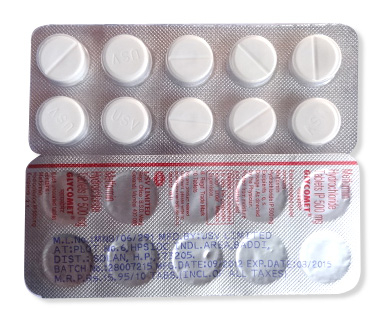
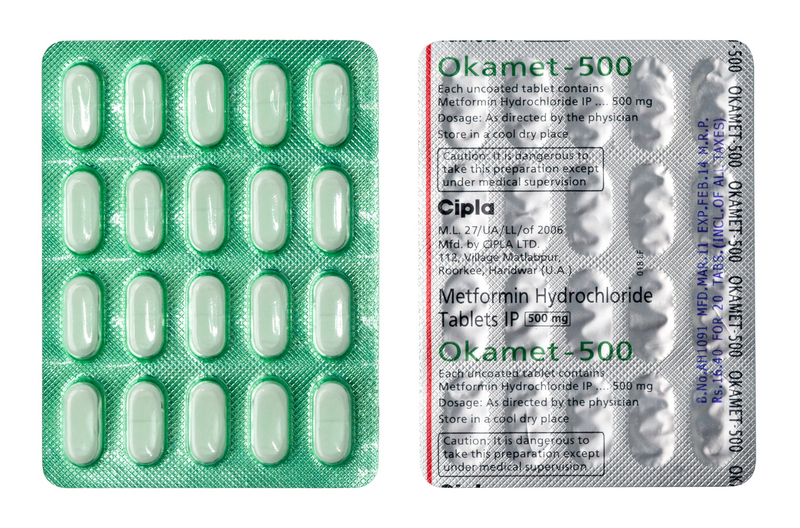
For Type 2 diabetes management, oral medications often serve as the first line of treatment. Metformin stands as the gold standard initial therapy, recommended by NICE guidelines for its proven efficacy in reducing blood glucose levels whilst offering additional benefits including weight management and cardiovascular protection.
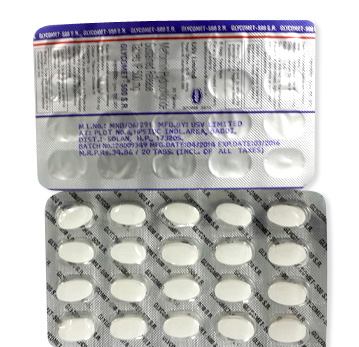
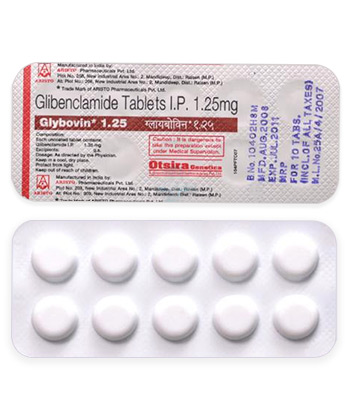
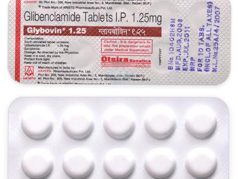
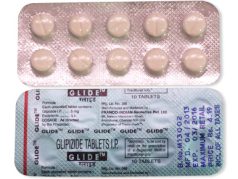
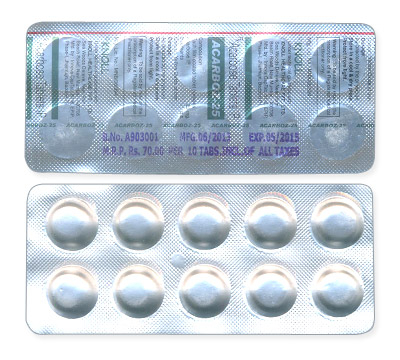
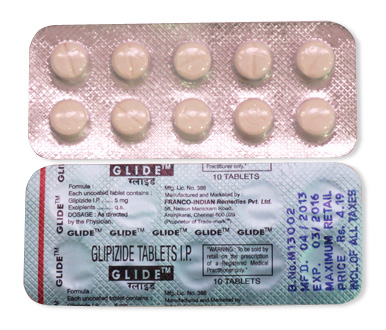
Beyond metformin, UK healthcare providers prescribe various oral medications depending on individual patient needs. Sulfonylureas help stimulate insulin production, whilst DPP-4 inhibitors work by increasing insulin release when glucose levels rise. SGLT-2 inhibitors offer a unique mechanism by preventing glucose reabsorption in the kidneys, often providing additional cardiovascular and renal benefits.
Injectable non-insulin medications, particularly GLP-1 receptor agonists, represent significant advances in diabetes care. These medications not only improve blood glucose control but often promote weight loss, making them particularly valuable for overweight patients with Type 2 diabetes.
Combination therapies become necessary when single medications fail to achieve target glucose levels. UK diabetes specialists carefully assess each patient's response to treatment, lifestyle factors, and other health conditions before prescribing combination regimens, ensuring optimal outcomes whilst minimising potential side effects.
Proper insulin delivery is crucial for effective diabetes management. Our comprehensive range of insulin delivery systems ensures you have access to the most suitable method for your lifestyle and medical needs, all available through NHS prescriptions.
Traditional insulin syringes remain a reliable and cost-effective option for many patients. Available in various sizes including 0.3ml, 0.5ml, and 1ml capacities with ultra-fine needles ranging from 29G to 31G. These single-use syringes provide precise dosing and are particularly suitable for patients requiring mixed insulin types or those comfortable with traditional injection methods.
Insulin pens offer convenience and discretion for daily diabetes management. Our selection includes both disposable and reusable pen systems compatible with all major insulin brands. Pen needles are available in lengths from 4mm to 8mm, designed to reduce injection pain whilst ensuring proper insulin delivery. Many patients find pens more convenient for work, travel, and social situations.
For patients requiring intensive insulin therapy, insulin pumps provide continuous subcutaneous insulin infusion. These sophisticated devices offer precise basal rates and bolus dosing, helping achieve optimal glucose control. Pump supplies including infusion sets, reservoirs, and adhesive patches are available through specialist diabetes services.
Safe needle disposal is essential for protecting yourself, your family, and the community. We provide sharps disposal containers in various sizes, from compact travel containers to larger household units. Never dispose of needles in regular household waste - always use approved sharps containers and follow your local council's guidelines for safe disposal.
Most insulin delivery supplies are available on NHS prescription. Your GP or diabetes specialist nurse can prescribe appropriate quantities based on your individual needs. Generally, you're entitled to sufficient supplies for one month's treatment, including needles, testing strips, and other essential diabetes supplies.
Living with diabetes requires attention to overall health and wellbeing. Our diabetes care essentials range addresses the unique health challenges faced by people with diabetes, from specialised foot care to emergency glucose supplies.
Diabetic foot care is paramount due to reduced circulation and sensation that can accompany diabetes. Our specialist range includes:
Diabetes can affect skin health, making it more prone to dryness, infections, and slow healing. Our diabetic skincare range features fragrance-free moisturisers, gentle cleansers with balanced pH, and specialised products for managing dry, sensitive skin conditions commonly experienced by diabetic patients.
Diabetic patients often experience slower wound healing due to reduced circulation and immune response. Our wound care selection includes sterile dressings, antiseptic solutions, hydrogel treatments, and protective bandages specifically designed to promote healing whilst preventing infection in diabetic patients.
Rapid-acting glucose products are essential for treating hypoglycaemic episodes. Our range includes fast-dissolving glucose tablets in various flavours, glucose gels for severe episodes, and glucose drinks. These products provide 15-20g of fast-acting carbohydrates to quickly raise blood sugar levels during emergencies.
Supporting your diabetes management through lifestyle choices and targeted nutrition can complement your prescribed treatment plan. Our carefully selected range of supplements and lifestyle products may help support your overall diabetes management strategy.
Certain supplements may provide additional support alongside your prescribed diabetes treatment. Popular options include chromium supplements, which may help improve insulin sensitivity, alpha-lipoic acid for antioxidant support, and cinnamon extract supplements. Always consult your healthcare provider before starting any new supplements, especially if you're taking diabetes medications.
Our nutritional range includes low-glycaemic index foods, sugar-free alternatives, and specially formulated meal replacement shakes designed for diabetic dietary requirements. These products can help maintain stable blood glucose levels whilst providing essential nutrients for overall health.
Maintaining a healthy weight is crucial for diabetes management. Our weight management section includes:
Knowledge is power in diabetes management. We stock comprehensive guides on carbohydrate counting, blood glucose pattern recognition, and lifestyle modification strategies. These resources, developed by diabetes educators and healthcare professionals, provide valuable information to help you take control of your diabetes management journey.