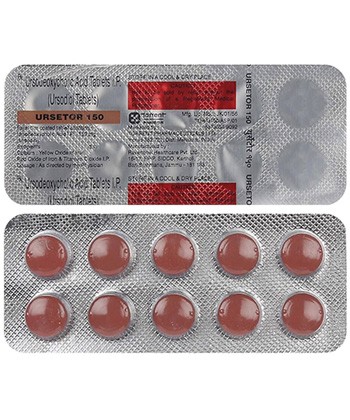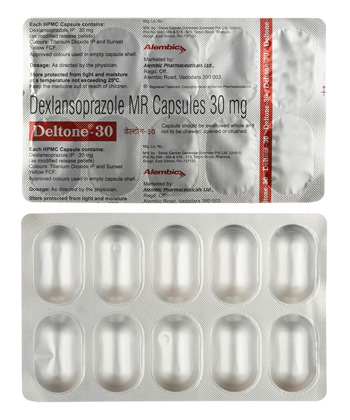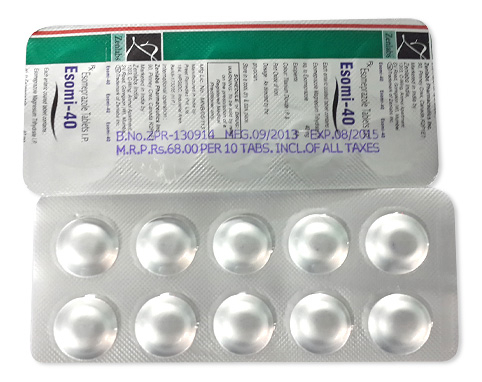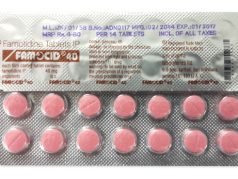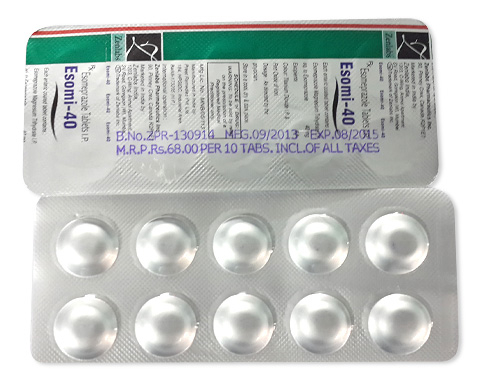
Acid reflux and heartburn are common digestive complaints affecting millions across the UK. Acid reflux occurs when stomach acid flows back into the oesophagus, causing the characteristic burning sensation known as heartburn. Common symptoms include chest pain, regurgitation, difficulty swallowing, and a sour taste in the mouth. These conditions can significantly impact daily life, affecting sleep quality, meal enjoyment, and overall comfort.
The UK market offers various effective treatments for acid reflux management:
Whilst over-the-counter options provide relief for occasional symptoms, persistent heartburn lasting more than two weeks warrants medical consultation. Healthcare professionals can prescribe stronger medications and rule out serious conditions. Lifestyle modifications including smaller meals, avoiding trigger foods, maintaining a healthy weight, and elevating the head whilst sleeping can significantly reduce symptoms alongside pharmaceutical treatments.
Digestive enzymes are essential proteins that break down food into nutrients your body can absorb effectively. These specialised enzymes target proteins, carbohydrates, and fats, ensuring optimal digestion and nutrient uptake. When enzyme production is insufficient, symptoms such as bloating, gas, indigestion, and nutrient deficiencies may occur, affecting overall digestive wellness.
The UK market provides comprehensive digestive support options tailored to individual needs:
Maintaining a healthy gut microbiome is crucial for digestive health, immune function, and overall wellbeing. The beneficial bacteria in probiotics help restore intestinal balance, particularly after antibiotic use or during digestive distress. When selecting digestive support supplements, consider your specific symptoms, dietary requirements, and any underlying health conditions. Quality supplements with clinically proven strains and appropriate CFU counts offer the most reliable digestive benefits.
Digestive irregularities such as diarrhoea and constipation are common conditions that can significantly impact daily life. Acute episodes typically last a few days and may result from dietary changes, stress, infections, or medications, whilst chronic conditions persist for weeks and often require ongoing management strategies.
Understanding the underlying causes helps in selecting appropriate treatment. Common triggers include dietary indiscretions, food intolerances, viral or bacterial infections, certain medications, stress, and underlying medical conditions such as irritable bowel syndrome.
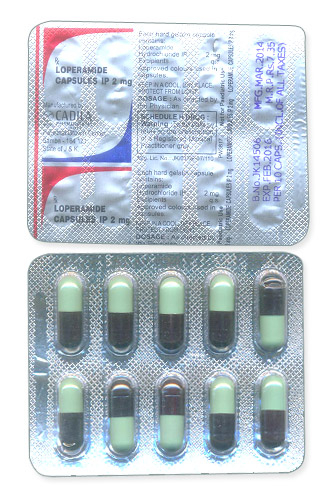
UK pharmacies stock various effective treatments for diarrhoea management. Loperamide, available as Imodium or generic alternatives, remains the first-line treatment for acute diarrhoea by slowing intestinal motility. Oral rehydration solutions help replace lost fluids and electrolytes, whilst probiotics can restore healthy gut bacteria and support digestive balance during recovery.
Several types of laxatives address different aspects of constipation:
Always follow recommended dosages and consult a pharmacist if symptoms persist beyond recommended treatment duration or worsen. Seek immediate medical attention for severe symptoms including blood in stools, persistent vomiting, or signs of dehydration.
Nausea manifests in various forms, from travel-related motion sickness to general queasiness caused by infections, medications, or digestive disorders. Motion sickness occurs when conflicting signals between the inner ear, eyes, and body confuse the brain's balance centre, typically triggered by car journeys, sea travel, or amusement park rides.
UK pharmacies offer several effective over-the-counter options for nausea relief. Cyclizine tablets provide reliable treatment for motion sickness and general nausea, whilst hyoscine hydrobromide patches offer convenient, long-lasting protection for extended travel. Domperidone helps with specific types of nausea by promoting stomach emptying, though it requires careful consideration of contraindications.
Many people prefer natural remedies for nausea management. Ginger supplements and preparations have demonstrated clinical effectiveness for various types of nausea, including motion sickness. Acupressure bands apply gentle pressure to specific wrist points and offer drug-free relief for sensitive individuals or those preferring non-pharmaceutical approaches.
Effective motion sickness prevention includes:
Pregnant women should consult healthcare professionals before using anti-nausea medications, as certain options may be unsuitable during pregnancy. Ginger preparations often provide safe, effective relief for pregnancy-related nausea.
Inflammatory bowel conditions affect approximately 500,000 people across the UK, with Crohn's disease and ulcerative colitis being the most prevalent forms. These chronic conditions require comprehensive management strategies that combine medical treatment with supportive care available through community pharmacies.
It's essential to distinguish between inflammatory bowel disease (IBD) and irritable bowel syndrome (IBS). IBD involves chronic inflammation of the digestive tract with visible tissue damage, whilst IBS is a functional disorder affecting bowel movements without inflammation. IBD symptoms typically include persistent abdominal pain, bloody stools, and weight loss, whereas IBS primarily causes cramping, bloating, and altered bowel habits.
Aminosalicylates like mesalazine remain first-line treatments for mild to moderate flares. Corticosteroids provide rapid inflammation control during acute episodes, whilst immunomodulators and biologics offer long-term disease modification. Your pharmacist works closely with gastroenterology teams to ensure optimal medication management and monitoring for treatment efficacy and potential side effects.
Stomach ulcers and gastritis affect thousands of UK residents annually, often resulting from Helicobacter pylori infection, prolonged NSAID use, or excessive stomach acid production. Understanding risk factors and implementing appropriate protection strategies is crucial for maintaining gastric health and preventing complications.
Major risk factors include regular NSAID use, H. pylori bacterial infection, excessive alcohol consumption, smoking, and high stress levels. Individuals taking long-term anti-inflammatory medications require particular attention to gastroprotection strategies.
H. pylori eradication typically involves triple therapy combining two antibiotics with a PPI for 7-14 days. Your pharmacist ensures proper timing, monitors for drug interactions, and provides guidance on completing the full course despite potential side effects.
Seek immediate medical attention for severe stomach pain, black tarry stools, persistent vomiting, or signs of bleeding, as these may indicate serious complications requiring urgent intervention.