Hair loss affects millions of people across the UK and can significantly impact confidence and quality of life. Understanding the different types and underlying causes is essential for choosing the most appropriate treatment approach. Hair loss patterns vary considerably between individuals, with some experiencing gradual thinning whilst others may notice sudden patches of hair loss.
Male pattern baldness is the most common form of hair loss, affecting approximately 50% of men over the age of 50 in the UK. This hereditary condition is characterised by a receding hairline and crown thinning, caused by sensitivity to dihydrotestosterone (DHT). The hormone gradually shrinks hair follicles, leading to shorter, finer hair before eventually stopping hair production altogether.
Female pattern hair loss typically manifests as diffuse thinning across the crown and top of the scalp, rather than the distinct patterns seen in men. This condition can begin as early as the teenage years but often becomes more noticeable during menopause due to hormonal changes. Unlike male pattern baldness, women rarely experience complete baldness but may notice significant thinning that affects their overall hair volume.
Alopecia areata is an autoimmune condition causing sudden, round patches of hair loss. This unpredictable condition can affect anyone regardless of age or gender, with hair potentially regrowing spontaneously or requiring medical intervention. Other medical conditions that may cause hair loss include thyroid disorders, scalp infections, and trichotillomania (hair-pulling disorder).
Telogen effluvium occurs when significant physical or emotional stress pushes hair follicles into a resting phase, resulting in increased hair shedding 2-3 months after the triggering event. Common triggers include major surgery, severe illness, bereavement, or significant life changes. This type of hair loss is typically temporary, with normal hair growth resuming once stress levels return to normal.
Poor nutrition can significantly impact hair health and growth. Key nutritional factors affecting hair loss include:
Hormonal fluctuations play a crucial role in hair loss patterns. During pregnancy, elevated oestrogen levels often result in thicker, fuller hair, but post-partum hormone drops can cause significant hair shedding. Menopause brings declining oestrogen levels, making women more susceptible to androgenetic alopecia. Thyroid imbalances, polycystic ovary syndrome (PCOS), and certain medications can also disrupt normal hair growth cycles.
Several effective prescription treatments are available in the UK for treating hair loss, each working through different mechanisms to prevent further loss or promote regrowth. These medications require proper medical supervision and may take several months to show visible results.
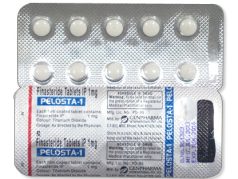
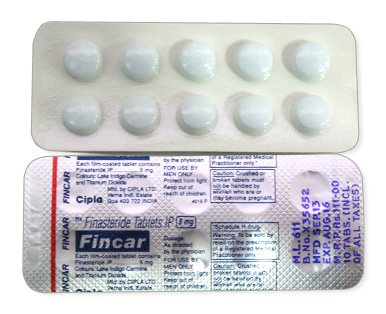
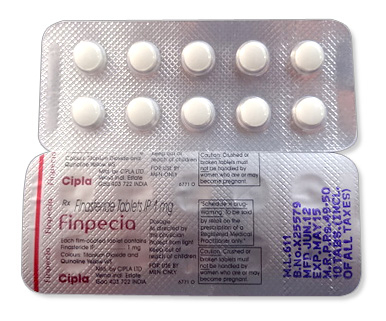
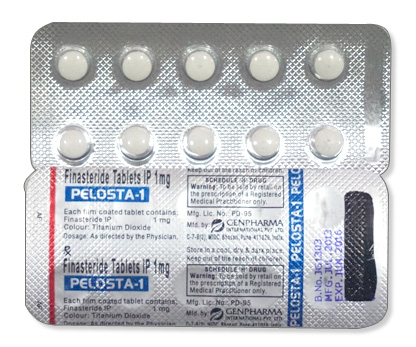
Finasteride is a highly effective prescription treatment for male pattern baldness, working by inhibiting the enzyme 5-alpha reductase that converts testosterone to DHT. Clinical studies demonstrate that finasteride prevents further hair loss in approximately 90% of men and promotes regrowth in about 65% of users. The standard dose is 1mg daily, and treatment must be continued long-term to maintain benefits, as stopping the medication will result in the resumption of hair loss within 6-12 months.
Whilst lower-strength minoxidil is available over-the-counter, prescription formulations offer higher concentrations and specialised delivery systems for enhanced effectiveness. Prescription minoxidil may be compounded with additional ingredients such as finasteride, tretinoin, or azelaic acid to create bespoke topical solutions. These stronger formulations are particularly beneficial for patients who haven't responded adequately to standard over-the-counter treatments.
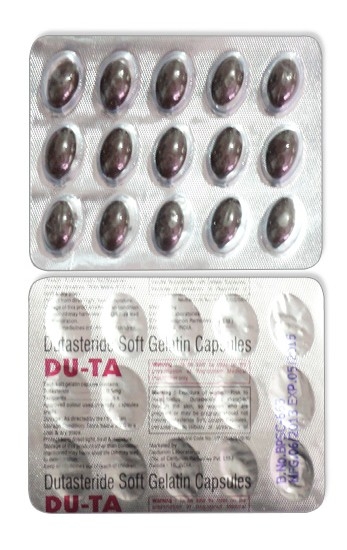
Dutasteride is a more potent alternative to finasteride, blocking both Type I and Type II 5-alpha reductase enzymes for more comprehensive DHT suppression. Whilst not licensed specifically for hair loss in the UK, it may be prescribed off-label by specialists for patients who haven't responded to finasteride. Dutasteride has a longer half-life than finasteride, requiring careful consideration of side effect profiles and patient suitability.
The NHS generally considers hair loss treatments cosmetic and doesn't routinely prescribe them unless there's significant psychological distress or underlying medical conditions. However, treatments may be available through NHS services in cases of alopecia areata, post-chemotherapy hair loss, or when hair loss severely impacts mental health. Patients should discuss their concerns with their GP, who may refer to dermatology specialists if appropriate.
Private prescriptions offer broader access to hair loss treatments without NHS restrictions. Many online pharmacies and private clinics provide consultation services, allowing patients to obtain prescriptions after completing medical questionnaires and, where necessary, virtual consultations. Private treatment typically costs between £30-80 monthly, depending on the medication and service provider chosen.
Patients using prescription hair loss treatments require regular monitoring to assess treatment response and identify potential side effects. Initial follow-up typically occurs after 3-6 months, with photographic documentation helping track progress. Blood tests may be recommended to monitor liver function when using oral medications, and patients should report any concerning symptoms such as sexual dysfunction, mood changes, or scalp irritation promptly to their prescribing healthcare provider.
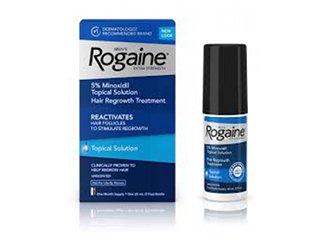
Minoxidil, commonly available as Regaine in the UK, remains the most clinically proven over-the-counter treatment for hair loss. Available in both 2% and 5% formulations, this topical solution helps stimulate hair follicles and promote regrowth when applied directly to the scalp twice daily.
Specialised hair growth shampoos and conditioners containing caffeine can help stimulate blood circulation to the scalp and strengthen existing hair. Caffeine-based products work by blocking DHT (dihydrotestosterone), a hormone linked to hair loss, whilst providing essential nutrients to hair follicles.
Essential vitamins and minerals play a crucial role in maintaining healthy hair growth:
Women's hair loss requires targeted treatments, including female-specific minoxidil formulations typically available in 2% concentration. These gentler formulations are designed to accommodate women's unique hormonal profiles and scalp sensitivity whilst delivering effective results.
Women experience unique hair loss triggers that require specialised approaches:
Specialised styling products including volumising mousses, root lift sprays, and tinted scalp concealers help create the appearance of fuller hair whilst ongoing treatments take effect, providing immediate confidence whilst addressing underlying causes.
Recognising the early signs of hair loss is crucial for effective treatment. The sooner you address thinning hair or pattern baldness, the better your chances of maintaining your existing hair and potentially stimulating regrowth. Early intervention may include incorporating proven treatments such as minoxidil or finasteride into your routine, as these are most effective when hair follicles are still active. Regular monitoring of your hairline, crown area, and overall hair density can help you identify changes before they become severe.
Maintaining a healthy scalp environment is fundamental to preventing hair loss. Gentle cleansing with suitable shampoos removes excess oils, dead skin cells, and product buildup that can clog hair follicles. Avoid overwashing, which can strip natural oils, and choose products formulated for your specific hair type. Regular scalp massage can improve blood circulation to hair follicles, whilst avoiding harsh chemicals, excessive heat styling, and tight hairstyles helps prevent additional stress on your hair.
Proper nutrition plays a vital role in maintaining healthy hair growth. A balanced diet rich in essential nutrients supports strong, resilient hair from within. Key nutrients for optimal hair health include:
Consider speaking with a pharmacist about nutritional supplements if your diet lacks these essential elements.
Chronic stress can significantly impact hair health, leading to conditions such as telogen effluvium or exacerbating androgenetic alopecia. Implementing effective stress management techniques can help preserve your hair whilst improving overall wellbeing. Regular exercise, adequate sleep, meditation, and relaxation techniques can all contribute to reducing stress levels. If stress is affecting your daily life or hair loss, consider seeking support from healthcare professionals.
Adopting gentle hair care practices helps minimise mechanical damage and breakage. Use wide-toothed combs on wet hair, avoid excessive brushing, and opt for heat-free styling methods when possible. Protective hairstyles that don't pull on the hairline can prevent traction alopecia. Choose hair products free from harsh sulphates and alcohol, and consider using silk or satin pillowcases to reduce friction during sleep.
Consult a healthcare professional if you experience sudden or severe hair loss, patchy bald spots, or hair loss accompanied by other symptoms such as itching, scaling, or inflammation. Additionally, seek advice if over-the-counter treatments haven't shown improvement after several months of consistent use, or if you're unsure about the underlying cause of your hair loss.
Understanding realistic expectations is essential when beginning any hair loss treatment. Most effective treatments require consistent use for 3-6 months before noticeable improvements occur, with optimal results typically seen after 12-18 months of continuous treatment. Hair growth follows a natural cycle, and existing hair loss may continue initially as dormant follicles are stimulated back into the growth phase. Patience and consistency are key to achieving the best possible outcomes.
Many individuals achieve better results by combining multiple treatment modalities rather than relying on a single approach. Common combinations include topical minoxidil with oral finasteride, or incorporating nutritional supplements alongside topical treatments. Always consult with a pharmacist or healthcare provider before combining treatments to ensure safety and avoid potential interactions. A comprehensive approach addressing both medical treatments and lifestyle factors often yields the most successful outcomes.
All hair loss treatments carry potential side effects that should be carefully considered. Minoxidil may cause scalp irritation or unwanted facial hair growth in some users, whilst finasteride can occasionally affect libido or sexual function. Topical treatments are generally well-tolerated, but systemic medications require more careful monitoring. Always read patient information leaflets thoroughly and discuss any concerns with a qualified pharmacist before starting treatment.
Your local pharmacist is an invaluable resource for hair loss guidance and support. Pharmacists can recommend appropriate over-the-counter treatments, explain proper application techniques, monitor your progress, and identify potential side effects or drug interactions. Many pharmacies offer private consultation services where you can discuss your concerns confidentially and receive personalised advice tailored to your specific situation and medical history.
Certain types of hair loss require specialist evaluation and treatment beyond what's available over-the-counter. Your pharmacist or GP may refer you to a dermatologist or trichologist for conditions such as alopecia areata, scarring alopecias, or when underlying medical conditions are suspected. Specialists can offer advanced treatments including prescription medications, steroid injections, or hair transplantation procedures for suitable candidates.
Hair loss treatment is typically a long-term commitment requiring ongoing investment in both time and money. Consider the cumulative costs of treatments over months and years when planning your approach. Some treatments may be available on NHS prescription in certain circumstances, whilst others require private purchase. Discuss cost-effective treatment strategies with your pharmacist, and remember that early intervention is often more economical than addressing advanced hair loss later.