Hepatitis C is a viral infection that primarily targets the liver, causing inflammation and potentially serious long-term health complications. The Hepatitis C virus (HCV) is a blood-borne pathogen that infiltrates liver cells, disrupting normal liver function and causing progressive damage over time. When HCV enters the bloodstream, it travels to the liver where it replicates within hepatocytes, the liver's main functional cells. This viral replication triggers an inflammatory response as the immune system attempts to combat the infection. Unfortunately, this chronic inflammation can lead to scarring of liver tissue, known as fibrosis, which may progress to cirrhosis or liver cancer if left untreated. The liver's essential functions, including detoxification, protein synthesis, and bile production, can become severely compromised as the disease advances, making early detection and treatment crucial for preventing irreversible liver damage.
Hepatitis C infection occurs in two distinct phases: acute and chronic stages, each presenting different characteristics and health implications. The acute phase typically develops within the first six months following initial infection and often remains asymptomatic, making early detection challenging. During this period, approximately 15-25% of individuals may naturally clear the virus without treatment, whilst the remaining majority progress to chronic infection. Chronic HCV infection occurs when the virus persists in the body for more than six months, establishing a long-term infection that can last decades without proper medical intervention. Unlike the acute phase, chronic hepatitis C rarely resolves spontaneously and requires antiviral treatment to achieve a sustained virological response (SVR). The chronic stage poses the greatest risk for developing serious liver complications, including cirrhosis, liver failure, and hepatocellular carcinoma, particularly when the infection remains undiagnosed and untreated for extended periods.
Hepatitis C is often referred to as a "silent infection" because many individuals experience no symptoms during the initial stages of infection. When symptoms do occur, they may include fatigue, joint pain, abdominal discomfort, and nausea. As the infection progresses to advanced stages, more serious complications can develop:
Early detection through routine screening is essential, as effective antiviral treatments are available that can cure HCV infection and prevent these serious health consequences.
Hepatitis C is primarily transmitted through direct blood-to-blood contact with infected individuals. The most common transmission routes include sharing needles or drug-injecting equipment, receiving contaminated blood transfusions or organ transplants (particularly before 1992 screening protocols), and needlestick injuries in healthcare settings. Additional risk factors include sharing personal items such as razors or toothbrushes, unsterile tattooing or body piercing procedures, and certain medical procedures in countries with inadequate infection control measures. Whilst sexual transmission is possible, it occurs less frequently than with hepatitis B. Individuals born between 1945-1965 face increased risk and should consider screening, as do those with HIV infection or a history of injecting drug use, even if only experimental or decades ago.
HCV testing in the UK typically involves a two-stage process to ensure accurate diagnosis. Initial screening uses anti-HCV antibody blood tests, which detect if you've ever been exposed to the hepatitis C virus. If antibodies are present, a confirmatory HCV RNA test (PCR test) is performed to determine if you currently have an active infection. Additional tests include HCV genotyping to identify the specific strain of virus, which helps guide treatment selection. Some pharmacies and sexual health clinics offer rapid point-of-care testing, providing results within 20-30 minutes for preliminary screening.
The NHS recommends HCV testing for several high-risk groups and circumstances. You're eligible for free testing if you've injected drugs, received blood transfusions before 1991, been in prison, or lived in countries with high HCV prevalence. Testing is also offered to pregnant women, those with unexplained liver problems, and individuals who may have been exposed through unsterilised medical equipment abroad. Your GP can arrange testing, or you can access services through sexual health clinics, drug treatment centres, and some community pharmacies without needing a referral.
HCV test results require careful interpretation to understand your infection status. A positive antibody test with negative RNA indicates past infection that has cleared naturally or through treatment. Positive RNA results confirm active infection, with viral load measured in International Units per millilitre (IU/mL). High viral loads don't necessarily indicate more severe disease but help monitor treatment response. Your healthcare provider will explain genotype results, which range from 1-6, as this determines the most effective treatment regimen and duration.
Direct-acting antiviral therapies have revolutionised hepatitis C treatment in the UK, offering cure rates exceeding 95% for most patients. These oral medications target specific viral proteins essential for HCV replication, effectively eliminating the virus from your system. Treatment typically lasts 8-12 weeks, with minimal side effects compared to older interferon-based therapies. The NHS provides these treatments free of charge once HCV infection is confirmed. Your treatment plan is personalised based on your HCV genotype, previous treatment history, and liver condition, ensuring optimal outcomes.
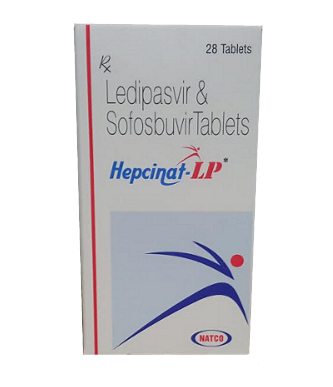
Sofosbuvir represents a cornerstone of modern HCV treatment, often combined with other direct-acting antivirals for enhanced effectiveness. Common combinations available through the NHS include sofosbuvir/velpatasvir (Epclusa) and sofosbuvir/ledipasvir (Harvoni). These fixed-dose combinations are effective against multiple HCV genotypes and are typically prescribed as once-daily tablets. Sofosbuvir works by inhibiting the viral polymerase enzyme, preventing viral replication. Treatment duration usually ranges from 8-12 weeks, depending on your specific genotype and treatment history. These combinations have demonstrated excellent tolerability with minimal drug interactions, making them suitable for most patients including those with compensated cirrhosis.
Maviret combines two powerful direct-acting antivirals in a single tablet, offering pan-genotypic coverage for all major HCV strains. This treatment is particularly effective for patients with genotypes 1-6 and is often prescribed as an 8-week course for treatment-naïve patients without cirrhosis. The combination works by targeting two different viral proteins simultaneously, maximising treatment effectiveness whilst minimising resistance development. Maviret has shown excellent results in clinical trials with cure rates above 95% across diverse patient populations, including those with kidney disease.
Advanced combination therapies containing velpatasvir and voxilaprevir are available for complex cases, particularly treatment-experienced patients or those with previous treatment failures. These three-drug combinations, often including sofosbuvir, provide rescue therapy options with excellent efficacy rates. The regimens are typically reserved for patients who haven't responded to initial DAA treatment or have specific resistance mutations. Treatment duration may extend to 12 weeks, but these combinations offer hope for achieving cure in challenging cases where simpler regimens have been unsuccessful.
Treatment duration for hepatitis C varies depending on the specific genotype of the virus and the chosen direct-acting antiviral (DAA) regimen. Most patients in the UK can expect treatment courses ranging from 8 to 12 weeks. Genotype 1, the most common in Britain, typically requires 8-12 weeks of treatment with modern DAA combinations. Genotypes 2 and 3 may require 12 weeks, whilst genotype 4, though less common in the UK, generally responds well to 12-week courses. Patients with cirrhosis or previous treatment failures may require extended treatment periods of up to 24 weeks in some cases.
Modern hepatitis C treatments achieve remarkably high cure rates, with sustained virologic response (SVR) rates exceeding 95% for most patients. SVR is defined as undetectable HCV RNA in the blood 12 weeks after completing treatment, indicating a cure. These excellent outcomes represent a significant advancement from older interferon-based therapies, which had cure rates of approximately 50-80%. The high efficacy of current treatments means that the vast majority of patients can expect to be cured with their first course of treatment.
Several factors can influence treatment outcomes, though the impact is less significant with modern DAA therapies compared to older treatments. Advanced liver disease, including cirrhosis, may slightly reduce cure rates but still maintains high success rates above 90%. Previous treatment experience, HIV co-infection, and certain genetic factors may also affect response rates. Patient adherence to the prescribed regimen remains crucial for treatment success, making it essential to take medications as directed throughout the entire treatment course.
Direct-acting antivirals are generally well-tolerated, with side effects being significantly milder than those experienced with older interferon-based treatments. The most commonly reported side effects include:
Most side effects are mild to moderate in severity and often improve as treatment progresses. Severe side effects are rare, and the majority of patients complete treatment without significant complications.
Patients undergoing hepatitis C treatment require regular monitoring to ensure safety and track treatment progress. Initial assessments include comprehensive blood tests to evaluate liver function, kidney function, and blood counts. During treatment, monitoring typically occurs at 4-week intervals, including viral load testing to confirm treatment response. Patients with advanced liver disease or those taking multiple medications may require more frequent monitoring. Your healthcare provider will schedule appropriate follow-up appointments and blood tests according to your individual circumstances.
DAA medications can interact with various other medicines, making it essential to inform your healthcare provider about all medications, supplements, and herbal remedies you are taking. Common interactions occur with certain heart medications, seizure medications, and some antibiotics. Proton pump inhibitors and antacids may also affect DAA absorption. Most interactions can be managed through dose adjustments, timing modifications, or temporary medication changes. Your pharmacist and healthcare team will review your complete medication list to identify and manage any potential interactions safely.
Even after successful treatment, it remains important to prevent HCV transmission and reinfection, as cure does not provide immunity against future infections. Key prevention measures include avoiding sharing needles, razors, toothbrushes, or any items that may have blood contact. Healthcare workers should follow universal precautions, and proper sterilisation procedures should be ensured for tattoos, piercings, and medical procedures. Sexual transmission risk is low but increases with certain practices, particularly among men who have sex with men or in the presence of other sexually transmitted infections.
Follow-up care after completing hepatitis C treatment is essential to confirm cure and monitor liver health. The primary assessment occurs 12 weeks after treatment completion with an SVR12 test to confirm viral clearance. Patients with advanced liver disease require ongoing surveillance for liver-related complications, including regular screening for liver cancer. Annual health checks may include liver function tests, and patients should maintain regular contact with their healthcare provider. Those at ongoing risk of reinfection may require periodic HCV RNA testing.
Maintaining liver health after hepatitis C treatment involves adopting healthy lifestyle practices that support liver function and overall wellbeing. Complete avoidance of alcohol is recommended, particularly for patients with existing liver damage. A balanced diet rich in fruits, vegetables, and whole grains whilst limiting processed foods and excess sugar supports liver recovery. Regular exercise, maintaining a healthy weight, and avoiding unnecessary medications or supplements help optimise liver health. Vaccination against hepatitis A and B is recommended if not already immune, as co-infection can worsen liver disease outcomes.