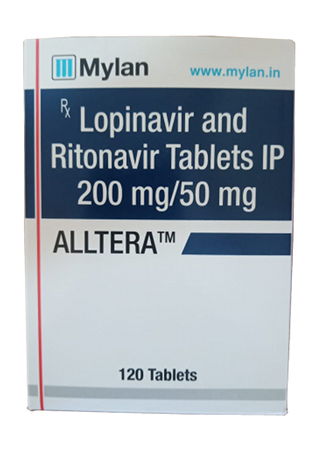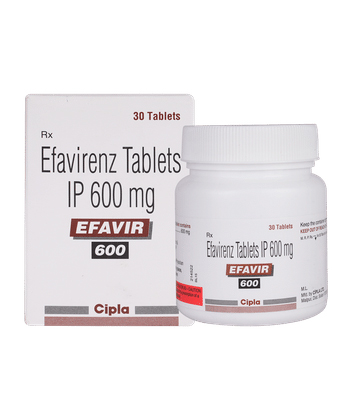
Human Immunodeficiency Virus (HIV) is a virus that attacks the body's immune system, specifically targeting CD4+ T cells, which are crucial white blood cells that help fight infections. When HIV enters the body, it gradually weakens the immune system, making individuals more susceptible to opportunistic infections and certain cancers.
It's important to understand that HIV and AIDS are not the same condition. HIV is the virus itself, whilst AIDS (Acquired Immunodeficiency Syndrome) represents the advanced stage of HIV infection when the immune system becomes severely compromised. With proper treatment, many people with HIV never progress to AIDS.
Early detection and treatment are vital for managing HIV effectively. The NHS recommends regular testing for at-risk individuals, as early intervention can significantly improve long-term health outcomes. HIV medications work by suppressing the viral load—the amount of virus in the blood—to undetectable levels, which not only preserves immune function but also prevents transmission to others.
The primary goals of HIV treatment in the UK include achieving and maintaining an undetectable viral load, preserving immune function, preventing HIV-related complications, and ensuring individuals can live healthy, normal lives whilst reducing transmission risk to others.
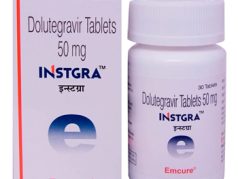
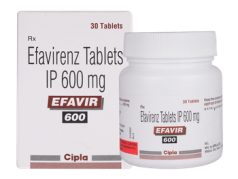
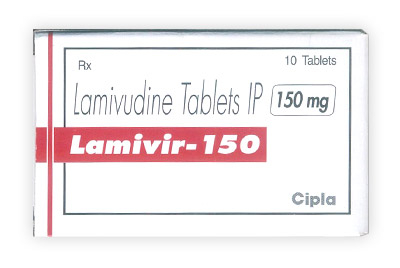
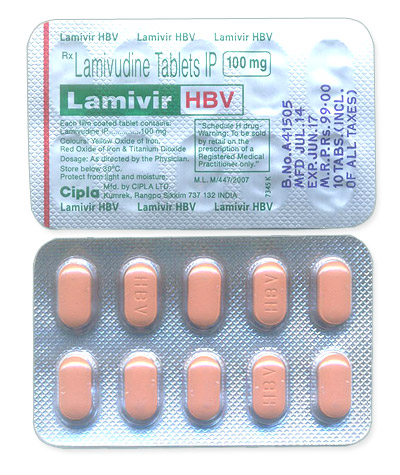
Several classes of HIV medications are available through NHS services and private pharmacies, each targeting different stages of the virus's life cycle:
Modern HIV treatment typically involves combination therapies, often available as fixed-dose combinations that combine multiple medications into a single tablet. These combination treatments, sometimes called "one pill, once daily" regimens, improve treatment adherence and reduce the likelihood of drug resistance developing. The choice of medication depends on individual factors including viral resistance patterns, potential side effects, and other health conditions.
Human Immunodeficiency Virus (HIV) is a virus that attacks the body's immune system, specifically targeting CD4 cells (T cells), which are crucial for fighting infections. Without proper treatment, HIV can progress to Acquired Immunodeficiency Syndrome (AIDS), making the body vulnerable to opportunistic infections and certain cancers.
In the UK, approximately 105,200 people are living with HIV, with modern antiretroviral therapy allowing individuals to live long, healthy lives. Early diagnosis and consistent treatment are essential for maintaining good health and preventing transmission to others.
Prevention remains the most effective approach to controlling HIV transmission. Several proven methods can significantly reduce the risk of acquiring HIV:
PrEP is available through the NHS in England for individuals at high risk of HIV transmission. This daily medication can reduce the risk of HIV infection by up to 99% when taken consistently. Consultation with a healthcare provider is necessary to determine eligibility and ensure proper monitoring.
Regular HIV testing is crucial for early detection and treatment. The NHS provides free, confidential HIV testing through various channels, including GP surgeries, sexual health clinics, and community testing services.
Modern HIV tests are highly accurate and can detect infection within weeks of exposure. Fourth-generation tests can identify both HIV antibodies and antigens, providing reliable results approximately 45 days after potential exposure. Rapid tests are also available, offering results within 20 minutes.
Self-testing kits are available for purchase and provide a convenient, private option for regular testing. However, reactive results should always be confirmed through formal healthcare channels.
Antiretroviral therapy (ART) is the standard treatment for HIV in the UK, provided free through the NHS. Modern HIV medications are highly effective, allowing people with HIV to achieve an undetectable viral load, which means the virus cannot be transmitted sexually (U=U: Undetectable equals Untransmittable).
The primary objectives of HIV treatment include suppressing viral replication, restoring and preserving immune function, reducing HIV-related morbidity and mortality, and preventing HIV transmission. Most individuals can achieve an undetectable viral load within six months of starting treatment.
Adherence to medication is crucial for treatment success. Missing doses can lead to drug resistance, making treatment more challenging. Healthcare teams provide comprehensive support to help patients maintain consistent medication routines.
Living with HIV requires ongoing medical care and emotional support. The UK offers extensive resources for individuals affected by HIV, including specialist clinics, peer support groups, and charitable organisations providing practical assistance and advocacy.
Mental health support is equally important, as an HIV diagnosis can be emotionally challenging. Counselling services, both individual and group-based, are available through NHS and charitable services to help individuals cope with diagnosis and ongoing management.
Living well with HIV requires understanding how to manage your treatment effectively and recognise potential side effects. Modern HIV medications are generally well-tolerated, but some patients may experience side effects such as nausea, headaches, fatigue, or skin reactions. These often improve as your body adjusts to the medication, typically within the first few weeks of treatment.
It's crucial to be aware of drug interactions, particularly with over-the-counter medications, herbal supplements, and other prescription drugs. Always inform healthcare providers about all medications you're taking. Strict adherence to your treatment regimen is essential for maintaining an undetectable viral load and preventing drug resistance.
Regular monitoring through blood tests helps track your viral load, CD4 count, and overall health. Your healthcare team may recommend switching medications if you experience persistent side effects or if your current regimen becomes less effective. Supporting your overall health through proper nutrition, regular exercise, adequate sleep, and stress management enhances treatment effectiveness and improves quality of life whilst living with HIV.
The NHS provides comprehensive HIV care through specialist sexual health clinics and HIV treatment centres located throughout the UK. These services are free at the point of use and offer expert care from multidisciplinary teams including doctors, nurses, pharmacists, and support workers. Your GP can refer you to local specialist services, or you can self-refer to many sexual health clinics.
HIV medications are available free of charge through NHS prescription services. Most patients receive their medications directly from hospital pharmacies, though some treatments may be available through community pharmacies with special arrangements. Online pharmacy services can provide convenient medication delivery whilst maintaining strict confidentiality protocols.
Patient support resources include:
Organisations like Terrence Higgins Trust, National AIDS Trust, and Positive East provide additional support, advocacy, and information. Regular check-ups typically occur every three to six months, monitoring treatment effectiveness and addressing any concerns about your health and wellbeing.