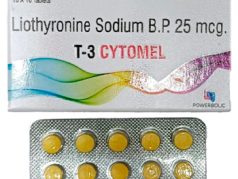
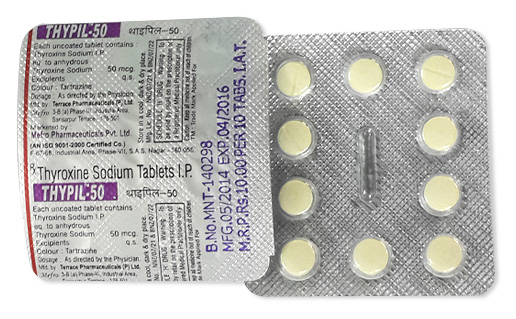
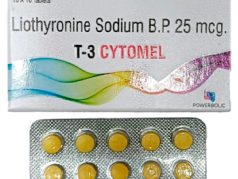
Thyroid hormones, primarily thyroxine (T4) and triiodothyronine (T3), regulate essential bodily functions including metabolism, heart rate, body temperature, and energy production. These hormones are crucial for proper growth, development, and cellular function throughout the body.
Hypothyroidism occurs when the thyroid gland produces insufficient hormones, leading to fatigue, weight gain, and cold sensitivity. Conversely, hyperthyroidism results from excessive hormone production, causing rapid heart rate, weight loss, and anxiety. Both conditions require careful medical management and regular monitoring.
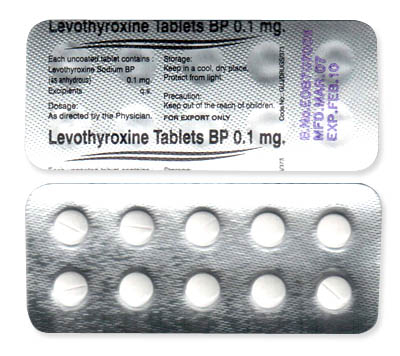
In the UK, levothyroxine brands include Eltroxin, Actavis, and Teva preparations. Dosage adjustments require regular blood tests monitoring TSH levels, with most patients starting on 25-50 micrograms daily, adjusted according to clinical response and laboratory results.
Hormonal contraceptives work by preventing ovulation through synthetic oestrogen and progesterone combinations, or progestogen-only formulations. These hormones alter the menstrual cycle, thicken cervical mucus, and modify the uterine lining to prevent pregnancy effectively when used correctly.
Popular UK brands include Microgynon, Rigevidon, and Yasmin, containing different hormone combinations. These pills offer excellent contraceptive efficacy whilst providing additional benefits such as regulated periods and reduced menstrual pain for many women.
Healthcare professionals consider individual factors including age, smoking status, blood pressure, and medical history when recommending suitable options. Women over 35 who smoke typically require progestogen-only alternatives due to increased thrombotic risks with combined preparations.
Menopause marks a significant transition in a woman's life when oestrogen and progesterone levels naturally decline. This hormonal shift typically occurs between ages 45-55 and can cause various symptoms including hot flushes, night sweats, mood changes, and bone density reduction. Understanding these changes helps women make informed decisions about managing their menopausal journey.
The NHS and private healthcare providers offer several HRT options to suit individual needs. Oestrogen-only preparations are typically prescribed for women who have had a hysterectomy, whilst combined oestrogen and progestogen treatments are recommended for women with an intact uterus to protect against endometrial cancer.
HRT delivery methods include:
Benefits include symptom relief and bone protection, whilst risks may include increased blood clot risk. Bioidentical hormone options provide naturally-derived alternatives that closely match the body's own hormones.
Insulin remains the cornerstone of diabetes management for people with Type 1 diabetes and many with Type 2 diabetes. This essential hormone regulates blood glucose levels by facilitating cellular glucose uptake. Modern insulin therapy aims to mimic the body's natural insulin patterns through carefully timed injections.
The NHS formulary includes various insulin preparations designed to meet different physiological needs:
Modern insulin delivery systems include pre-filled pens, insulin pumps, and traditional vials with syringes. Other diabetes medications such as GLP-1 receptor agonists work alongside insulin to optimise glucose control. Regular blood glucose monitoring remains crucial for adjusting therapy and preventing complications, ensuring optimal diabetes management outcomes.
Growth hormone deficiency in children and adults requires specialist treatment with recombinant human growth hormone preparations. These medications are available through NHS specialist clinics and require careful monitoring of growth parameters and metabolic effects. Treatment typically involves daily subcutaneous injections with dosing adjusted based on individual response and clinical indicators.
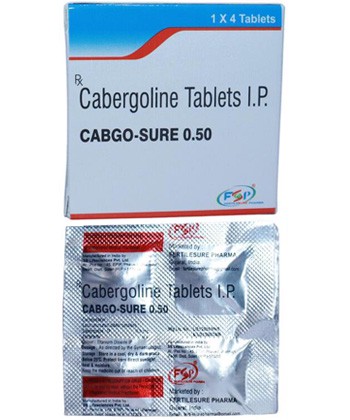
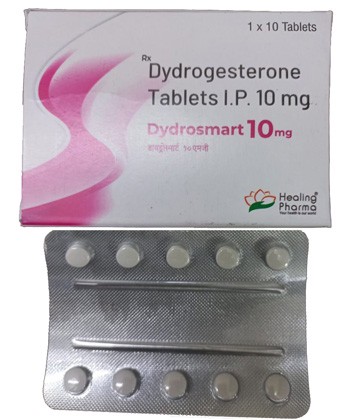
Fertility treatments in the UK utilise various hormone preparations to support reproductive health:
All growth and reproductive hormone treatments require specialist endocrinology or reproductive medicine supervision, with regular monitoring of hormone levels, clinical response, and potential adverse effects through NHS specialist services.
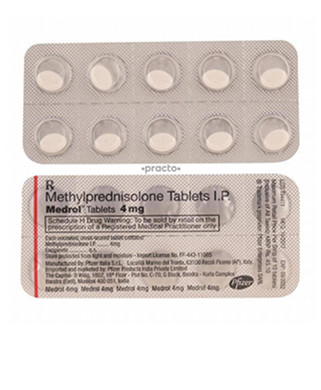
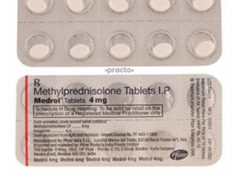
Corticosteroids remain essential treatments for numerous inflammatory and autoimmune conditions throughout the UK. These powerful anti-inflammatory medications work by mimicking natural cortisol and suppressing immune system activity. Common conditions treated include rheumatoid arthritis, inflammatory bowel disease, severe asthma, and various skin conditions requiring systemic intervention.
The most commonly prescribed oral corticosteroids include:
Topical corticosteroids offer localised treatment with reduced systemic effects, available in various potencies from mild hydrocortisone to potent preparations. Hydrocortisone replacement therapy is essential for patients with adrenal insufficiency, requiring careful dosing to mimic natural cortisol rhythms.
Long-term steroid use requires careful monitoring for side effects including bone density changes, blood glucose elevation, and adrenal suppression. Gradual withdrawal protocols prevent adrenal crisis, whilst regular monitoring ensures optimal therapeutic outcomes with minimal adverse effects.