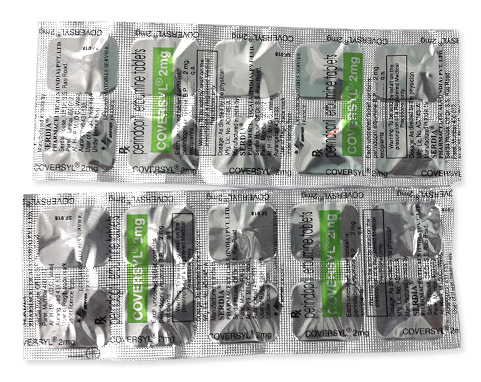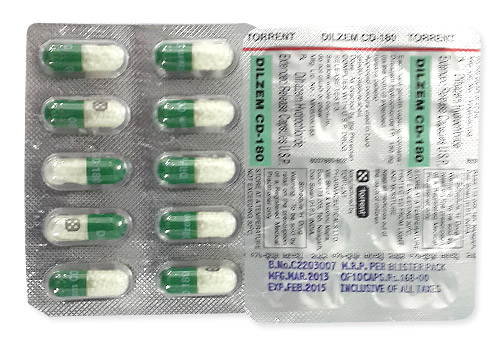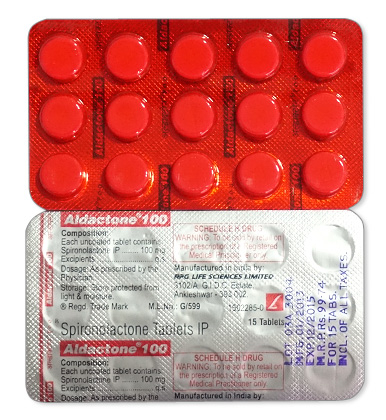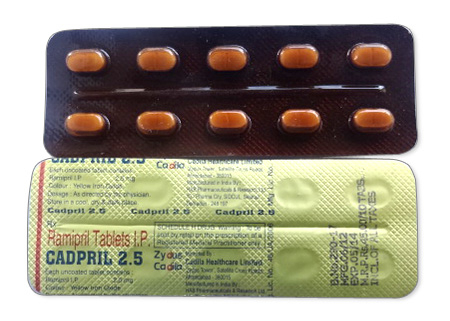
High blood pressure, medically known as hypertension, occurs when the force of blood against your artery walls is consistently too high. Blood pressure readings consist of two numbers: systolic pressure (when your heart beats) over diastolic pressure (when your heart rests between beats), measured in millimetres of mercury (mmHg).
Normal blood pressure is typically below 120/80 mmHg, whilst elevated readings range from 120-129 systolic and less than 80 diastolic. High blood pressure is diagnosed when readings consistently exceed 130/80 mmHg. When left untreated, hypertension forces your heart to work harder, potentially damaging arteries and increasing the risk of heart disease, stroke, and kidney problems.
Primary or essential hypertension accounts for approximately 90% of cases and develops gradually over many years without an identifiable cause. Secondary hypertension results from underlying conditions such as kidney disease, thyroid disorders, or certain medications. White coat hypertension occurs when blood pressure readings are elevated only in clinical settings due to anxiety, whilst remaining normal at home.
Several factors contribute to developing hypertension, including:
Hypertension is often called the "silent killer" because most people experience no symptoms until blood pressure reaches dangerously high levels. However, severe hypertension may cause headaches, shortness of breath, chest pain, dizziness, or nosebleeds. These warning signs require immediate medical attention, particularly if accompanied by vision changes, confusion, or severe headaches, as they may indicate a hypertensive crisis.
Regular monitoring is essential for managing hypertension effectively. UK pharmacies stock various home blood pressure monitors, from basic digital devices to advanced models with smartphone connectivity. Proper measurement requires sitting quietly for five minutes, using the correct cuff size, and taking readings at the same time daily. The NHS offers free blood pressure checks at local pharmacies and GP surgeries, with the NHS Health Check programme providing regular screening for adults aged 40-74 across England.
ACE inhibitors are amongst the most commonly prescribed medications for treating high blood pressure in the UK. These medications work by blocking the angiotensin-converting enzyme, which helps relax blood vessels and reduce blood pressure. Popular ACE inhibitors available through NHS prescriptions include Ramipril (typically starting at 2.5mg daily), Lisinopril (usually 10mg daily initially), and Enalapril (starting dose often 5mg twice daily). Your GP will determine the most appropriate dosage based on your individual circumstances and response to treatment.
Common side effects may include a persistent dry cough, dizziness, and elevated potassium levels. Regular monitoring through blood tests is essential to check kidney function and electrolyte levels. If you experience any concerning symptoms, contact your prescribing healthcare professional promptly.
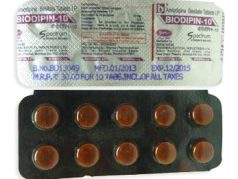
Calcium channel blockers are highly effective antihypertensive medications that work by preventing calcium from entering the muscle cells of your heart and blood vessels, leading to relaxation and improved blood flow. Widely prescribed options in the UK include Amlodipine (usually 5-10mg daily), Nifedipine (available in slow-release formulations), and Diltiazem (particularly beneficial for patients with certain heart rhythm conditions).
These medications are particularly suitable for elderly patients and those with diabetes. However, some patients may experience ankle swelling, flushing, or headaches. Your pharmacist can provide guidance on managing these side effects and ensuring optimal medication timing.
Diuretics, commonly known as water tablets, help reduce blood pressure by encouraging your kidneys to remove excess salt and water from your body. The main types prescribed in the UK include:
These medications are often prescribed as first-line treatments and are particularly effective in older adults. Potential side effects include increased urination frequency, dehydration, and electrolyte imbalances. Regular blood monitoring ensures safe and effective treatment.
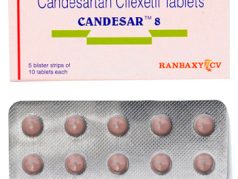
Angiotensin Receptor Blockers (ARBs) offer an excellent alternative for patients who cannot tolerate ACE inhibitors, particularly those who develop the characteristic dry cough. Common ARBs prescribed in the UK include Losartan (typically 50-100mg daily) and Candesartan (usually starting at 8mg daily). These medications work by blocking angiotensin II receptors, preventing blood vessel constriction.
ARBs are frequently available in combination therapies, such as with diuretics or calcium channel blockers, providing convenient once-daily dosing. Your pharmacist can explain the benefits of combination treatments and ensure you understand your complete medication regimen.
Home blood pressure monitoring is strongly encouraged by NICE guidelines and is widely supported by UK pharmacies. Digital monitors are generally recommended for home use due to their ease of operation and reliability. When selecting a monitor, ensure it has been validated by the British Hypertension Society and features an appropriately sized cuff for your arm circumference.
Many UK pharmacies offer blood pressure monitoring services and can help you choose between upper arm monitors (generally more accurate) and wrist monitors (more portable but requiring precise positioning). Look for devices with memory storage, averaging functions, and clear digital displays. Some modern monitors can connect to smartphone apps for convenient tracking and sharing with your healthcare team.
Various over-the-counter supplements available in UK pharmacies may provide additional cardiovascular support alongside prescribed medications. Omega-3 fatty acid supplements, particularly those containing EPA and DHA, have demonstrated benefits for heart health and may help with blood pressure management. The recommended dose is typically 1-3 grams daily of combined EPA and DHA.
Magnesium supplements (200-400mg daily) and potassium supplements may offer modest blood pressure benefits, though potassium supplementation requires careful consideration if you're taking ACE inhibitors or ARBs. Garlic extract supplements have shown some promising results in clinical studies, with aged garlic extract being the most researched form.
It's crucial to discuss any supplements with your pharmacist or GP before starting them, as some can interact with prescription medications. For instance, garlic supplements may enhance the effects of blood-thinning medications, and potassium supplements can be dangerous when combined with certain blood pressure medications.
The DASH (Dietary Approaches to Stop Hypertension) diet has been proven highly effective for managing blood pressure naturally. This eating plan emphasises fruits, vegetables, whole grains, lean proteins, and low-fat dairy whilst limiting saturated fats and refined sugars. Reducing sodium intake is crucial—aim for less than 6g of salt daily, as recommended by the NHS. When shopping, carefully read food labels as processed foods often contain hidden sodium in forms like monosodium glutamate or sodium bicarbonate. Foods that naturally support healthy blood pressure include potassium-rich bananas, leafy greens, beetroot, garlic, and omega-3 rich fish like salmon and mackerel.
Regular physical activity can reduce systolic blood pressure by 4-9 mmHg. The NHS recommends at least 150 minutes of moderate-intensity exercise weekly. Before starting any exercise programme, consult your GP, especially if you have existing health conditions. Suitable activities include:
Chronic stress contributes significantly to elevated blood pressure by triggering the release of stress hormones. Effective stress management includes deep breathing exercises, meditation, and progressive muscle relaxation. Maintaining good sleep hygiene—aiming for 7-9 hours nightly—is equally important, as poor sleep quality can raise blood pressure and reduce medication effectiveness.
Community pharmacies across the UK offer comprehensive hypertension support through various NHS services. The New Medicine Service (NMS) provides free consultations when starting new blood pressure medications, ensuring you understand proper usage and potential side effects. Many pharmacies also offer Medicine Use Reviews (MUR) and blood pressure monitoring services, allowing regular check-ups without GP appointments. These services help maintain consistent monitoring and medication adherence.
Your local pharmacist is an accessible healthcare professional who can provide valuable support for hypertension management. Consult them for medication adherence strategies, managing side effects like dizziness or fatigue, and identifying potential drug interactions with over-the-counter medicines or supplements. Pharmacists can also advise when symptoms require GP referral or immediate medical attention.
Hypertensive crisis requires immediate medical attention. Call 999 if experiencing severe headaches, chest pain, difficulty breathing, severe anxiety, or vision changes alongside extremely high blood pressure readings (typically above 180/120 mmHg). Never attempt to lower blood pressure rapidly at home, as this can be dangerous.