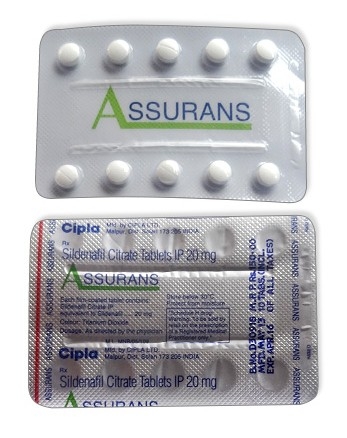
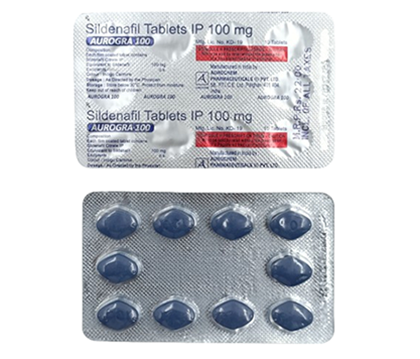
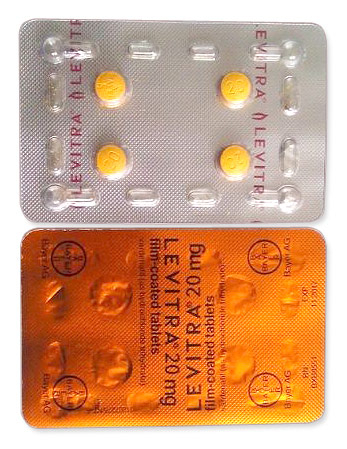
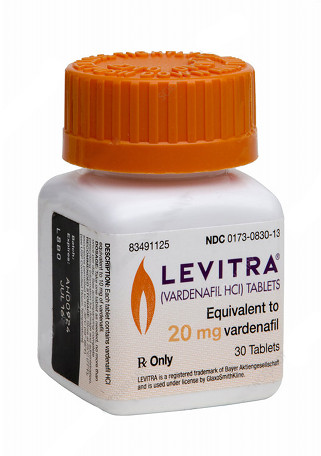
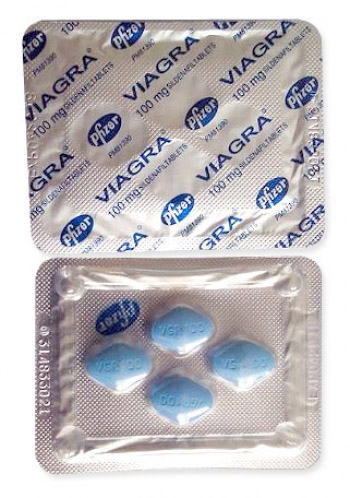
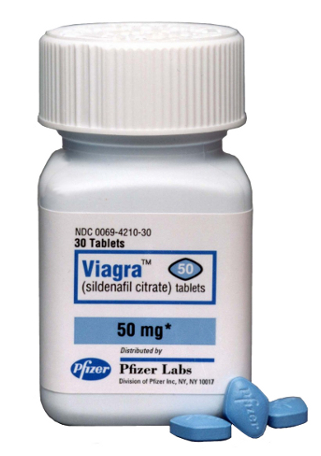
Erectile dysfunction (ED) affects millions of men across the UK, characterised by the persistent inability to achieve or maintain an erection sufficient for sexual intercourse. This condition can stem from various physical and psychological factors, including cardiovascular disease, diabetes, high blood pressure, obesity, stress, anxiety, and depression. Age-related changes in blood flow and hormone levels also contribute to ED prevalence, with the condition becoming increasingly common after age 40.
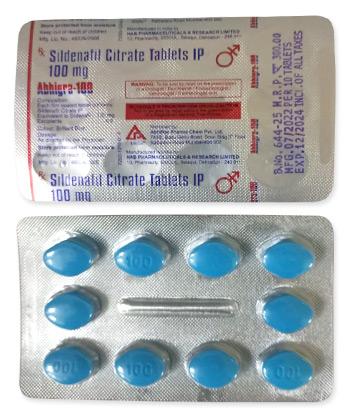
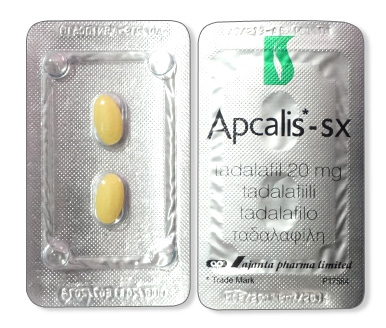
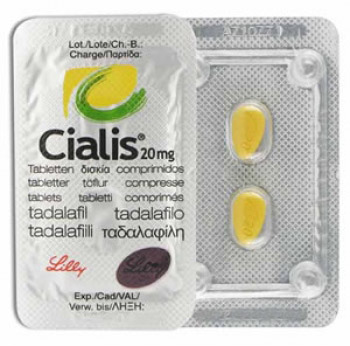
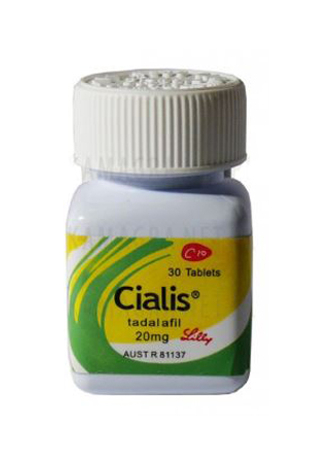
The UK offers several effective prescription treatments for erectile dysfunction, all belonging to a class of medications called PDE5 inhibitors. These include:
These medications work by increasing blood flow to the penis during sexual arousal, blocking the enzyme that restricts blood vessel dilation. All ED treatments require a prescription following consultation with a healthcare professional, either in person or through regulated online pharmacy services. During consultation, medical history, current medications, and potential contraindications are assessed to ensure safe treatment.
Common side effects include headaches, facial flushing, and indigestion. These medications are contraindicated with nitrate medications and certain heart conditions. Alternative treatments include lifestyle modifications such as regular exercise, healthy diet, stress management, and addressing underlying health conditions.
Male pattern baldness, or androgenetic alopecia, affects approximately 50% of men over 50 in the UK. This hereditary condition results from sensitivity to dihydrotestosterone (DHT), a hormone that shrinks hair follicles over time. Hair loss typically begins at the temples and crown, progressively thinning until follicles can no longer produce viable hair. Early intervention is crucial, as treatments are most effective at preventing further loss rather than restoring hair to completely bald areas.
Two primary treatments are available through UK pharmacies for male pattern baldness:
Finasteride reduces DHT levels by approximately 70%, effectively slowing or stopping hair loss in 90% of men and promoting regrowth in about 65%. Minoxidil stimulates blood flow to hair follicles and extends the growth phase of hair cycles. Both treatments require consistent, long-term use to maintain benefits, with initial results typically visible after 3-6 months of treatment.
Hair loss treatments are ongoing commitments, as discontinuation leads to renewed hair loss within 6-12 months. Finasteride requires prescription consultation due to potential side effects including decreased libido and mood changes. Minoxidil is available without prescription but may cause scalp irritation. Both treatments are most suitable for men with recent hair loss rather than long-established baldness.
Low testosterone affects millions of men across the UK, particularly those over 40. Recognising the signs early can lead to effective treatment and improved quality of life. Common symptoms include persistent fatigue, reduced muscle mass, decreased libido, mood changes, and difficulty concentrating. Many men also experience weight gain, particularly around the midsection, and may notice changes in sleep patterns.
The NHS and private healthcare providers offer several testosterone replacement therapy (TRT) options. Testosterone gels are popular due to their ease of application and steady hormone delivery throughout the day. Patches provide consistent dosing and are applied to clean, dry skin. For those preferring less frequent administration, testosterone injections are available every 10-14 weeks, administered by healthcare professionals.
Natural testosterone boosters and supplements containing ingredients like D-aspartic acid, zinc, and vitamin D3 are available without prescription. However, their effectiveness varies, and consulting with a healthcare provider is recommended before starting any supplementation programme.
Regular monitoring is essential for TRT patients. Blood tests typically include:
Whilst TRT can significantly improve energy levels, mood, and physical performance, potential risks include increased red blood cell count, sleep apnoea exacerbation, and cardiovascular considerations. Age-related hormonal decline is natural, but severe symptoms warrant professional evaluation to determine if intervention is appropriate.
Prostate health becomes increasingly important as men age, with benign prostatic hyperplasia (BPH) affecting over half of men over 50 in the UK. This non-cancerous enlargement of the prostate gland can significantly impact quality of life through urinary symptoms including weak stream, frequent urination, and incomplete bladder emptying.
Several proven treatments are available through the NHS and private prescriptions. Alpha-blockers such as tamsulosin work by relaxing smooth muscle in the prostate and bladder neck, improving urine flow often within days of starting treatment. These medications are typically well-tolerated and provide rapid symptom relief.
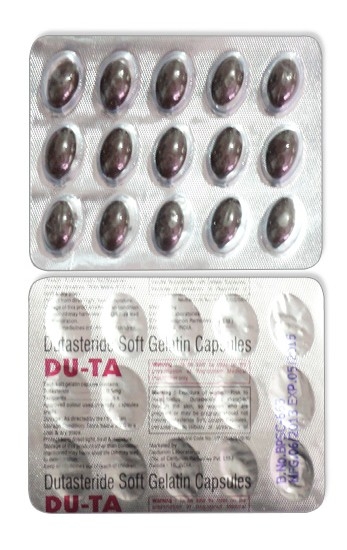
5-alpha reductase inhibitors including finasteride and dutasteride work differently by reducing prostate size over time. These medications block the conversion of testosterone to dihydrotestosterone (DHT), the hormone primarily responsible for prostate growth. Results typically become apparent after 3-6 months of consistent use.
The primary objectives of prostate health management include:
Regular monitoring through PSA tests and digital rectal examinations remains crucial for early detection of potential issues. Lifestyle modifications including reducing caffeine intake, limiting evening fluids, and maintaining regular exercise can complement medical treatments. Men experiencing persistent symptoms should consult their GP for comprehensive evaluation and personalised treatment planning.
Men face unique challenges when it comes to weight management, often struggling with abdominal weight gain and metabolic changes as they age. Whilst men typically build muscle more easily than women, they're also prone to storing visceral fat, which can impact overall health and increase the risk of cardiovascular disease.
In the UK, several prescription weight loss medications are available through licensed pharmacies. Orlistat remains the most commonly prescribed option, working by blocking the absorption of dietary fats. Other clinically approved treatments may be suitable depending on individual circumstances and medical history.
Over-the-counter metabolism boosters and fat burners can complement a structured weight loss programme, though these should be used alongside proper diet and exercise regimens. Most prescription weight management programmes require an initial consultation with a qualified pharmacist or healthcare professional to assess suitability and establish realistic goals.
Maintaining optimal health requires a proactive approach to nutrition and preventive care. Men have specific nutritional needs that differ from women, particularly regarding vitamins and minerals essential for testosterone production, muscle maintenance, and cardiovascular health.
Multivitamins formulated specifically for men typically contain higher levels of certain nutrients whilst excluding iron, which men require less of than women. These specialised formulations often include vitamin D, zinc, and B-complex vitamins to support energy metabolism and hormone production.
Heart health supplements, particularly omega-3 fatty acids, are crucial for men over 40. Joint health support through glucosamine and chondroitin becomes increasingly important for active men and those experiencing age-related wear and tear.
Immune system boosters and antioxidants help combat oxidative stress and support overall wellness, whilst regular health screenings enable early detection and prevention of common male health conditions.