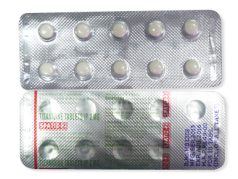
Muscle relaxants are a diverse group of medications designed to reduce muscle tension, spasticity, and associated discomfort. These therapeutic agents work by interrupting the nerve signals that cause muscle contractions, providing relief for individuals experiencing various musculoskeletal conditions. The primary function of muscle relaxants is to restore normal muscle function and reduce pain associated with muscle spasms and tension.
There are two main categories of muscle relaxants based on their mechanism of action. Centrally acting muscle relaxants work within the central nervous system, specifically targeting the brain and spinal cord to reduce muscle tone and spasticity. These medications alter neurotransmitter activity to decrease the signals sent to muscles. Peripherally acting muscle relaxants, conversely, work directly at the muscle fibres themselves, blocking the release of calcium ions necessary for muscle contraction.
Muscle relaxants are commonly prescribed for conditions such as multiple sclerosis, spinal cord injuries, cerebral palsy, and acute musculoskeletal injuries. They prove particularly beneficial for managing muscle spasms, reducing muscle tension, and providing relief from chronic pain conditions where muscle tightness contributes to discomfort.
Unlike standard painkillers such as paracetamol or ibuprofen, which primarily address pain and inflammation, muscle relaxants specifically target the underlying muscle dysfunction. This targeted approach makes them invaluable for conditions where muscle spasticity or spasms are the primary concern, often providing more effective relief than conventional analgesics alone.
The United Kingdom offers several muscle relaxants through prescription, each designed for specific conditions and patient needs. Understanding the various options available helps ensure appropriate treatment selection for different musculoskeletal disorders.
Baclofen represents one of the most widely prescribed muscle relaxants in the UK, particularly effective for individuals with multiple sclerosis and spinal cord injuries. This centrally acting medication works by binding to GABA receptors in the spinal cord, reducing muscle spasticity and improving mobility. It's available in both oral tablets and, for severe cases, intrathecal pump delivery systems.
Diazepam serves a dual purpose as both an anxiolytic and muscle relaxant. This benzodiazepine medication effectively treats muscle spasms whilst simultaneously addressing anxiety that may accompany painful conditions. Due to its potential for dependence, diazepam is typically prescribed for short-term use and requires careful monitoring.
Tizanidine offers effective treatment for muscle spasticity associated with conditions such as multiple sclerosis and spinal cord injuries. This medication works by blocking nerve impulses sent to muscles, providing relief from chronic pain and improving daily functioning. It's particularly useful for managing nocturnal spasticity.
Other muscle relaxants available include methocarbamol for short-term relief of acute musculoskeletal conditions and dantrolene for specialised treatment of malignant hyperthermia and severe spasticity.
Muscle relaxants are prescribed for a diverse range of medical conditions where muscle tension, spasms, or stiffness significantly impact a patient's quality of life. These medications play a crucial role in managing both acute and chronic musculoskeletal disorders across various clinical scenarios.
For acute muscle injuries and sports-related trauma, muscle relaxants provide rapid relief from painful muscle spasms that commonly occur following strains, sprains, or direct impact injuries. They are particularly effective during the initial inflammatory phase when muscle guarding can impede natural healing processes. Post-surgical recovery represents another key indication, where these medications help manage muscle tension and spasms that may develop following orthopaedic procedures or abdominal surgeries.
In chronic pain management, muscle relaxants are invaluable for conditions such as fibromyalgia, where widespread muscle pain and stiffness are hallmark symptoms. Patients with multiple sclerosis benefit significantly from these medications to control spasticity and improve mobility. Back pain and neck pain, whether from herniated discs, arthritis, or postural issues, often respond well to muscle relaxant therapy. Neurological conditions including cerebral palsy and spinal cord injuries frequently require muscle relaxants to manage debilitating muscle stiffness and improve functional capacity. These medications are most effective when used as part of combination therapy alongside physiotherapy, exercise programmes, and other complementary treatments.
While muscle relaxants can provide significant therapeutic benefits, they require careful consideration of potential side effects and safety concerns. Understanding these risks ensures appropriate use and helps patients make informed decisions about their treatment.
The most frequently reported side effects include drowsiness, dizziness, and fatigue, which can significantly impact daily activities such as driving or operating machinery. Patients may also experience dry mouth, blurred vision, and gastrointestinal disturbances including nausea or constipation. These effects are typically dose-dependent and may diminish as the body adjusts to treatment.
Several muscle relaxants carry potential for dependency and withdrawal symptoms, particularly with prolonged use. This risk necessitates careful monitoring and gradual dose reduction when discontinuing treatment. Drug interactions present significant concerns, especially with alcohol, benzodiazepines, and other central nervous system depressants, which can lead to dangerous respiratory depression.
Elderly patients face increased sensitivity to these medications and higher fall risk due to enhanced sedative effects. Pregnant and breastfeeding women require specialist consultation as most muscle relaxants are not recommended during pregnancy. Long-term users need regular monitoring including:
Patients should seek immediate medical attention if experiencing severe drowsiness, difficulty breathing, allergic reactions, or significant mood changes whilst taking muscle relaxants.
Muscle relaxant dosages vary significantly depending on the specific medication prescribed. Baclofen typically begins at 5mg three times daily, whilst diazepam for muscle spasm usually starts at 2-15mg daily in divided doses. Tizanidine commonly commences at 2mg daily, gradually increasing as tolerated. Age-related adjustments are crucial, with elderly patients often requiring reduced starting doses due to increased sensitivity and slower metabolism.
Most muscle relaxants are intended for short-term use, typically 2-3 weeks for acute conditions. If you miss a dose, take it as soon as remembered unless it's nearly time for your next dose. Never double doses to compensate. Gradual tapering is essential when discontinuing treatment, particularly with benzodiazepine-based relaxants, to prevent withdrawal symptoms.
Patients with hepatic or renal impairment require careful dose adjustments and monitoring. Your prescriber will consider your kidney and liver function when determining appropriate dosing regimens to ensure both safety and efficacy whilst minimising the risk of adverse effects.
All muscle relaxants require a valid prescription from a registered medical practitioner in the UK. NHS prescriptions are available following GP consultation and clinical assessment. Private prescriptions offer an alternative route, though patients bear the full medication cost. Prescription charges apply in England, whilst prescriptions remain free in Scotland, Wales, and Northern Ireland.
Only licensed pharmacies can legally dispense muscle relaxants. Both generic and branded options are typically available, with generic versions offering cost savings whilst maintaining equivalent efficacy. Your pharmacist will provide comprehensive counselling regarding:
Patient information leaflets accompany all dispensed medications, providing detailed guidance on safe usage, contraindications, and emergency procedures.