Obesity is a complex medical condition characterised by excessive body fat accumulation that presents a risk to health. Healthcare professionals typically use Body Mass Index (BMI) to classify weight categories, where a BMI of 30 or above indicates obesity, whilst 25-29.9 is classified as overweight. The condition is further categorised into Class I (BMI 30-34.9), Class II (BMI 35-39.9), and Class III (BMI 40+) obesity.
In the United Kingdom, obesity rates have risen dramatically over recent decades, with current NHS data showing that approximately 28% of adults are obese, and a further 36% are overweight. This means nearly two-thirds of the UK population carries excess weight, making it one of the most pressing public health challenges facing the nation.
Obesity significantly increases the risk of developing serious health complications that can impact both quality of life and life expectancy. The excess weight places considerable strain on multiple body systems, leading to a cascade of health problems.
Multiple factors contribute to the development of obesity, often working in combination. Genetic predisposition plays a significant role, with family history influencing metabolism and fat storage patterns. Lifestyle factors, including sedentary behaviour, poor dietary choices high in processed foods, and irregular eating patterns, are major contributors. Additionally, certain medical conditions such as hypothyroidism and polycystic ovary syndrome can affect weight management, whilst some medications may cause weight gain as a side effect.
Orlistat functions as a fat absorption inhibitor by blocking pancreatic lipase enzymes, preventing approximately 30% of dietary fat from being absorbed. For prescription-strength Xenical (120mg), patients must meet specific eligibility criteria including a BMI of 30kg/m² or above, or 28kg/m² with associated risk factors such as diabetes or high blood pressure. The standard dosage is one 120mg capsule taken three times daily with each main meal containing fat. Clinical studies demonstrate that patients can expect to lose 5-10% of their initial body weight when combined with a reduced-calorie diet and regular exercise over 12 months of treatment.
Liraglutide operates as a GLP-1 receptor agonist, mimicking the hormone that regulates blood sugar and slows gastric emptying to promote satiety. Administered via daily subcutaneous injection using a pre-filled pen, the treatment requires gradual dose escalation over several weeks. Patient suitability assessment includes screening for personal or family history of medullary thyroid carcinoma and multiple endocrine neoplasia syndrome type 2. Regular monitoring includes blood glucose levels, kidney function, and potential side effects such as nausea and pancreatitis.
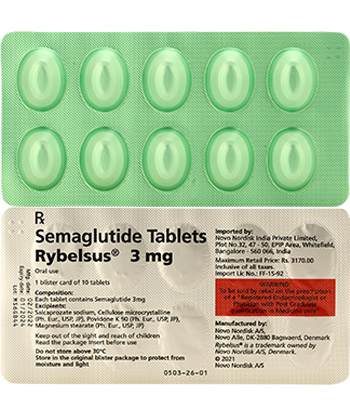
Semaglutide represents the latest advancement in prescription weight management, administered as a weekly subcutaneous injection. Clinical trials demonstrate exceptional effectiveness, with participants achieving average weight loss of 15-20% over 68 weeks. NHS availability remains limited, with most patients accessing treatment through private prescription. Patient selection criteria are stringent, requiring BMI of 35kg/m² or above with weight-related complications, or BMI of 30kg/m² with specific comorbidities.
Prescription weight loss medications require adherence to specific protocols:
Alli represents the only licensed pharmacy-only weight loss medicine available without prescription in the UK. Pharmacist consultation is mandatory before purchase, ensuring patients understand proper usage and potential side effects. The 60mg dosage requires strict adherence to a low-fat diet containing no more than 30% of calories from fat to minimise gastrointestinal side effects. Lifestyle modifications including regular exercise and calorie reduction are essential for effectiveness, with pharmacists providing ongoing support for side effect management including the recommendation of fat-soluble vitamin supplements.
Pharmacies stock various meal replacement solutions designed to support structured weight management programmes. Protein shakes and bars offer convenient, portion-controlled alternatives to regular meals whilst maintaining essential nutrient intake. When selecting products, nutritional completeness is paramount, ensuring adequate vitamins, minerals, and macronutrients. These solutions work most effectively when integrated into comprehensive diet plans rather than used as standalone weight loss methods, typically replacing one or two meals daily whilst maintaining one balanced conventional meal.
Creating a sustainable calorie deficit remains the cornerstone of effective weight management. This involves consuming fewer calories than your body expends through daily activities and metabolism. Balanced nutrition guidelines emphasise incorporating all food groups whilst reducing portion sizes and focusing on nutrient-dense options. Consider using smaller plates, measuring portions, and eating mindfully to develop better portion control strategies.
Sustainable eating patterns should focus on gradual changes rather than restrictive diets. This includes regular meal times, adequate protein intake, increased fibre consumption through fruits and vegetables, and staying properly hydrated. Avoiding highly processed foods and sugary beverages can significantly support your weight management goals whilst maintaining nutritional balance.
For beginners, start with 150 minutes of moderate-intensity exercise weekly, as recommended by NHS guidelines. This can be broken down into manageable 10-15 minute sessions initially. Building sustainable fitness routines involves choosing activities you enjoy, such as walking, swimming, or cycling, and gradually increasing duration and intensity.
Low-impact options like swimming, yoga, or using elliptical machines help protect joints whilst providing effective cardiovascular benefits. Professional guidance from qualified fitness instructors or physiotherapists ensures safe exercise progression and reduces injury risk, particularly important for individuals with obesity-related health conditions.
Successful weight management relies heavily on developing positive habits through consistent daily actions. Effective goal setting involves creating specific, measurable, achievable targets with regular progress tracking through food diaries, activity monitors, or smartphone applications.
Effective weight management requires consistent monitoring beyond simple weighing scales. Track measurements, body composition changes, and how clothes fit as alternative progress indicators. Regular blood pressure monitoring helps identify cardiovascular improvements, whilst blood sugar level checks are particularly important for individuals with diabetes or pre-diabetes conditions.
Professional health assessments through your GP or practice nurse provide comprehensive evaluation of your progress and overall health improvements. These typically include BMI calculations, waist circumference measurements, and discussions about how you're feeling physically and mentally during your weight management journey.
Understanding common side effects of weight management medications ensures safe usage. These may include nausea, digestive issues, or changes in bowel movements. Drug interaction awareness is crucial, particularly if you're taking medications for diabetes, blood pressure, or other chronic conditions.
Discontinue treatment and seek immediate medical advice if experiencing severe side effects, allergic reactions, or symptoms such as chest pain, severe headaches, or difficulty breathing. Your pharmacist can provide guidance on recognising emergency symptoms and appropriate response actions.
Maintenance strategies focus on continuing healthy habits developed during active weight loss phases. Preventing weight regain requires ongoing commitment to dietary changes, regular physical activity, and continued monitoring. Ongoing medical supervision ensures any health changes are addressed promptly whilst maintaining lifestyle sustainability for long-term success.
GP consultation remains essential for comprehensive obesity management, providing medical oversight, prescription management, and referrals to specialist services. Specialist weight management services offer intensive support programmes combining medical, nutritional, and psychological interventions. Dietitian and nutritionist support provides personalised meal planning and nutritional education tailored to individual needs and preferences.
Mental health professional assistance addresses underlying emotional relationships with food, stress management, and psychological barriers to sustainable lifestyle changes. This holistic approach significantly improves long-term success rates.
NHS weight management programmes offer structured support through local services, often including group sessions, individual consultations, and ongoing monitoring. Private clinic services provide additional options with potentially shorter waiting times and more intensive support programmes.
Educational materials from NHS and reputable health organisations provide evidence-based information supporting your journey. Mobile applications for tracking food intake, exercise, and progress offer convenient monitoring tools. Community support programmes create local networks for ongoing motivation and practical assistance with lifestyle changes.
Follow-up care arrangements ensure continuous support throughout your weight management journey, with regular reviews, medication adjustments, and goal reassessment as needed. Your pharmacy team remains available for ongoing consultation and support throughout this process.