Sleep problems are remarkably common amongst UK residents, with studies indicating that one in three people regularly experience difficulties falling asleep or staying asleep throughout the night. The demanding pace of modern British life, combined with factors such as work stress, shift patterns, and increasing screen time, has contributed to a significant rise in sleep-related issues across all age groups.
Insomnia, the most prevalent sleep disorder, manifests in several forms. Acute insomnia typically lasts for a few days or weeks and often results from stress, illness, or significant life changes. Chronic insomnia, persisting for a month or longer, may indicate underlying health conditions or poor sleep habits. Common symptoms include difficulty falling asleep, frequent night-time awakenings, early morning awakening, and feeling unrefreshed upon waking.
Over-the-counter sleeping aids are generally appropriate for short-term use when experiencing temporary sleep disruption due to stress, travel, or minor lifestyle changes. However, professional medical consultation is essential if sleep problems persist beyond two weeks, are accompanied by depression or anxiety, involve loud snoring or breathing difficulties, or significantly impact daily functioning.
Poor sleep quality profoundly affects both physical and mental wellbeing. Sleep deprivation compromises immune function, increases accident risk, impairs concentration and memory, and contributes to serious health conditions including cardiovascular disease, diabetes, and obesity. Recognising when to seek appropriate treatment is crucial for maintaining optimal health and quality of life.
The UK pharmacy market offers several effective over-the-counter sleeping aids, primarily based on antihistamines that produce drowsiness as a secondary effect. The two main active ingredients are diphenhydramine and promethazine, both of which block histamine receptors in the brain, promoting sleepiness whilst reducing alertness.
Nytol remains Britain's most recognised sleep aid brand, offering both diphenhydramine-based tablets and herbal alternatives. Nytol Original contains diphenhydramine hydrochloride and is recommended for adults experiencing temporary sleep difficulties. Sominex tablets provide another reliable option, containing promethazine, which tends to have a longer duration of action compared to diphenhydramine-based products.
For those preferring natural alternatives, Kalms Night combines traditional herbal extracts including valerian root and hops with diphenhydramine, offering a gentler approach to sleep support. Boots own-brand sleeping tablets provide cost-effective alternatives whilst maintaining equivalent efficacy to branded products.
These medications work by crossing the blood-brain barrier and blocking histamine H1 receptors, which play a role in maintaining wakefulness. This mechanism produces sedation, helping users fall asleep more easily whilst extending total sleep duration for improved rest quality.
Natural sleep remedies offer a gentle approach to addressing sleep difficulties without the dependency concerns associated with prescription medications. These plant-based solutions have been used for centuries and continue to provide effective support for those seeking better rest.
Valerian root stands as one of the most researched natural sleep aids, with clinical studies demonstrating its ability to reduce the time needed to fall asleep and improve overall sleep quality. Available in capsule, tablet, and liquid extract forms, valerian works by increasing GABA levels in the brain, promoting relaxation and calmness.
Chamomile, whether consumed as a soothing bedtime tea or taken in concentrated capsule form, contains apigenin, a compound that binds to brain receptors to encourage sleepiness. Lavender products, including essential oils, pillow sprays, and oral supplements, have shown remarkable effectiveness in enhancing sleep quality through their calming aromatic properties.
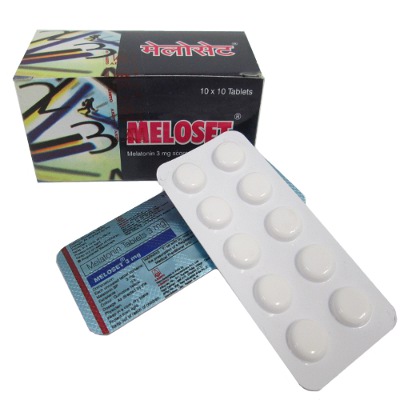
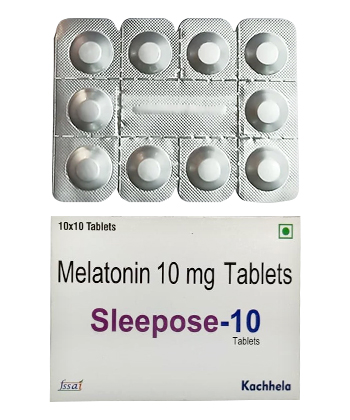
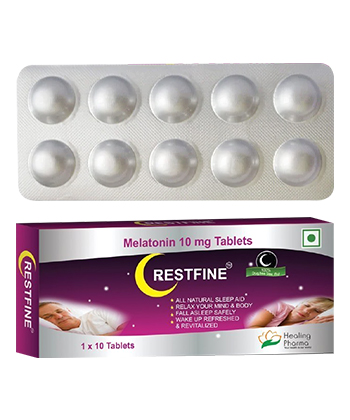
Magnesium supplements support muscle relaxation and nervous system function, making them particularly beneficial for those experiencing physical tension that interferes with sleep. In the UK, melatonin is available as a prescription-only medicine for individuals over 55, though low-dose formulations may be found in some health food stores.
Combination products featuring passionflower and lemon balm offer synergistic effects, working together to calm an overactive mind whilst preparing the body for restorative sleep. These natural alternatives typically present fewer side effects and reduced risk of dependency compared to synthetic sleep medications.
Creating the ideal sleep environment requires careful attention to various environmental factors that can significantly impact your ability to achieve restful, uninterrupted sleep. Modern sleep accessories address common barriers to quality rest through innovative design and practical solutions.
Eye masks and blackout solutions effectively eliminate disruptive light sources, whilst earplugs and white noise machines create a consistent auditory environment that masks sudden noises. These tools are particularly valuable for shift workers or those living in urban areas with high levels of ambient light and sound pollution.
These accessories work collectively to address the multiple factors that influence sleep quality, from maintaining optimal room temperature to reducing exposure to sleep-disrupting blue light from electronic devices. By combining several of these elements, you can transform your bedroom into a sanctuary specifically designed to promote natural, restorative sleep.
Always follow the dosage instructions on the packaging or as advised by your pharmacist. For adults, most over-the-counter sleeping aids should be taken 30-60 minutes before bedtime. Children under 16 should only use sleeping aids under medical supervision, as their sleep patterns and metabolism differ significantly from adults. Elderly individuals may require reduced dosages due to slower medication processing and increased sensitivity to side effects.
Sleeping aids can interact dangerously with alcohol, antidepressants, blood pressure medications, and antihistamines. Never combine sleeping aids with alcohol, as this significantly increases the risk of respiratory depression. Pregnant and breastfeeding women should avoid most sleeping aids unless specifically recommended by their GP, as many ingredients can cross the placental barrier or enter breast milk.
Common side effects include drowsiness, dizziness, and morning grogginess. Stop using sleeping aids if you experience severe headaches, confusion, or allergic reactions. To prevent dependency, limit use to 7-14 days maximum. Never drive or operate machinery for at least 8 hours after taking any sleeping aid, as reaction times and judgement can remain impaired even if you feel alert.
Cognitive Behavioural Therapy for Insomnia (CBT-I) is highly effective and available through NHS mental health services. Consider these lifestyle modifications to improve sleep naturally:
Contact your GP if sleep problems persist beyond 4 weeks, if you experience loud snoring with breathing interruptions, or if daytime fatigue significantly impacts your daily activities. NHS sleep clinics are available for complex sleep disorders, and your GP can refer you for specialist assessment. Prescription sleeping medications may be considered for severe, short-term insomnia, but these require careful medical supervision due to stronger dependency risks and side effects.