When you smoke, nicotine rapidly reaches your brain within seconds, triggering the release of dopamine and creating a temporary feeling of pleasure and relaxation. This process quickly leads to both physical and psychological dependence, making quitting smoking particularly challenging. Your body becomes accustomed to regular nicotine doses, and your brain associates smoking with daily activities, emotions, and social situations.
Physical addiction occurs as your body develops tolerance to nicotine, requiring increasing amounts to achieve the same effects. Psychological addiction develops through habitual behaviours and emotional connections to smoking. When you attempt to quit, your body and mind react to the absence of nicotine, creating withdrawal symptoms that can feel overwhelming.
Common withdrawal symptoms include intense cravings, irritability, anxiety, difficulty concentrating, restlessness, increased appetite, and sleep disturbances. These symptoms typically peak within the first 72 hours and can last several weeks, though the intensity gradually decreases over time.
The benefits of quitting smoking extend far beyond improved health. Within 20 minutes, your heart rate and blood pressure drop. Within 12 hours, carbon monoxide levels normalise. Long-term benefits include reduced risk of heart disease, stroke, and various cancers. Financially, the average smoker in the UK spends over £3,000 annually on cigarettes.
Stop smoking aids work by providing controlled nicotine doses or addressing withdrawal symptoms, helping you manage cravings whilst gradually reducing your dependence. These products significantly increase your chances of successfully quitting when combined with determination and support.
Nicotine Replacement Therapy provides your body with controlled amounts of nicotine without the harmful chemicals found in cigarettes. NRT helps reduce withdrawal symptoms and cravings by maintaining nicotine levels in your bloodstream, allowing you to focus on breaking the psychological habits associated with smoking whilst gradually reducing your physical dependence.
Nicotine patches deliver steady nicotine levels through your skin over 16 or 24 hours. Available in various strengths (typically 7mg, 14mg, and 21mg), patches are ideal for heavy smokers who need consistent nicotine replacement. Apply to clean, dry skin and rotate application sites daily.
Nicotine gum provides rapid craving relief when chewed correctly using the "chew and park" technique. Available in 2mg and 4mg strengths with various flavours including mint and fruit. Chew slowly until you taste nicotine, then park between your cheek and gum.
Nicotine lozenges dissolve slowly in your mouth, releasing nicotine through oral tissues. Available in 1mg, 2mg, and 4mg strengths, they're convenient and discreet for managing sudden cravings.
Nicotine nasal spray offers the fastest nicotine delivery, ideal for severe cravings. Available on prescription, it's typically recommended for heavy smokers under medical supervision.
Prescription stop smoking medications are typically recommended when over-the-counter nicotine replacement therapies haven't been successful, or for heavy smokers who require additional support. These medicines work differently from NRT products and can be highly effective when used as part of a comprehensive quit plan.
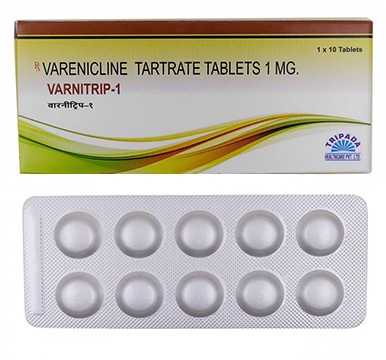
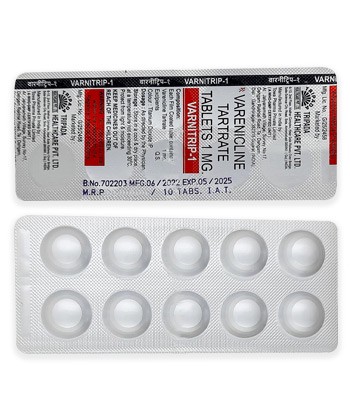
Champix works by blocking nicotine receptors in the brain, reducing both cravings and the pleasurable effects of smoking. The standard course begins one to two weeks before your quit date, starting with 0.5mg once daily for three days, then 0.5mg twice daily for four days, followed by 1mg twice daily for the remainder of the 12-week treatment. Common side effects include nausea, vivid dreams, and mood changes.
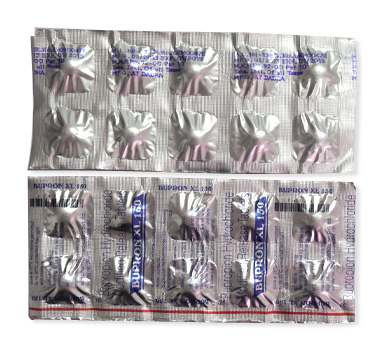
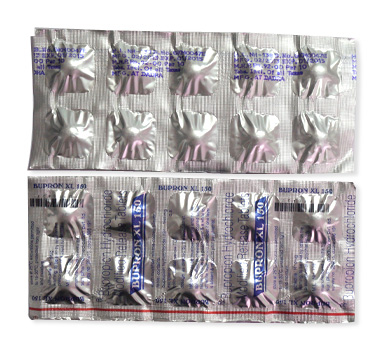
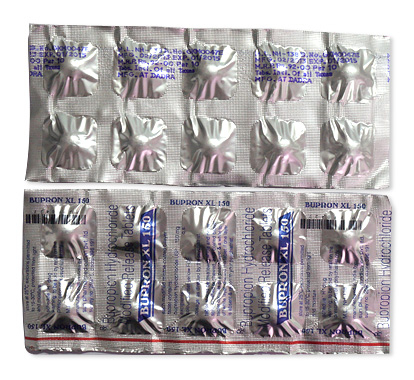
Originally developed as an antidepressant, Zyban helps reduce nicotine withdrawal symptoms and cravings. The typical course lasts 7-9 weeks, starting at 150mg daily for six days, then increasing to 150mg twice daily. Treatment begins 1-2 weeks before your chosen quit date.
These medications can only be prescribed by qualified healthcare professionals, including GPs, practice nurses, and specialist stop smoking advisers. NHS stop smoking services provide comprehensive support including prescription medicines, often at reduced cost or free of charge. Both medications can be combined with behavioural support for optimal results, and regular monitoring is essential to assess progress and manage any side effects or contraindications.
Combining stop smoking products with behavioural support significantly increases your chances of successfully quitting. Research shows that people who use both pharmacological aids and professional support are up to four times more likely to quit permanently than those who attempt to stop unaided.
NHS stop smoking clinics offer free, evidence-based support including one-to-one counselling, group sessions, and telephone support. These services provide personalised quit plans, prescription medications where appropriate, and ongoing monitoring throughout your quit journey.
Modern digital tools complement traditional support methods effectively:
Identifying your personal smoking triggers—such as stress, social situations, or daily routines—is crucial for developing effective coping strategies. Many people benefit from combining different NRT products, such as using patches for baseline nicotine levels alongside gum or lozenges for breakthrough cravings.
Setting a specific quit date allows proper preparation, including removing smoking paraphernalia, informing supportive family and friends, and ensuring you have adequate supplies of chosen quit aids. Healthcare professionals can help tailor combination approaches to your individual smoking patterns and lifestyle requirements.
E-cigarettes have gained recognition as an effective smoking cessation aid in the UK. The NHS acknowledges that vaping is significantly less harmful than smoking traditional cigarettes and can help smokers transition away from tobacco. E-cigarettes deliver nicotine without the harmful tar and carbon monoxide found in cigarettes, making them a valuable tool for managing withdrawal symptoms whilst breaking the smoking habit.
In the UK, e-cigarettes are regulated by the Medicines and Healthcare products Regulatory Agency (MHRA). All e-cigarette products must comply with strict safety and quality standards, including limits on nicotine strength and tank capacity. This regulation ensures that products available in UK pharmacies and shops meet high safety standards for consumers seeking smoking cessation support.
Beyond traditional pharmacotherapy, several complementary methods show promise for smoking cessation:
Success rates vary considerably between methods, with prescription medications and behavioural support typically showing the highest effectiveness. The best approach depends on your personal preferences, lifestyle, and previous quit attempts.
Relapses are common and shouldn't be viewed as failure. Most successful quitters make several attempts before achieving long-term success. If you slip up, identify your triggers, learn from the experience, and restart your quit journey immediately. Consider adjusting your approach or seeking additional support from your pharmacist or GP.
Weight gain affects many people when quitting smoking, typically 2-5kg in the first year. Combat this by:
Celebrate milestones such as 24 hours, one week, one month, and one year smoke-free. Track your progress using smartphone apps or journals, noting health improvements like better breathing and taste. Calculate your cost savings to maintain motivation - the average smoker saves over £3,000 annually by quitting.
Replace smoking routines with positive alternatives. If you smoked with morning coffee, try taking a walk instead. Seek additional help if you're struggling after several weeks, as your pharmacist can recommend alternative treatments or refer you to specialist services.