Urinary tract infections are among the most common bacterial infections, particularly affecting women. These infections occur when bacteria enter the urinary system through the urethra and multiply in the bladder or other parts of the urinary tract. Understanding the symptoms and seeking appropriate treatment is crucial for preventing complications and ensuring quick recovery.
UTI symptoms can vary depending on the severity and location of the infection. The most recognisable signs include a burning sensation during urination, which often serves as the first indicator of infection. Patients frequently experience an increased urge to urinate, even when the bladder contains little urine. The urine itself may appear cloudy, dark, or have a strong, unpleasant odour. Some individuals may notice blood in their urine, giving it a pink or red tinge.
UTIs are classified based on their location within the urinary system. Cystitis affects the bladder and is the most common form, causing pelvic discomfort and frequent, painful urination. Urethritis involves inflammation of the urethra, typically causing burning during urination and discharge. Kidney infections, or pyelonephritis, are more serious and may cause fever, back pain, nausea, and vomiting alongside typical UTI symptoms.
Most UTIs result from bacterial infections, with E. coli being the most common culprit. Several factors can increase susceptibility to these infections:
The NHS provides several effective antibiotic options for treating UTIs. Trimethoprim tablets (200mg) are commonly prescribed as a first-line treatment, typically taken twice daily for three days. Nitrofurantoin capsules, available in 50mg and 100mg strengths, are particularly effective for lower urinary tract infections and are often prescribed for longer courses.
Fosfomycin sachets offer the convenience of a single 3g dose treatment, making them ideal for simple cystitis cases. Cefalexin capsules, available in 250mg and 500mg strengths, provide an alternative option, especially for patients who cannot tolerate other antibiotics or have recurrent infections.
Preventing UTIs involves adopting healthy habits and making conscious lifestyle choices. Maintaining proper hydration by drinking plenty of water helps flush bacteria from the urinary system. Practising good hygiene, including wiping from front to back and urinating after sexual activity, significantly reduces infection risk. Wearing breathable cotton underwear and avoiding tight-fitting clothing helps maintain a healthy environment.
Whilst many UTIs respond well to treatment, certain circumstances require immediate medical attention. Contact your GP or seek emergency care if you experience fever, severe back pain, persistent vomiting, or symptoms that worsen despite treatment. Recurrent infections, defined as three or more episodes within a year, warrant investigation for underlying causes.
Paracetamol and ibuprofen can provide significant relief from UTI-associated pain and discomfort. These medications help reduce inflammation and alleviate the burning sensation during urination. Always follow dosage instructions and consult with a pharmacist if you're taking other medications.
Cystitis, inflammation of the bladder, represents one of the most prevalent urinary tract conditions, particularly affecting women of childbearing age. Understanding the different types of cystitis and available treatment options enables better management and faster recovery.
Acute cystitis typically develops suddenly and causes intense symptoms that resolve quickly with appropriate treatment. Most cases result from bacterial infection and respond well to short-course antibiotic therapy. Recurrent cystitis, however, involves repeated episodes that may indicate underlying factors requiring investigation and modified treatment approaches.
Bacterial cystitis, caused by pathogenic bacteria, is the most common form and responds to antibiotic treatment. Interstitial cystitis, also known as painful bladder syndrome, involves chronic inflammation without bacterial infection. This condition requires different management strategies, focusing on symptom control and lifestyle modifications rather than antimicrobial therapy.
Cystitis symptoms often include pelvic pain and pressure, particularly in the lower abdomen and around the pubic area. Blood in the urine, ranging from microscopic amounts to visible red discolouration, commonly occurs. Urgency, the sudden compelling need to urinate, often accompanies frequency, where patients feel the need to urinate more often than usual, sometimes passing only small amounts.
Potassium citrate sachets help alkalise urine, reducing the acidic environment that can worsen cystitis symptoms. These preparations provide relief by making urination less painful and creating conditions less favourable for bacterial growth. The sachets are dissolved in water and typically taken three times daily during acute episodes.
Cranberry supplements have gained popularity for both treatment and prevention of cystitis. Research suggests cranberries contain compounds that may prevent bacteria from adhering to the bladder wall, though evidence remains mixed. These supplements are available as tablets, capsules, and concentrated juices.
Sodium citrate preparations offer another alkalising option, helping to neutralise acidic urine and reduce discomfort. These treatments work similarly to potassium citrate but may be better tolerated by some patients. D-mannose supplements represent a newer approach, with some studies suggesting this simple sugar may help prevent bacterial adhesion to urinary tract surfaces.
Many individuals with urinary tract conditions find relief through natural remedies and complementary therapies alongside conventional treatments. Cranberry supplements and D-mannose have shown promise in preventing recurrent UTIs by preventing harmful bacteria from adhering to the urinary tract walls. Probiotics can help maintain a healthy bacterial balance, particularly important after antibiotic treatment.
Herbal remedies such as uva-ursi, buchu, and corn silk have traditionally been used to support urinary tract health, though it's essential to consult with a healthcare professional before combining these with prescribed medications. Some people find benefit from acupuncture for overactive bladder symptoms, whilst others prefer aromatherapy or relaxation techniques to manage the stress often associated with urinary conditions.
Proper dietary management plays a crucial role in maintaining urinary tract health. Certain foods and beverages can irritate the bladder and worsen symptoms, whilst others may provide protective benefits. It's generally recommended to maintain adequate hydration by drinking 6-8 glasses of water daily, unless advised otherwise by your healthcare provider.
Increasing your intake of water-rich foods like cucumber, watermelon, and leafy greens can help maintain hydration whilst providing essential nutrients. Some individuals find that alkalising foods such as bananas and vegetables help reduce bladder irritation.
Bladder training is an effective behavioural therapy that helps improve bladder control by gradually increasing the time between toilet visits. This technique is particularly beneficial for those experiencing urge incontinence or overactive bladder symptoms. The process typically involves keeping a bladder diary to identify patterns and gradually extending the intervals between urination.
Start by identifying your current voiding pattern and then systematically delay urination by 15-30 minutes initially, gradually increasing this time over several weeks. Distraction techniques such as deep breathing, counting backwards, or engaging in light activities can help manage the urge to urinate immediately. Most people see improvement within 6-12 weeks of consistent bladder training.
The decline in oestrogen levels during and after menopause significantly affects urinary tract health. Reduced oestrogen can lead to thinning of the urethral and vaginal tissues, decreased bladder capacity, and weakened pelvic floor muscles. This often results in increased susceptibility to UTIs, urge incontinence, and stress incontinence.
Topical oestrogen therapy, available as creams, pessaries, or vaginal rings, can help restore tissue health and reduce urinary symptoms in post-menopausal women. Many women also benefit from increased pelvic floor exercises and may require different management strategies compared to pre-menopausal individuals. Regular monitoring and tailored treatment approaches are essential during this life stage.
Whilst many urinary tract conditions can be managed with over-the-counter treatments and lifestyle modifications, certain symptoms require urgent medical attention. Recognising these warning signs is crucial for preventing serious complications such as kidney infections or sepsis.
If you're experiencing any of these symptoms, contact your GP immediately, visit an urgent care centre, or call 999 for emergency assistance. Prompt treatment can prevent serious complications and ensure the best possible outcome.
Overactive bladder (OAB) affects millions of people across the UK and can significantly impact quality of life. This condition is characterised by a sudden, intense urge to urinate that's difficult to control, often resulting in involuntary leakage. Understanding the different types of incontinence and available treatments can help individuals regain confidence and improve their daily functioning.
Stress incontinence occurs when physical activity or pressure on the bladder causes leakage. This might happen during coughing, sneezing, laughing, or exercise. It's commonly caused by weakened pelvic floor muscles, often following childbirth or with ageing.
Urge incontinence involves a sudden, intense need to urinate followed by involuntary leakage. This type is associated with overactive bladder syndrome and can be triggered by hearing running water, touching water, or even thinking about urination.
Mixed incontinence combines symptoms of both stress and urge incontinence, making it more complex to treat but still very manageable with the right approach.
Overflow incontinence occurs when the bladder doesn't empty completely, leading to frequent dribbling or constant leakage. This type is more common in men with prostate problems but can affect anyone with nerve damage or bladder obstruction.
Several effective prescription medications are available through the NHS for managing overactive bladder and incontinence symptoms. These medications work by relaxing the bladder muscle or affecting the nerve signals that control bladder function.
Tolterodine tablets are available in 2mg and 4mg strengths and are often prescribed as a first-line treatment. They help reduce bladder contractions and increase bladder capacity, typically taken twice daily.
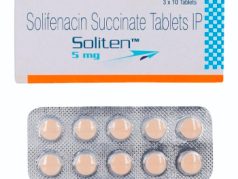
Solifenacin tablets come in 5mg and 10mg formulations and are taken once daily. Many patients find this convenient dosing schedule easier to maintain, and it's particularly effective for reducing urgency and frequency.
Oxybutynin is available as both tablets and skin patches. The patch formulation can reduce side effects such as dry mouth and constipation whilst providing consistent medication levels throughout the day.
Mirabegron tablets, available in 25mg and 50mg strengths, work differently from other bladder medications by helping the bladder muscle relax and hold more urine. This medication often has fewer anticholinergic side effects.
Behavioural therapies form the cornerstone of overactive bladder management and are often recommended before or alongside medication. Bladder retraining involves gradually increasing the time between toilet visits to improve bladder capacity and reduce urgency. Most programmes start with small increments of 15-30 minutes and progress over 6-12 weeks.
Scheduled toilet trips, also known as timed voiding, can help establish regular patterns and prevent accidents. Keeping a bladder diary helps identify triggers and monitor progress throughout treatment.
Strengthening the pelvic floor muscles is essential for managing all types of incontinence. These muscles support the bladder, uterus, and bowel, and when strengthened, can significantly improve symptoms. Proper technique is crucial, and many people benefit from guidance from a specialist physiotherapist.
Pelvic floor exercises, commonly known as Kegel exercises, should be performed regularly throughout the day. The NHS recommends starting with short contractions and gradually building up strength and endurance. Biofeedback devices and apps can help ensure proper technique and track progress.
Modern absorbent products offer discreet, effective protection whilst individuals work on treating their underlying condition. Products range from light panty liners for minimal leakage to highly absorbent pants for more significant incontinence.
Many of these products are available through NHS prescription for those who qualify, making management both practical and affordable. Waterproof mattress protectors and portable changing supplies can provide additional confidence when away from home.
Kidney stones are hard deposits that form in the kidneys when minerals and salts crystallise in concentrated urine. Understanding the different types and risk factors can help with prevention and management of this painful condition.
The most common types of kidney stones include calcium oxalate stones, which form when calcium combines with oxalate in the urine. Uric acid stones develop when urine becomes too acidic, whilst struvite stones typically form following urinary tract infections caused by certain bacteria.
Several factors increase kidney stone risk, including dehydration, high-sodium diets, excessive animal protein consumption, and certain medical conditions. Symptoms often include severe pain in the back or side, nausea and vomiting, blood in urine, and frequent urination with burning sensations.
Treatment options available in the UK include potassium citrate for stone prevention, which helps alkalinise urine and reduce stone formation. Pain management medications provide relief during stone episodes, whilst tamsulosin can help facilitate stone passage by relaxing ureter muscles.
Prostate health significantly impacts urinary function in men, particularly as they age. Benign prostatic hyperplasia (BPH) is a common condition where the prostate gland enlarges, potentially causing bothersome urinary symptoms.
As men age, the prostate naturally enlarges, which can compress the urethra and affect urine flow. This may result in lower urinary tract symptoms including difficulty starting urination, weak stream, frequent urination, and feeling of incomplete bladder emptying.
Several effective medications are available on NHS prescription for managing prostate-related urinary symptoms. Tamsulosin capsules (400mcg) help relax prostate and bladder neck muscles, improving urine flow. Finasteride tablets (5mg) can shrink the prostate over time, whilst alpha-blockers like doxazosin (2mg, 4mg) and alfuzosin (2.5mg, 10mg) provide symptom relief.
Regular exercise, maintaining a healthy weight, and limiting caffeine and alcohol can support prostate health. Men experiencing persistent urinary symptoms, blood in urine, or significant quality of life impact should seek specialist urological evaluation for comprehensive assessment and treatment planning.
Maintaining optimal urinary tract health requires consistent daily habits and awareness of normal versus concerning changes. Preventive care is often more effective than treating problems after they develop.
Proper hydration forms the foundation of urinary health, with most adults requiring 6-8 glasses of fluid daily. Good hygiene practices, including wiping front to back and urinating after sexual activity, help prevent bacterial infections.
Several natural supplements may support urinary tract health. Cranberry products contain compounds that may prevent bacterial adhesion to urinary tract walls. D-mannose, a natural sugar, shows promise for UTI prevention, whilst specific probiotic strains can help maintain healthy urogenital flora.
Regular monitoring includes noting changes in urination frequency, colour, or sensation. Concerning symptoms such as blood in urine, persistent burning, fever with urinary symptoms, or significant changes in urinary patterns warrant prompt medical evaluation for proper diagnosis and treatment.