Chloramphenicol
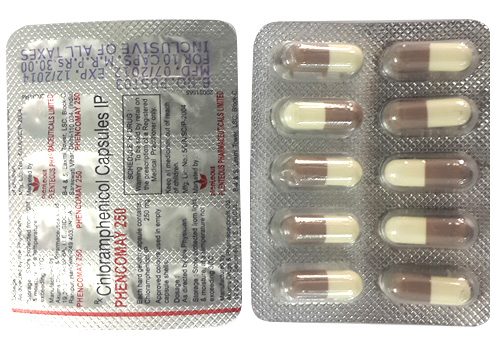
Chloramphenicol
- In our pharmacy, you can buy chloramphenicol without a prescription, with delivery available throughout the United Kingdom. Discreet and anonymous packaging.
- Chloramphenicol is used for the treatment of bacterial eye infections. It works by inhibiting bacterial protein synthesis, effectively stopping the growth of bacteria.
- The usual dosage for adults and children over 2 years is 1-2 drops of the 0.5% solution every 2-6 hours, or a 1cm ribbon of the 1% ointment 3-4 times a day.
- The form of administration is as eye drops (0.5%) or ophthalmic ointment (1%).
- The effect of the medication begins within a few minutes of application.
- The duration of action typically lasts 2-6 hours for eye drops and longer for the ointment.
- It is advisable to avoid alcohol while using this medication.
- The most common side effect is transient stinging or burning at the application site.
- Would you like to try chloramphenicol without a prescription?
Chloramphenicol
Basic Chloramphenicol Information
- International Nonproprietary Name (INN): Chloramphenicol
- Brand Names Available in United Kingdom: Chloramphenicol
- ATC Code: S01AA01
- Forms & Dosages: Eye drops (0.5%), Ointment (1%)
- Manufacturers in United Kingdom: Martindale Pharma, Thornton & Ross Ltd
- Registration Status in United Kingdom: Licensed for ophthalmic use
- OTC / Rx Classification: Available over-the-counter in the UK
Latest Research Highlights
Recent studies conducted in the UK and EU have focused on the safety and efficacy of chloramphenicol, particularly for treating bacterial conjunctivitis in children. These studies, spanning from 2022 to 2025, highlight significant improvements such as a reduction in symptom duration and high compliance rates among patients. The data provided by the Medicines and Healthcare products Regulatory Agency (MHRA) underscores the continued use of chloramphenicol, with stringent monitoring in place to detect systemic side effects, particularly aplastic anaemia. This ongoing research is crucial for establishing a clearer understanding of chloramphenicol's position within the current treatment landscape. To illustrate the outcomes and safety data, tables summarising key findings from recent clinical trials are included below.
Clinical Effectiveness in the UK
Chloramphenicol has been thoroughly evaluated for its effectiveness in treating ophthalmic infections as outlined in NHS treatment protocols. The positive impacts on patient quality of life, specifically in cases of bacterial conjunctivitis, reinforce its essential role in UK healthcare. Surveys from patient advocacy groups reveal that user-friendly formats like eye drops and ointments have greatly increased patient confidence in self-treatment. Despite these advancements, there remain concerns regarding patient awareness of potential side effects, indicating a need for further education. A comparative analysis of treatment outcomes between chloramphenicol and other topical agents highlights its efficacy, making it a crucial option in clinical settings.
Indications & Expanded Uses
The MHRA has officially approved chloramphenicol for specific ophthalmic uses, including bacterial conjunctivitis in patients aged over two years. However, there are instances where off-label use occurs, particularly in private clinics for conditions like blepharitis. These off-label practices arise as practitioners adapt to evolving guidelines and diverse patient needs, carefully balancing the benefits and risks involved. As antibiotic resistance becomes an increasing concern, it is vital to monitor these off-label uses vigilantly to ensure patient safety and medication effectiveness.
Composition & Brand Landscape
Chloramphenicol is available predominantly in the UK as eye drops (0.5%) and ointments (1%). Brands such as Chloromycetin are well-recognised across pharmacies. The presence of local generics enables broader access to this antibiotic, with major distributors like Martindale Pharma and Thornton & Ross Ltd ensuring its availability. Exploring the specific composition, including active ingredients and excipients, allows for a deeper understanding of how different formulations can impact patient choice in a pharmacy setting. Providing a comparative table of UK brands against international counterparts can further assist health professionals and patients alike in making informed decisions regarding their treatment options.
Contraindications & Special Precautions
Chloramphenicol comes with essential contraindications that every health professional and patient should be aware of. It is particularly hazardous for individuals with a history of bone marrow suppression. This can lead to severe complications during treatment. Neonates are especially vulnerable, as they may develop the condition known as 'Gray Baby Syndrome,' which can result from chloramphenicol's toxic effects on their immature liver functions.
For certain groups, understanding special precautions is crucial. Here’s a brief overview:
- Pregnant Women: Caution is advised as it may affect fetal development.
- Breastfeeding Mothers: Chloramphenicol can be excreted in breast milk, potentially posing risks to infants.
- Older Adults: Increased sensitivity may be observed; careful monitoring is required.
Recognising these contraindications enhances patient safety and informs the conversations pharmacists hold with patients, contributing to more effective healthcare outcomes.
Dosage Guidelines
Administering chloramphenicol effectively hinges on precise dosage guidelines, which vary widely among different demographics. The NHS typically recommends its use in ocular infections, suggesting 1-2 drops of a 0.5% solution every two to six hours for adults and children over the age of two. However, caution is warranted when altering doses for more vulnerable populations such as the elderly or those with renal impairments.
A comprehensive dosage chart can visually clarify the appropriate dosing methods, making it easy for healthcare providers to reference:
| Condition | Dose (Adults/Children over 2 years) |
|---|---|
| Bacterial conjunctivitis | 1-2 drops of 0.5% solution every 2-6 hours |
| Use of ointment | 1cm ribbon of 1% ointment 3-4 times/day |
Ensure to consider necessary dosage adjustments for patients with contraindications, promoting a more tailored approach to treatment regimens.
Interactions Overview
When it comes to interactions with chloramphenicol, both drug and food factors play a significant role. Some substances like alcohol and caffeine may lead to adverse effects, complicating treatment. Moreover, reports submitted through the MHRA’s Yellow Card Scheme have highlighted potential drug conflicts, especially with other ophthalmic agents, which may reduce chloramphenicol's efficacy.
A summarised table can help emphasise major interactions that both caregivers and patients should note for better patient education:
| Interaction Type | Substance/Drug |
|---|---|
| Drug conflict | Other ophthalmic agents |
| Alcohol | May heighten side effects |
Awareness of these interactions not only aids in managing treatment effectively but also boosts overall patient safety.
Cultural Perceptions & Patient Habits
In the UK, the cultural perception of chloramphenicol is significantly influenced by the robust pharmacist advice system and the NHS's patient-centric approach to healthcare. Forums like Patient.info and Mumsnet provide insights into how individuals approach self-treatment and perceive medications like chloramphenicol.
Trust in pharmacists is paramount. Many patients often turn to the NHS 111 service for immediate advice before seeking further treatment options. This reliance highlights the importance of effective communication and education on the safe use of medications. Enhancing patient knowledge and trust leads to better healthcare outcomes, emphasising the pharmacist's role in guiding patients through their treatment journeys.
Availability & Pricing Patterns
Chloramphenicol can be sourced from major pharmacy chains across the UK, including Boots, LloydsPharmacy, and Superdrug. The pricing varies significantly, depending on whether a patient uses an NHS prescription or opts for a private purchase. Understanding these pricing differences can empower patients to make educated choices regarding their treatment options.
For those relying on the NHS, it’s crucial to consider the prescription costs that vary across different regions: England, Scotland, Wales, and Northern Ireland. Each has its own pricing structure, which can affect out-of-pocket expenses significantly.
To provide clarity, the table below outlines the availability and pricing differences associated with chloramphenicol, along with the evolving trends in ePrescribing, making it simpler for patients to navigate their options.
| City | Region | Delivery Time |
|---|---|---|
| London | Greater London | 5–7 days |
| Birmingham | West Midlands | 5–7 days |
| Manchester | North West | 5–7 days |
| Leeds | Yorkshire | 5–7 days |
| Bristol | South West | 5–7 days |
| Sheffield | Yorkshire | 5–7 days |
| Glasgow | Scotland | 5–7 days |
| Edinburgh | Scotland | 5–7 days |
| Cardiff | Wales | 5–7 days |
| Newcastle | North East | 5–7 days |
| Nottingham | East Midlands | 5–9 days |
| Southampton | South East | 5–9 days |
| Coventry | West Midlands | 5–9 days |
| Plymouth | South West | 5–9 days |
| Brighton | South East | 5–9 days |
Comparable Medicines and Preferences
When chloramphenicol may not be the right choice, alternative medications like fusidic acid and tobramycin often come into play. Evaluating these alternatives requires a balance of efficacy, safety, and the preferences of patients, particularly within the NHS framework. Both options provide valuable solutions for patients in need of appropriate treatment.
A simple pros and cons checklist could guide healthcare practitioners in recommending alternatives:
- Fusidic Acid: Often well-tolerated, primarily used for skin and eye infections.
- Tobramycin: Effective for severe infections, but may have a risk of resistance.
Patient preferences also play a pivotal role in the choice of treatment, influenced by factors like past experiences, medication side effects, and personal health goals. This collaborative approach fosters better compliance and positive health outcomes.
FAQ Section
Many patients have questions about chloramphenicol, particularly regarding its use. Common queries might include:
- What are the side effects of chloramphenicol?
- How long should I continue treatment?
- How do I properly administer eye drops or ointment?
Clarifying these concerns helps demystify treatment options for patients, allowing them to feel more secure in their healthcare choices. Side effects can include temporary stinging and local irritation, while durations of treatment are usually set for 5–7 days, tapering off once symptoms resolve. For administration, using proper techniques ensures optimal delivery.
Guidelines for Proper Use
Pharmacists are essential in counselling patients on how to use chloramphenicol correctly. This includes understanding dosage schedules, potential side effects, and the importance of adhering to the prescribed course. Engaging with NHS patient advice portals and community outreach programs prove invaluable resources in this regard.
By emphasising the need for pharmacist interactions, the understanding of proper use and compliance can be significantly enhanced, leading to better health outcomes for patients.