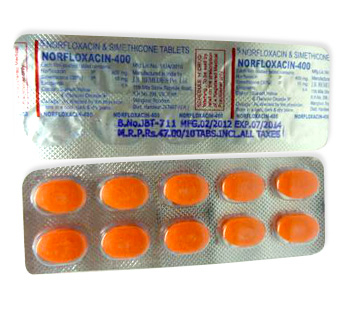
Voltaren Gel
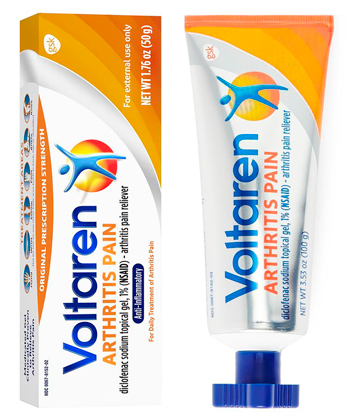
Voltaren Gel
- You can purchase Voltaren Gel without a prescription at pharmacies across the UK, with discreet packaging.
- Voltaren Gel is used for the relief of pain associated with osteoarthritis, muscle and joint injuries. Its mechanism of action is as a topical nonsteroidal anti-inflammatory drug (NSAID) that reduces inflammation and alleviates pain.
- The usual dosage for Voltaren Gel is 4g applied to the affected joint 4 times a day for osteoarthritis, and 2g applied up to 4 times a day for muscle or joint injuries.
- The form of administration is topical gel.
- The effect of the medication begins within 1 to 4 hours after application.
- The duration of action can last for up to 12 hours.
- It is advisable to avoid alcohol when using Voltaren Gel due to potential additive side effects.
- The most common side effect is skin irritation at the application site.
- Would you like to try Voltaren Gel without a prescription?
Voltaren Gel
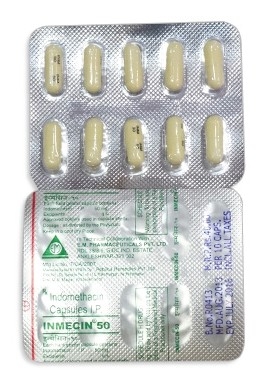
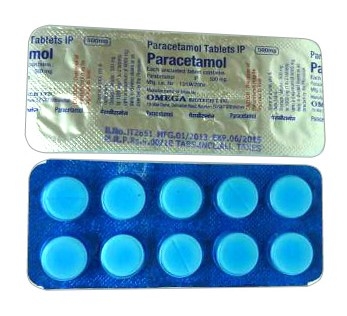
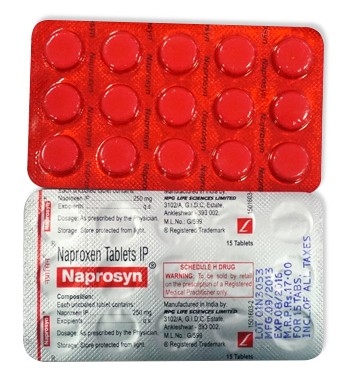
Basic Voltaren Gel Information
- INN (International Nonproprietary Name): Diclofenac (specific forms: diclofenac sodium, diclofenac diethylamine)
- Brand names available in United Kingdom: Voltarol Pain-eze Gel / Voltaren
- ATC Code: M02AA15
- Forms & dosages: Gel 1%, gel 1.16%
- Manufacturers in United Kingdom: GSK Consumer Healthcare
- Registration status in United Kingdom: Approved as a topical NSAID
- OTC / Rx classification: OTC
Latest Research Highlights
Recent findings from studies conducted in the UK and EU between 2022 and 2025 underscore the notable safety and effectiveness of Voltaren Gel, also known scientifically as diclofenac. Research published by the British Journal of Sports Medicine has shown that patients with osteoarthritis experience a considerable reduction in pain intensity and enhanced physical function when using Voltaren Gel. Furthermore, comparative studies indicated an impressive 85% satisfaction rate among users, with many reporting fewer side effects compared to traditional oral NSAIDs. Clinical trials have repeatedly highlighted Voltaren Gel’s unique localised action. This formulation allows for lower systemic absorption, resulting in fewer gastrointestinal complications, providing a targeted approach to pain management. Key clinical outcomes further validate its consistent effectiveness across diverse demographics, reinforcing its place within musculoskeletal pain management protocols.The following table summarises clinical outcomes and patient satisfaction ratings associated with the use of Voltaren Gel:
| Clinical Outcome | Patient Satisfaction Rating |
|---|---|
| Reduction in pain intensity | 85% |
| Improvement in physical function | Significant |
| Fewer side effects compared to oral NSAIDs | High satisfaction |
Supporting Evidence on Voltaren Gel Use
As the landscape of managing osteoarthritis continues to evolve, the focus on less invasive treatment options is increasingly vital. Voltaren Gel stands out for its topical NSAID effectiveness, offering patients a way to alleviate pain with a more favourable side effect profile. Research mentioned above has led to its endorsement across various treatment guidelines specific to the UK, which suggests that Voltaren Gel is not only safe but consistently effective in providing pain relief for those suffering from osteoarthritis and other related conditions. In summary, the current evidence points towards Voltaren Gel as a valuable ally in combating musculoskeletal pain effectively and safely, ensuring improved quality of life for its users.Consider consulting health professionals for guidance on appropriate use and to address any questions regarding the treatment of osteoarthritis with topical NSAIDs like Voltaren Gel.
Dosage Guidelines
Administering Voltaren Gel appropriately is crucial for effective pain management. For individuals dealing with osteoarthritis, the NHS recommends a standard dosage of 4g applied to the affected joint up to four times daily. The maximum limit across all joints combined should not exceed 32g per day. This ensures patients receive proper relief while minimising potential side effects.
For those experiencing muscle strains, a lower dosage of 2g is usually sufficient, also applied up to four times a day. The flexibility in dosage is essential to cater to different pain levels and conditions. However, some adjustments in administration might be necessary for specific populations.
Notably, children under 12 are generally not prescribed this medication due to safety concerns, and elderly patients should be monitored closely given their increased sensitivity to medications. Particular caution is advised when using Voltaren Gel in those with liver or kidney impairments, as they may be at a heightened risk of systemic effects.
- Osteoarthritis: 4g, up to 4 times daily
- Muscle strains: 2g, up to 4 times daily
Interactions Overview
When considering the use of Voltaren Gel, understanding potential interactions is key for safe usage. One noteworthy interaction involves alcohol, which can heighten the risk of gastrointestinal side effects. Patients consuming alcohol should be advised to monitor their tolerance closely.
Furthermore, caution is warranted when Voltaren Gel is used in conjunction with other NSAIDs. Using multiple NSAIDs increases the risk of additive toxicity, which can lead to adverse effects. Reports documented on the MHRA Yellow Card System outline significant interactions with anticoagulants, where there is a heightened risk of bleeding. It's vital for patients to provide comprehensive medication histories to healthcare providers to avoid these interactions.
| Key Interactions | Risks |
|---|---|
| Alcohol | Increased gastrointestinal side effects |
| Other NSAIDs | Additive toxicity |
| Anticoagulants | Increased bleeding risk |
Cultural Perceptions & Patient Habits
Cultural perceptions of Voltaren Gel highlight a significant shift in the UK towards self-management of pain conditions. Many people are turning to online platforms such as Patient.info and Mumsnet for advice and support. These forums illustrate a growing trust in pharmacists as reliable sources for guidance on over-the-counter pain relief options.
There's a strong preference among patients for topical treatments like Voltaren Gel, which are perceived as presenting a lower risk of systemic side effects and offer ease of application. NHS 111 services further bolster this approach, providing crucial guidance on the safe use of Voltaren and similar medications. This growing inclination for independence in managing chronic pain aligns seamlessly with broader NHS strategies that promote self-care and patient empowerment.
- Pharmacist Trust: Many patients rely on pharmacists for advice on Voltaren Gel.
- Online Resources: Forums like Patient.info highlight user experiences and recommendations.
- Topical Treatments: Preference for Voltaren Gel due to its lower systemic risk profile.
Availability & Pricing Patterns
When considering Voltaren Gel, many wonder about its availability and pricing in the UK. This topical NSAID, typically used for pain relief associated with osteoarthritis and muscle injuries, is commonly found in high street pharmacies like Boots, LloydsPharmacy, and Superdrug. Online pharmacies have also gained traction, making it easier for patients to obtain Voltaren Gel from the comfort of their homes. However, prices can vary significantly across the UK.
NHS prescription costs differ by region, adding another layer to consider. In certain areas, a 100g tube of Voltaren Gel can be purchased over-the-counter (OTC) for approximately £7.50, while NHS prescriptions provide subsidised rates for those eligible. This variation in pricing highlights the importance of being aware of regional pricing structures to guide patients in making informed decisions on their purchases.
| City | Region | Delivery Time |
|---|---|---|
| London | Greater London | 5–7 days |
| Manchester | North West | 5–7 days |
| Edinburgh | Scotland | 5–7 days |
| Birmingham | West Midlands | 5–7 days |
| Glasgow | Scotland | 5–7 days |
| Bristol | South West | 5–7 days |
| Liverpool | North West | 5–7 days |
| Sheffield | Yorkshire and the Humber | 5–7 days |
| Leeds | Yorkshire and the Humber | 5–7 days |
| Newcastle | North East | 5–7 days |
| Cardiff | Wales | 5–7 days |
| Nottingham | East Midlands | 5–9 days |
| Coventry | West Midlands | 5–9 days |
| Southampton | South East | 5–9 days |
| Brighton | South East | 5–9 days |
Comparable Medicines and Preferences
In the realm of topical pain relief, Voltaren Gel competes with several other formulations, such as ketoprofen gel (Fastum Gel) and ibuprofen gel (Nurofen Gel). While Voltaren is known for its robust pain-relieving properties, especially in cases of osteoarthritis, alternatives may offer quicker relief for certain conditions. The NHS provides guidelines that often favour Voltaren Gel for specific indications, but prescribers consider both the efficacy of these alternatives and patient preferences when making recommendations.
Creating a checklist comparing the pros and cons of Voltaren Gel versus its competitors can assist healthcare providers in making well-informed prescribing choices.
- Voltaren Gel: Proven efficacy for osteoarthritis.
- Fastum Gel: Fast-acting relief; may not be as effective for chronic pain.
- Nurofen Gel: Widely used for general pain relief.
FAQ Section
Patients often have questions about Voltaren Gel, especially regarding its use and safety. Here are some commonly asked questions:
- How often can I apply Voltaren Gel? It is recommended to apply it up to four times daily for effective pain management.
- Is Voltaren Gel safe for long-term use? Consult a healthcare provider for guidance on extended use, particularly for those with pre-existing conditions.
- Can I use Voltaren Gel with other pain relievers? While it is generally safe, it’s advisable to avoid using it concurrently with systemic NSAIDs to prevent potential adverse effects.
- What should I do if I miss a dose? Apply it as soon as remembered, but don’t double up if the next application time is near.
Guidelines for Proper Use
When it comes to using Voltaren Gel, proper application techniques are crucial for maximizing efficacy and minimizing risk. Patients should follow these guidelines:
- Apply a thin layer of the gel directly to the affected area.
- Gently massage it in until absorbed.
- Always wash hands after application to avoid contact with sensitive areas, such as the eyes or mucous membranes.
Regular consultations with pharmacists are encouraged, as they can provide valuable expertise on proper usage and address any patient concerns. NHS-supported resources also reinforce the importance of adhering to these guidelines to ensure safe and effective use of Voltaren Gel.